
PM Surya Ghar Yojana: Scheme Reaches 6 Million Households; Over 250,000 People Trained for Green Jobs
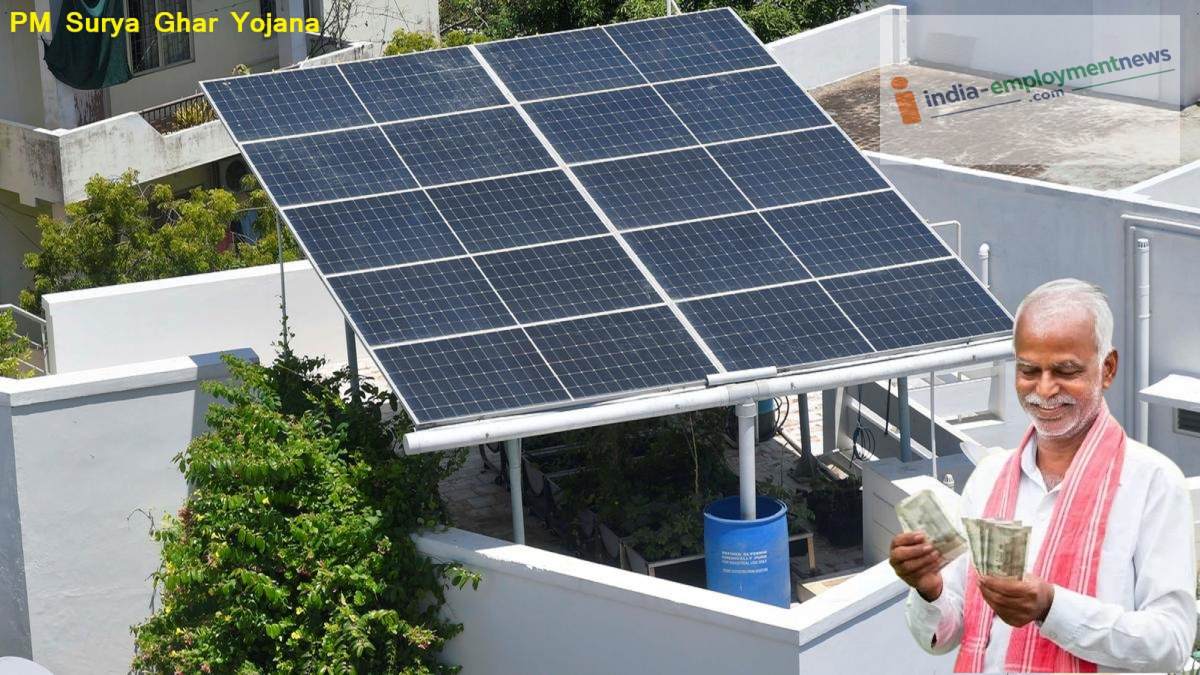
More than 6 million families have adopted rooftop solar power through the Surya Ghar Yojana. Over 2 million households have seen their electricity bills drop to zero. Here is a look at the benefits of this scheme.
PM Surya Ghar Yojana: The Pradhan Mantri Surya Ghar Muft Bijli Yojana (Free Electricity Scheme) has achieved a major milestone. So far, rooftop solar installations have reached over 6 million families under the scheme. This represents approximately 60% of the Central Government’s target to connect 10 million households to solar energy. Notably, the scheme reached this new milestone just two months after crossing the 5-million-family mark.
Timeframe Reduced from 118 Days to 6 Days
The rapid pace of the scheme is evident from the fact that it initially took 118 days to bring the first 100,000 families on board; now, an equal number of new families are joining the scheme in just six days. Thanks to digital processes and streamlined approvals, the installation of rooftop solar systems has become significantly faster than before.
Over 5 Million Rooftop Solar Systems Installed
The Central Government has allocated a total outlay of ₹75,021 crore for this scheme, which was launched on February 13, 2024. To date, 5,099,781 rooftop solar systems have been installed, adding approximately 17,855.3 MW of decentralized solar capacity to the grid.
The scope of solar energy in India has expanded steadily. The country’s solar energy capacity stood at around 3 GW in 2014 and has now surpassed 168 GW. The PM Surya Ghar Yojana is playing a pivotal role in promoting solar energy at the household level.
Training Provided to Over 250,000 People
The scheme is also creating increasing employment opportunities in the green energy sector. More than 2.5 lakh people have been trained through various institutions, including NISE, NPTI, and the Skill Council for Green Jobs. This includes approximately 1 lakh trained solar PV technicians.
Meanwhile, the vendor network under the scheme has expanded rapidly; over 37,000 local vendors are now registered across the country. The government expects the scheme to generate around 17 lakh direct and indirect employment opportunities in sectors such as manufacturing, supply chain, installation, and maintenance.
Subsidies worth ₹33,642 crore transferred directly to accounts
Subsidies have played a significant role in the rapid adoption of the scheme. The central government has so far transferred subsidies amounting to ₹33,642 crore directly into the bank accounts of beneficiaries. The payment process has also been expedited, with a provision to release the subsidy within 15 days of commissioning.
To simplify the process of installing rooftop solar systems, the Ministry of New and Renewable Energy has waived the mandatory technical feasibility check for systems up to 10 kW. The national portal has also been integrated with over 80 DISCOMs (distribution companies) across the country.
Loan facility for up to 10 years
To reduce upfront costs, loan facilities are being made available to households. Beneficiaries can avail themselves of collateral-free loans at a concessional interest rate of approximately 5.75% through the Jan Samarth portal. The repayment tenure for these loans extends up to 10 years.
The combination of subsidies, easy approvals, digital processes, and affordable loan facilities aims to make rooftop solar systems cost-effective for as many households as possible.
Electricity bills reduced to zero for 20.7 lakh households
The scheme is also impacting household electricity bills. So far, the monthly electricity bills of over 20.7 lakh households have dropped to zero. Under the net metering arrangement, these households can feed surplus solar power generated back into the local grid. Rooftop Solar Expands the Scope of Green Jobs
The impact of the PM Surya Ghar Yojana extends beyond the mere installation of solar panels on residential rooftops. The steadily rising demand is creating new opportunities for domestic solar manufacturing, local vendors, trained technicians, supply chains, and small businesses alike.
