
PM Surya Ghar Scheme: Install Solar Panels Before Monsoon and Enjoy Lower Power Bills for Years
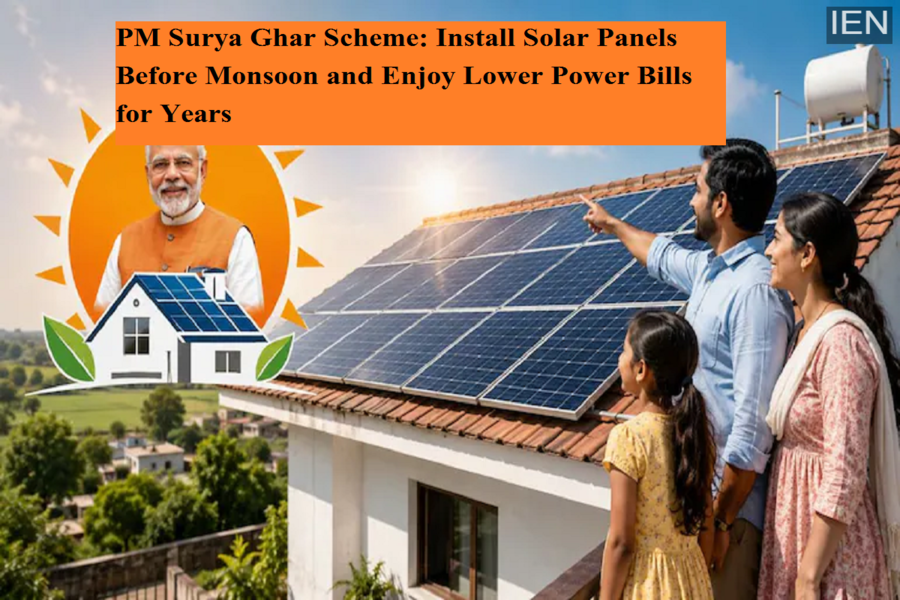
June Could Be the Best Time to Go Solar as Government Subsidies Continue Under PM Surya Ghar Yojana
With temperatures soaring across India and electricity consumption hitting seasonal highs, households are facing increasingly expensive power bills. Air conditioners, coolers, refrigerators, and other appliances are running for longer hours, putting additional pressure on monthly budgets.
For homeowners looking to reduce electricity costs over the long term, rooftop solar systems are emerging as an attractive solution. Through the PM Surya Ghar Muft Bijli Yojana, the government is offering substantial subsidies to encourage households to adopt solar energy.
Experts believe that June is one of the most favorable months to install solar panels, allowing homeowners to maximize power generation before the arrival of the monsoon season.
Why June Is Considered the Ideal Time for Solar Installation
Although rooftop solar systems can be installed throughout the year, industry professionals often recommend completing installation before the rainy season begins.
Here are some of the key reasons.
1. Maximum Sunlight Means Higher Power Generation
June typically brings some of the longest daylight hours and strongest sunlight conditions of the year in many parts of India.
As a result:
-
Solar panels can generate electricity at higher efficiency.
-
Households can begin reducing grid power consumption immediately.
-
Savings on electricity bills may start from the first month itself.
The stronger solar output during summer also allows homeowners to evaluate system performance under peak generation conditions.
2. Time to Test the System Before Monsoon
Installing solar panels before heavy rainfall arrives provides an opportunity to assess the system thoroughly.
Homeowners can verify:
-
Wiring quality
-
Inverter performance
-
Mounting structure stability
-
Electrical safety systems
Any technical issues identified during this period can be corrected before the onset of intense rain and adverse weather conditions.
3. Faster Processing of Net Metering Applications
Net metering allows homeowners to export surplus electricity generated by rooftop solar systems back to the grid.
Industry experts note that application volumes often increase during festive periods and later parts of the year, which can sometimes slow approval processes.
Applying during June may help some homeowners receive approvals and complete installation formalities more efficiently, depending on local utility procedures.
4. Immediate Relief From Summer Electricity Bills
Electricity consumption usually peaks during the summer months.
A rooftop solar system can help offset energy usage from:
-
Air conditioners
-
Coolers
-
Refrigerators
-
Water pumps
-
Other household appliances
This can significantly reduce dependence on grid electricity during the period when power consumption is typically at its highest.
Government Subsidy Available Under PM Surya Ghar Yojana
The PM Surya Ghar Muft Bijli Yojana aims to encourage rooftop solar adoption by providing financial assistance to eligible households.
Current subsidy levels include:
| Solar Capacity | Subsidy Amount |
|---|---|
| 1 kW System | Up to ₹30,000 |
| 2 kW System | Up to ₹60,000 |
| 3 kW and Above | Up to ₹78,000 |
These subsidies help lower the initial installation cost and improve the overall economics of rooftop solar projects.
Is a 3 kW System Enough for an Average Household?
For many residential users, a 3 kW rooftop solar system can meet a significant portion of daily electricity requirements.
Such systems are often capable of supporting common household appliances, including:
-
Fans
-
Lights
-
Refrigerators
-
Televisions
-
Washing machines
-
Air conditioners, depending on usage patterns
Actual performance varies based on location, rooftop conditions, and energy consumption habits.
How to Apply for the Scheme
Eligible households can apply through the official PM Surya Ghar portal.
The general process includes:
-
Register on the official scheme website.
-
Select your state and electricity distribution company.
-
Enter your consumer account details.
-
Apply for rooftop solar installation based on your electricity requirement.
-
Choose an approved vendor for installation.
-
Complete inspection and net metering formalities.
-
Receive eligible subsidy benefits after successful verification.
Using authorized vendors is important to ensure compliance with scheme guidelines and subsidy eligibility requirements.
A Long-Term Investment Rather Than an Expense
Unlike many household purchases, rooftop solar systems are often viewed as long-term assets.
Modern solar panels typically have operational lifespans extending over two decades, allowing homeowners to benefit from lower electricity costs for many years.
In addition to reducing monthly bills, solar adoption can also:
-
Lower dependence on conventional energy sources
-
Increase energy self-sufficiency
-
Support environmental sustainability
-
Provide predictable long-term savings
The Bottom Line
With strong sunlight conditions, ongoing government subsidies, and the monsoon season approaching, June presents an attractive window for homeowners considering rooftop solar installations.
The PM Surya Ghar Muft Bijli Yojana continues to offer substantial financial support, helping households reduce upfront costs while moving toward cleaner and more affordable energy. For many families, installing a solar system today could translate into years of lower electricity bills and greater energy independence in the future.
