
PM Modi's Appeal Signals Major Economic Measures! Will Fuel Prices and Gold Duty Rise Soon?
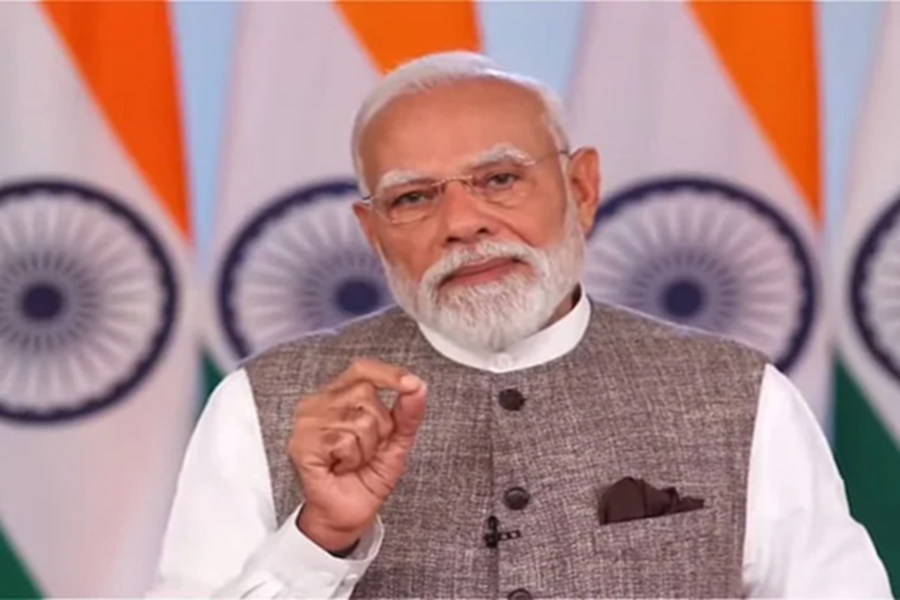
The impact of US-Iran tensions and rising uncertainty in West Asia is becoming evident across the global economy. For countries like India—which import a significant portion of their requirements—this situation could prove particularly challenging. In a speech delivered in Hyderabad, Prime Minister Narendra Modi appealed to the public to reduce fuel consumption, minimize the use of chemical fertilizers, refrain from purchasing gold for one year, and avoid non-essential foreign travel. Political and economic analysts believe that this appeal may serve as an indication of potential economic pressures looming in the near future. However, the government has not yet officially announced any new policy decisions in this regard.
**Apprehensions of a Hike in Petrol and Diesel Prices**
Continuous fluctuations in international crude oil prices are placing immense pressure on India's state-owned oil companies. Public sector undertakings such as Indian Oil, BPCL, and HPCL are currently keeping petrol and diesel prices stable; however, in doing so, they are incurring heavy financial losses. According to reports, these companies are facing monthly losses amounting to approximately ₹30,000 crore. This implies that the companies are selling fuel at prices lower than their actual cost of acquisition. The Prime Minister's appeal to conserve fuel is being viewed in the context of this very pressure. Many experts believe that if oil prices remain elevated in the global market, a hike in petrol and diesel prices could become inevitable in the coming times.
**Import Duty on Gold May Increase**
India ranks among the world's largest importers of gold. Every year, vast quantities of gold are imported from abroad, placing a strain on the country's foreign exchange reserves. Currently, the effective levy on gold imports—comprising various taxes and customs duties—stands at approximately 6 percent. However, following the Prime Minister's appeal to curb gold purchases, speculation has intensified that the government may raise the import duty on gold. The objective behind such a move would likely be to regulate the demand for gold and reduce the outflow of US dollars. Experts opine that a decline in gold imports could help narrow India's trade deficit and contribute to strengthening the Indian Rupee.
**Possible Restrictions on Foreign Travel and Dollar Spending**
The Prime Minister has appealed to the public to defer non-essential foreign travel. Following this appeal, discussions have now begun regarding potential changes to the Liberalised Remittance Scheme (LRS) regulations. Currently, under RBI norms, Indian citizens are permitted to remit up to $250,000 abroad within a single financial year. These funds are utilized for various purposes, such as overseas education, investment, travel, purchasing property, and providing financial assistance to relatives. Experts believe that if pressure on foreign exchange reserves intensifies, the government or the RBI may take stricter measures regarding this remittance limit. However, no official proposal to this effect has surfaced as of yet.
**Indications of Preparedness to Tackle Economic Pressures**
Many experts interpret the Prime Minister's appeal as a message of "economic prudence." India is currently grappling with a multitude of challenges, including high oil prices, global uncertainty, and import-related pressures. If citizens conserve fuel, promote domestic tourism, and curtail gold purchases, the economic burden on the government could be alleviated to some extent. Experts emphasize that even small individual savings can collectively generate a significant impact at the national level. The government's future economic measures will depend, to a large extent, on how global conditions evolve over the coming weeks.
Disclaimer: This content has been sourced and edited from Dainik Jagran. While we have made modifications for clarity and presentation, the original content belongs to its respective authors and website. We do not claim ownership of the content.
