
PM Modi's Appeal: No Gold for One Year! What Will Be the Impact on the Jewelry Industry?
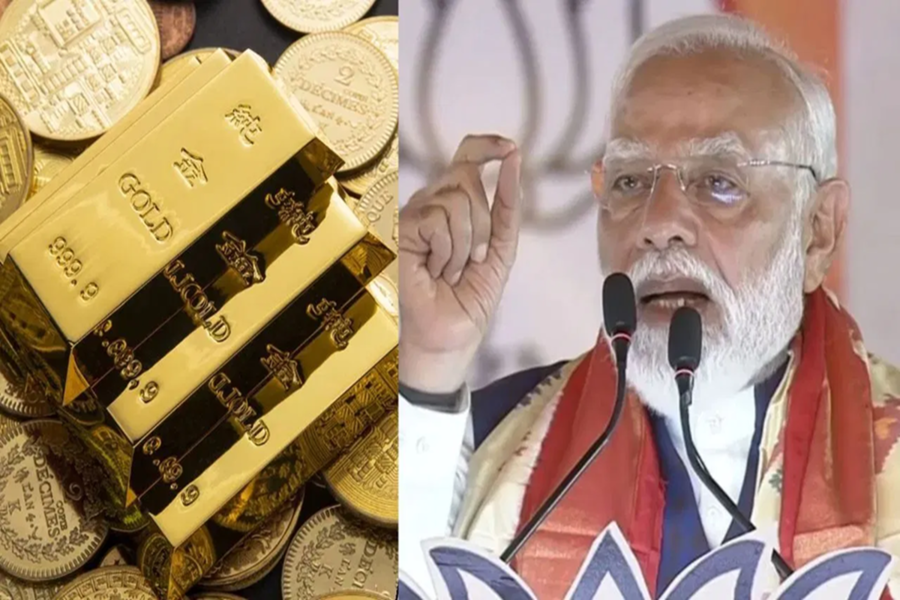
Amid rising tensions in West Asia and a surge in crude oil prices, Prime Minister Narendra Modi has appealed to the citizens to refrain from purchasing non-essential gold for a period of one year in an effort to conserve foreign exchange. The government believes that if gold imports decline, the pressure on India's Current Account Deficit (CAD) and foreign exchange reserves can be alleviated. However, this appeal could have a direct impact on the jewelry industry and the demand typically associated with the wedding season.
India ranks among the world's largest gold importers. The country procures the majority of its gold requirements from abroad, a process that entails significant dollar expenditure. At a time when crude oil prices are also on the rise, the government is keen to prevent a further escalation of its import bill. Consequently, PM Modi has advised the public to prioritize essential expenditures and exercise restraint regarding gold purchases.
**Impact on the Jewelry Market**
If the public takes the government's appeal seriously, the demand for gold jewelry during the wedding and festive seasons could witness a decline. This could manifest as a visible impact on the sales figures of bullion traders, jewelry retail chains, and small-scale goldsmiths. Given that gold prices have already reached record highs over the past few months, consumers are already exercising caution regarding their purchases.
**Impact on the Economy**
Conversely, from an economic perspective, a reduction in gold imports could yield benefits for the government. Such a reduction would result in dollar savings, help keep the Current Account Deficit under control, and provide a boost to the nation's foreign exchange reserves. Furthermore, the pressure exerted on the Rupee—stemming from the rising import bills for oil and gold—could also be somewhat alleviated. In his address, PM Modi issued a total of ten key appeals, placing particular emphasis on the importance of fiscal discipline. Consequently, changes in consumer and investment-related behaviors may be observed in the coming months.
Disclaimer: This content has been sourced and edited from TV9. While we have made modifications for clarity and presentation, the original content belongs to its respective authors and website. We do not claim ownership of the content.
