
Plastic notes of ₹10 and ₹20 to be introduced from April 1; RBI to print 1 billion of each
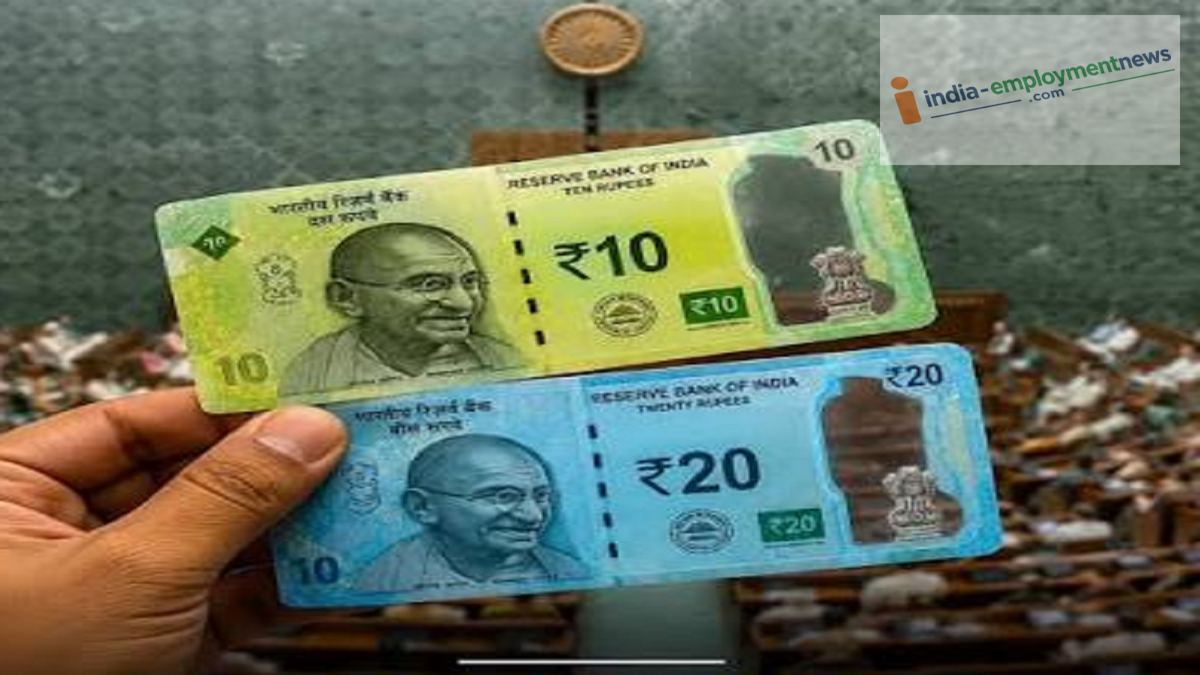
The Reserve Bank of India (RBI) may launch a pilot project for ₹10 and ₹20 polymer (plastic) notes starting April 1, 2027. The dimensions of these notes will remain the same as those of the existing currency. These polymer notes will circulate alongside the current paper-based notes.
The Reserve Bank of India (RBI) is preparing to initiate a pilot project (field trial) for new polymer (plastic) notes in the ₹10 and ₹20 denominations, effective April 1, 2027. There will be no change to their dimensions. According to a report by Moneycontrol, maintaining the existing size will benefit banks, as they will not incur additional costs to reconfigure their ATMs.
A senior official from a public sector bank, speaking to Moneycontrol, noted that keeping the dimensions unchanged will help banks avoid the initial expenses associated with ATM reconfiguration. Since this pilot project focuses on low-denomination notes, it will result in significant cost savings. It should be noted that this is merely a field trial; therefore, the new plastic notes will circulate alongside the existing paper currency, and the old paper notes will remain fully legal tender. Under this project, 1 billion (100 crore) polymer notes each of the ₹10 and ₹20 denominations will be released into the market for trial purposes.
Why introduce polymer notes?
Notes of ₹10 and ₹20 are the most frequently used denominations in the country. They change hands constantly—from vegetable markets and public transport (buses/autos) to small retail shops. Due to this high frequency of use, the current paper notes tend to tear, deteriorate, or become soiled very quickly. As a result, the RBI has to destroy crores of old banknotes and print new ones every year.
In August, Reserve Bank of India Governor Sanjay Malhotra spoke about the longevity of polymer currency notes. He noted that in some regions, polymer currency notes have lasted for more than 30 years. Such notes would prove highly beneficial, especially for lower-denomination currency that sees frequent circulation.
Since plastic or polymer notes are completely waterproof and soil-resistant, they do not tear easily. Their lifespan is 3–4 times longer than that of conventional banknotes; in contrast, a paper banknote typically lasts only 1 to 2 years. Because polymer notes are more durable, the RBI would not need to reprint currency as often, potentially saving billions of rupees in printing costs.
Claim regarding new ₹1,000 note is fake
Images and posts have circulated on social media platforms claiming that the Reserve Bank of India (RBI) has issued new ₹1,000 polymer notes. PIB Fact Check, an official agency of the Government of India, has debunked this claim. The RBI has clarified that there is currently no proposal to introduce polymer notes in higher denominations.
Always keep in mind that the RBI never announces the introduction of new currency or changes to monetary policy via social media. Instead, such information is communicated through its official website (rbi.org.in) or via formal press releases. Therefore, do not trust or share any such viral posts or messages.
