
Plastic Note: How will plastic notes differ from paper currency? Notes of ₹10 and ₹20 denominations will be introduced first..
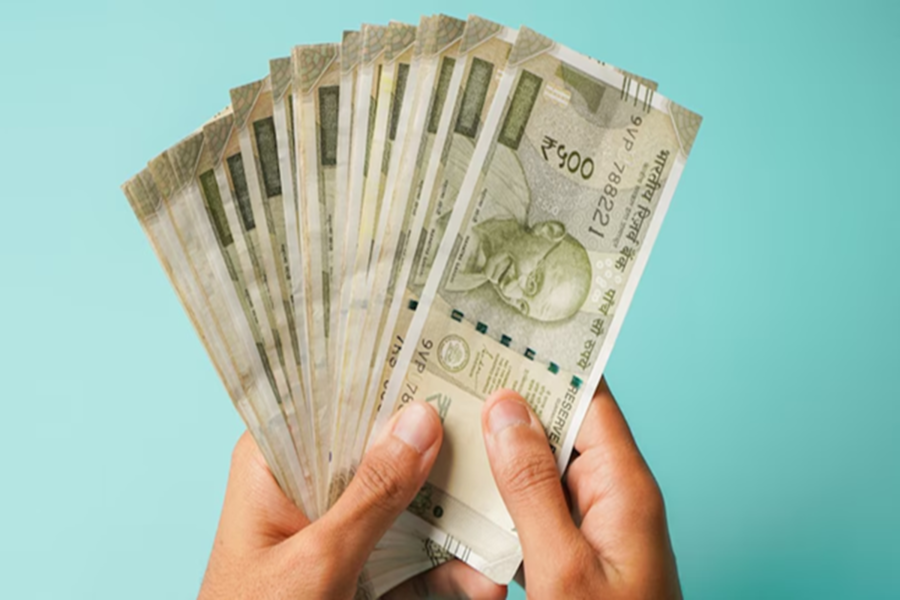
According to an NDTV report, the Reserve Bank is set to move forward with a plan it has been considering for decades: introducing polymer banknotes, which are more durable. Preparations are underway to launch a pilot project for these plastic notes, starting with the smaller ₹10 and ₹20 denominations. Trials have already been completed, and the results suggest that the RBI will fully implement this plan by 2027; the central bank has already issued a formal tender for the initiative.
The seriousness of the RBI's intent regarding plastic currency is evident from discussions held during its recent board meetings in Mumbai and Patna, where the introduction of polymer notes was deliberated at length. The cost of printing banknotes was also a key topic of discussion. However, the introduction of plastic notes will not result in the withdrawal of existing paper currency from circulation.
While current currency is made from cotton-blend paper, the new plastic notes will be manufactured using a thin, flexible material. Although made of plastic, they will not be rigid like credit or debit cards; instead, they can be easily folded and kept in a wallet. These polymer notes can be used just like paper currency.
According to a *Mint* report, polymer currency is currently in use in 60 countries—fully implemented in some and partially introduced in others. Australia was the first country to issue a $10 polymer note in 1988. Romania followed suit in 1998, becoming the first European nation to adopt it. Currently, plastic currency is also used in Canada, the UK, Singapore, Malaysia, Thailand, Indonesia, New Zealand, and Vietnam.
Printing existing paper currency is not only expensive but also results in a shorter lifespan for the notes. Plastic notes, in contrast, are resistant to tearing and do not get dirty easily. Simply put, plastic notes last longer than paper ones and remain cleaner. These notes will also feature enhanced security elements—such as transparent windows, micro-optic holograms, and specialized inks—making it impossible to counterfeit them.
The RBI has taken this step to reduce rising currency printing costs and extend the lifespan of the notes. According to *Business Standard*, ₹6,372.8 crore was spent on printing notes in the financial year ending March 2025, up from ₹5,101.4 crore the previous year; this increase in cost is driven by rising demand for cash. Additionally, the volume of damaged notes has risen by 12.3% compared to the previous year. In the 2025 financial year, 23.8 billion notes were withdrawn from circulation, compared to 21.24 billion the year before.
RBI data indicates that ₹500 notes account for the largest share of damaged notes withdrawn from circulation, followed by ₹100 notes. Despite the rise in online payments, cash usage has not declined. As of May 15, the total currency in circulation stood at ₹42.86 lakh crore. Currency circulation increased by ₹1.5 lakh crore in just the first six weeks of the current financial year.
Disclaimer: This content has been sourced and edited from News18 Hindi. While we have made modifications for clarity and presentation, the original content belongs to its respective authors and website. We do not claim ownership of the content.
