
Petrol Pump Fraud Alert: Don’t Rely Only on ‘0’ Meter—Check This Key Detail Before Refueling
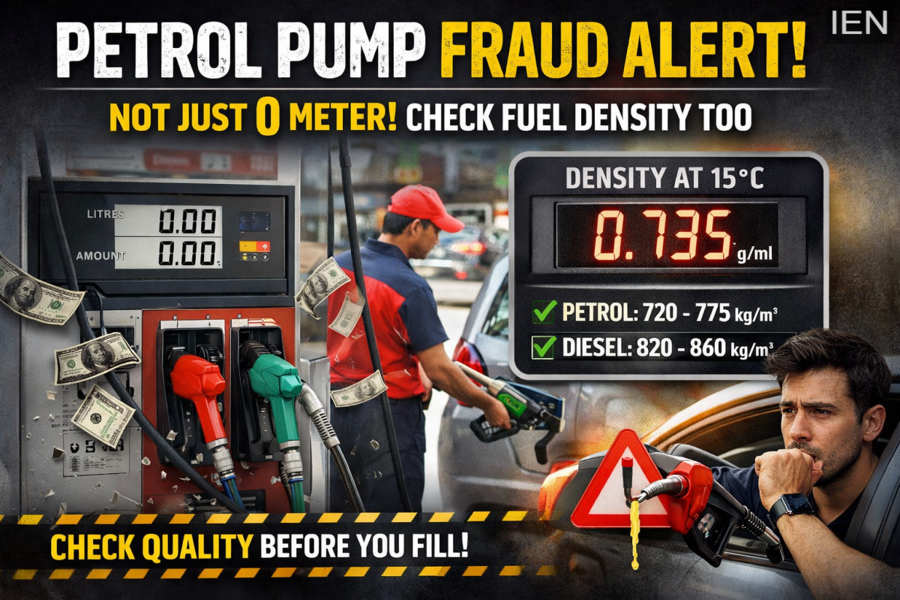
With rising concerns around fuel demand and supply, especially amid global uncertainties, long queues at petrol pumps have become common. In such situations, many people rush to refuel without paying attention to important checks—making them vulnerable to fraud.
While most customers ensure the meter starts at “0,” experts warn that this alone is not enough. There’s another crucial factor you must always verify to ensure fuel quality and avoid being cheated.
Why Just Checking ‘0’ on the Meter Isn’t Enough
At petrol pumps, customers often feel reassured once they see the meter reset to zero. However, fraud can still occur even after that.
Apart from quantity, fuel quality is equally important—and this is where many people miss out. Without checking quality indicators, you could end up paying full price for adulterated or substandard fuel.
What Is Fuel Density and Why It Matters
One of the most reliable ways to check fuel quality is through density.
Density refers to how heavy or light a substance is. In the case of petrol and diesel, it acts as a key indicator of purity.
- Correct density = Pure fuel
- Incorrect density = Possible adulteration
This value is displayed at petrol pumps, but most customers ignore it.
How Density Helps Detect Fuel Adulteration
If petrol or diesel is mixed with cheaper substances or chemicals, its density changes. Even a slight variation from the standard range can indicate tampering.
So, if you notice density outside the normal range, it’s a red flag and should not be ignored.
Government-Approved Density Standards
The government has set standard density ranges measured at 15°C temperature:
- Petrol: 720 to 775
- Diesel: 820 to 860
If the density falls within this range, the fuel is considered safe and pure. Any deviation may indicate contamination or poor quality.
Why Temperature Matters in Density Check
Density is affected by temperature, which is why it is always measured at a standard 15°C.
- Higher temperature → Lower density
- Lower temperature → Higher density
This is why petrol pumps follow standardized measurement conditions to ensure accuracy.
Impact of Poor Fuel on Your Vehicle
Using adulterated fuel can have serious consequences:
- Reduced mileage
- Increased smoke emission
- Engine knocking or poor performance
- Long-term engine damage
Over time, this can lead to costly repairs and reduced vehicle life.
Simple Tips to Avoid Petrol Pump Fraud
To stay safe while refueling, follow these steps:
1. Check the Meter
Ensure it starts from zero—but don’t stop there.
2. Verify Fuel Density
Ask the pump operator to show the density reading and compare it with standard values.
3. Avoid Rush Decisions
Don’t refuel in panic or hurry—take a moment to check properly.
4. Choose Trusted Pumps
Prefer well-known or authorized fuel stations.
5. Raise Complaint if Needed
If you suspect fraud, immediately report it to the concerned authorities.
Why Awareness Is Important
Most fraud cases happen because customers are unaware of basic checks like density. With a little attention and knowledge, you can protect both your money and your vehicle.
Final Takeaway
Checking the “0” meter is just the first step. To truly avoid petrol pump fraud, always verify fuel density, which is a key indicator of quality. Staying alert for just a few extra seconds can save you from long-term losses and vehicle damage.
Being informed is your best defense—so next time you refuel, don’t forget to check beyond the meter.
