
Petrol Pump Alert: A Small Mistake While Refueling Could Cost You Money, NCIB Shares Safety Tips
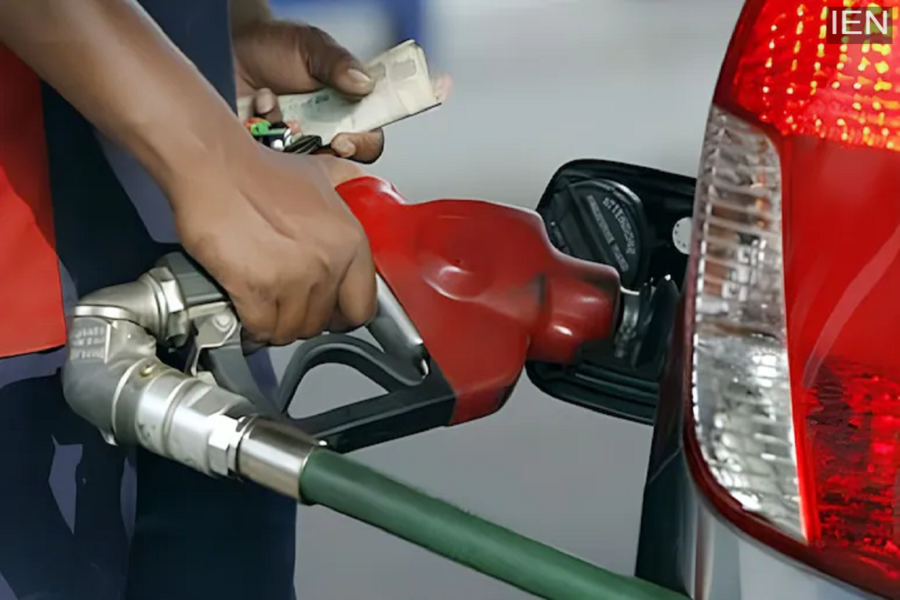
Petrol Pump Scam Alert: Refueling a vehicle is a routine task for millions of people, but rushing through the process could leave you vulnerable to fraud. Consumer awareness agencies and investigators have repeatedly warned that a lack of attention at petrol pumps can sometimes result in customers receiving less fuel than they paid for.
The National Crime Investigation Bureau (NCIB) has advised vehicle owners to remain alert while refueling and follow a few simple precautions to avoid potential losses.
Why Should Customers Be Careful at Petrol Pumps?
According to NCIB, some cases of fuel-related fraud occur when customers fail to pay attention during the refueling process. Common issues may include incorrect meter readings, delivery discrepancies, or attempts to distract customers while fuel is being dispensed.
The organization has emphasized that a few seconds of vigilance can help consumers protect themselves from unnecessary financial losses.
While most petrol pumps operate fairly and transparently, experts recommend verifying the transaction before making payment.
Common Mistakes Drivers Make
Many vehicle owners unintentionally create opportunities for mistakes or fraud by:
-
Not checking whether the meter starts from zero.
-
Looking away during fuel dispensing.
-
Failing to verify the fuel type being filled.
-
Ignoring unusual behavior by pump staff.
-
Leaving without collecting a receipt.
-
Not checking the quantity displayed on the machine.
These small oversights can sometimes lead to disputes or confusion regarding the amount of fuel received.
Important Tips to Follow While Refueling
NCIB has shared several precautions that customers should keep in mind whenever they visit a fuel station.
1. Ensure the Meter Starts at Zero
Before fuel dispensing begins, carefully check that the meter display reads 0.00. This is one of the most important steps in verifying the transaction.
2. Confirm the Correct Fuel Type
Always ensure the attendant is filling the correct fuel, whether it is petrol, diesel, or another approved fuel type for your vehicle.
3. Watch the Entire Refueling Process
Remain attentive throughout the transaction. Avoid distractions such as phone calls or conversations while fuel is being dispensed.
4. Collect and Verify the Receipt
Always request a receipt after payment. The receipt helps confirm:
-
Fuel quantity purchased
-
Amount paid
-
Date and time of transaction
-
Fuel station details
It can also serve as evidence if any issue arises later.
5. Check Calibration and Seals
Customers can look for valid calibration markings and official seals on dispensing machines. These indicate that the equipment has undergone required inspections.
6. Report Suspicious Activity
If you notice anything unusual, such as inconsistent meter readings or suspicious behavior, report it immediately to the station manager or relevant authorities.
7. Ask Questions if Something Seems Wrong
Consumers should never hesitate to seek clarification if they are uncertain about any part of the transaction.
How to Protect Yourself From Fuel Fraud
Experts recommend following a simple checklist whenever refueling:
✔ Verify the meter starts from zero
✔ Confirm the fuel type
✔ Observe the dispensing process
✔ Keep payment records
✔ Take a receipt
✔ Report suspicious activity immediately
These habits can significantly reduce the risk of becoming a victim of fuel-related fraud.
Where to Seek Help
If you believe you have encountered a fraudulent activity or require assistance, NCIB has provided the following contact channels:
Helpline
97925800000
Official Website
Official X (Twitter) Handle
@NCIBHQ
Consumers can use these channels to seek guidance or report suspicious incidents.
Final Takeaway
A visit to the petrol pump may seem like a routine task, but a few moments of attention can make a significant difference. Checking the meter, monitoring fuel delivery, verifying receipts, and staying alert throughout the transaction can help protect you from unnecessary losses.
As fuel fraud techniques become more sophisticated, consumer awareness remains one of the most effective tools for ensuring a safe and transparent refueling experience.
SEO Title
Petrol Pump Alert: NCIB Shares Essential Tips to Avoid Fuel Fraud and Protect Your Money
