
Petrol and Diesel Prices May Rise Soon as Oil Firms Face Heavy Losses Amid Global Crude Surge
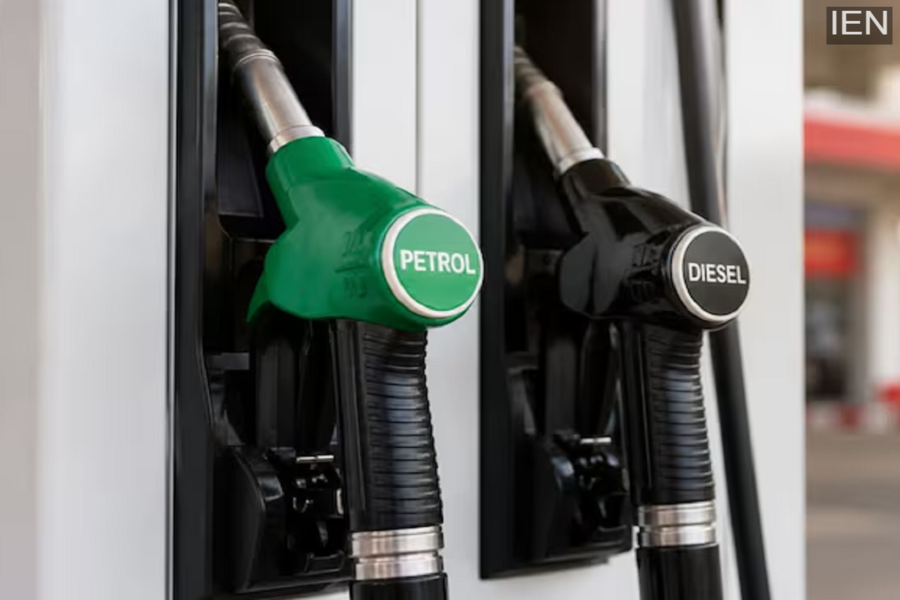
Petrol and diesel prices in India could witness a fresh increase in the coming weeks as rising global crude oil prices and escalating tensions between the United States and Iran continue to put pressure on government-owned oil companies. According to reports and industry estimates, public sector Oil Marketing Companies (OMCs) are currently suffering significant under-recoveries on fuel sales, triggering discussions within the government over a possible fuel price hike.
The growing concern comes at a time when international crude oil prices have climbed sharply over the past few months, largely due to geopolitical instability in West Asia. Experts believe that if crude prices remain elevated for a prolonged period, the government may have little option but to allow retail fuel prices to increase gradually.
Government and Oil Companies Discussing Fuel Price Strategy
Sources indicate that continuous discussions are underway between the Finance Ministry, Petroleum Ministry, and state-run oil companies regarding the future pricing strategy for petrol, diesel, and LPG.
The government is reportedly trying to balance multiple challenges at once, including:
- Controlling inflation
- Managing fiscal pressure
- Protecting consumers from sudden price shocks
- Reducing financial stress on oil companies
Prime Minister Narendra Modi’s recent appeal urging citizens to reduce petrol and diesel consumption has also sparked speculation that fuel prices may increase if global conditions worsen further.
Industry observers say the final decision will largely depend on the movement of international crude oil prices and developments in the ongoing US-Iran conflict.
Oil Companies Facing Massive Financial Pressure
Union Petroleum and Natural Gas Minister Hardeep Singh Puri recently stated that government-owned oil companies could face under-recoveries of nearly ₹2 lakh crore during the current quarter.
According to estimates shared by the minister, overall losses for public sector OMCs could reach around ₹1 lakh crore if current global price trends continue.
The primary reason behind these losses is the widening gap between the high cost of importing crude oil and the relatively controlled retail prices being charged to consumers in India.
State-run companies are currently purchasing crude oil, natural gas, and LPG at elevated international prices while continuing to sell fuel domestically at comparatively lower rates to shield consumers from inflation.
Officials estimate that OMCs may be losing nearly ₹1,000 crore every day under the current pricing structure.
Petrol and Diesel Prices Could Rise Gradually
Market estimates suggest that oil companies are currently facing losses of approximately:
- ₹18 per litre on petrol
- ₹25 per litre on diesel
If retail prices were increased by these amounts, the under-recoveries of companies such as BPCL and HPCL could reduce significantly.
However, reports suggest that the government is unlikely to approve a sharp one-time increase because of concerns over inflation and public backlash.
Instead, fuel prices may be raised gradually in phases.
According to media reports citing sources, the first phase of price revision could involve:
- Petrol price increase of around ₹4 to ₹5 per litre
- Diesel price increase of around ₹4 to ₹5 per litre
- LPG cylinder price hike of approximately ₹40 to ₹50
A phased increase is being viewed as a way to reduce inflationary shock while still offering some financial relief to oil companies.
US-Iran Tensions Driving Global Oil Prices Higher
One of the biggest reasons behind the recent surge in crude oil prices is the escalating conflict between the United States and Iran.
The geopolitical crisis has now entered its third month, increasing fears of supply disruptions across key oil-producing regions in West Asia.
On May 10, US President Donald Trump reportedly rejected Iran’s peace proposal, further weakening hopes of a quick resolution.
The prolonged conflict has already impacted global energy markets and increased volatility in crude oil prices.
Data from the Petroleum Planning and Analysis Cell (PPAC) shows that India’s average crude oil import price rose sharply to around $104.68 per barrel in May 2026. In comparison, the average import price stood near $69.01 per barrel in February.
Similarly, Brent crude prices climbed from around $72.50 per barrel on February 28 to nearly $105 per barrel by May 11. During periods of heightened conflict, prices even crossed the $120 per barrel mark.
Why High Crude Prices Are a Big Concern for India
India remains heavily dependent on crude oil imports to meet domestic fuel demand. Any sustained rise in global crude prices directly impacts the country’s import bill, inflation levels, and fiscal position.
Experts warn that if crude oil prices remain above the $65–70 per barrel range for an extended period, retail fuel price hikes in India may become unavoidable.
Analysts also point out that India’s fuel prices have remained largely stable since April 2022 despite major global fluctuations. While this helped consumers temporarily, it also increased financial pressure on OMC balance sheets.
Another major concern is India’s reliance on critical shipping routes such as the Strait of Hormuz, which remains strategically important for global oil supply. Any disruption in this region could further increase supply risks and push prices even higher.
Rising Fuel Costs Could Impact Inflation
Any increase in petrol and diesel prices is likely to affect multiple sectors of the economy.
Higher fuel costs generally lead to:
- Increased transportation expenses
- Rising logistics costs
- Higher prices of goods and services
- Additional pressure on household budgets
Sectors such as agriculture, manufacturing, public transport, and retail trade are particularly sensitive to fuel price movements.
This is one of the key reasons why the government is expected to move cautiously before approving any major revision in fuel prices.
What Consumers Can Expect Next
For now, no official announcement has been made regarding an immediate fuel price hike. However, experts believe that if global crude prices continue to remain elevated and geopolitical tensions worsen, gradual increases in petrol, diesel, and LPG prices may become difficult to avoid.
Consumers are therefore being advised to prepare for possible fuel cost increases in the coming weeks as the government and oil companies continue reviewing the evolving global energy situation.
