
Personal Loan Default Rules Explained: Can You Go to Jail for Missing EMI Payments?
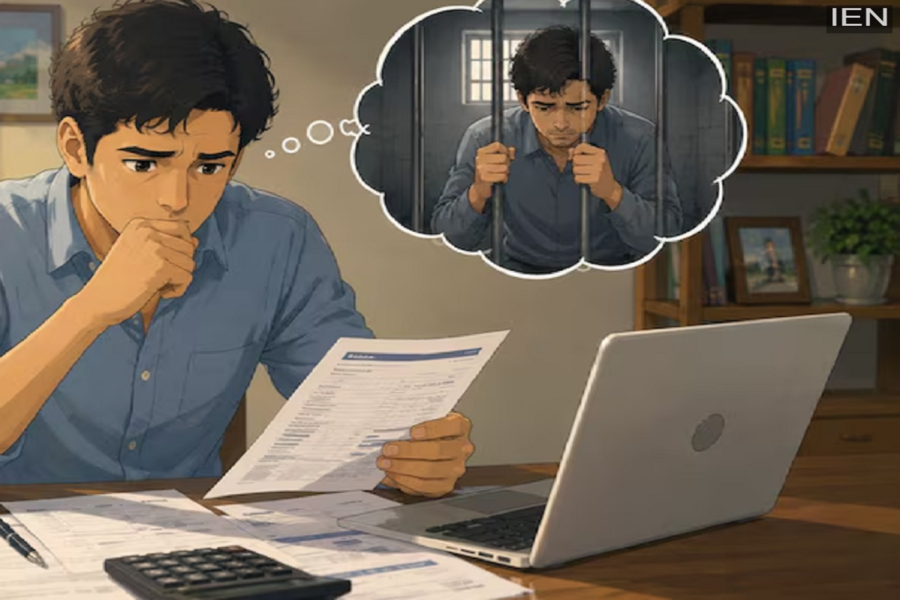
Personal loans have become extremely accessible in recent years, with banks, NBFCs, and digital lending apps offering quick approvals within minutes. However, financial stress often begins when borrowers suddenly face difficulties such as job loss, business losses, medical emergencies, or declining income, making it hard to continue paying EMIs on time.
In such situations, one question worries many borrowers: can a person be sent to jail for not repaying a personal loan?
In most cases, the answer is no. Under Indian law, simply being unable to repay a loan is generally treated as a civil financial matter and not a criminal offense. However, there are certain situations where legal trouble, including criminal proceedings, can arise if fraud or intentional deception is involved.
What Happens First If You Miss Personal Loan EMIs?
When a borrower misses EMI payments continuously, banks or NBFCs usually begin the recovery process gradually.
Initially, lenders may:
- Send reminders through calls, SMS, or emails
- Issue formal payment notices
- Warn about overdue penalties and late charges
If the default continues for a prolonged period, the loan account may eventually be classified as an NPA (Non-Performing Asset).
One of the biggest immediate impacts of loan default is damage to the borrower’s credit score, especially the CIBIL score. A poor credit history can make it extremely difficult to:
- Get future loans approved
- Obtain credit cards
- Secure financial approvals from institutions
In some cases, banks may also approach courts to recover outstanding dues. If the loan was secured against collateral, guarantors, or pledged assets, recovery proceedings may include legal action against those securities.
Can Personal Loan Default Lead to Jail?
Legal experts clarify that inability to repay a loan alone does not usually result in imprisonment.
However, criminal action may arise if the borrower:
- Submitted fake documents
- Used forged salary slips or fake identities
- Provided false information intentionally
- Took loans with fraudulent intent
- Deliberately cheated the bank
In such situations, the bank may file a police complaint alleging fraud or cheating. Criminal charges can then be initiated under relevant legal provisions.
This creates an important distinction between:
- Genuine financial hardship, and
- Intentional financial fraud
Courts generally treat these two situations very differently.
What Recovery Agents Can and Cannot Do
The Reserve Bank of India (RBI) has issued strict guidelines governing the behavior of recovery agents.
According to RBI rules, recovery agents are not allowed to:
- Threaten borrowers
- Use abusive language
- Harass customers repeatedly
- Call at inappropriate late-night hours
- Publicly humiliate borrowers
Agents may contact borrowers through lawful communication channels and can visit homes or offices, but they are required to follow professional and respectful conduct.
If any recovery agent behaves aggressively, threatens the borrower, or attempts public intimidation, customers can file complaints with:
- The bank or NBFC
- Local police authorities
- The Reserve Bank of India
What Should Borrowers Do If EMI Payments Become Difficult?
Financial advisors say one of the biggest mistakes borrowers make is avoiding communication with lenders after facing repayment problems.
Ignoring bank calls or disappearing often worsens the situation. Instead, experts recommend speaking openly with the lender as soon as financial stress begins.
Many banks and NBFCs may offer solutions such as:
- Loan restructuring
- Lower EMI options
- Moratorium periods
- Extension of loan tenure
- One-time settlement arrangements
These options can help reduce legal complications and mental stress while giving borrowers time to stabilize financially.
Why Honest Communication Matters
Experts emphasize that borrowers facing genuine financial hardship should not panic unnecessarily. Financial difficulties can happen due to unexpected situations, and lenders are often willing to discuss restructuring options if customers cooperate honestly.
At the same time, borrowers must avoid:
- Providing false documents
- Hiding information intentionally
- Taking loans fraudulently
- Disappearing after borrowing funds
Such actions can turn a civil loan dispute into a serious criminal matter.
Borrowers Should Know Their Rights
Legal and banking experts repeatedly stress that a borrower struggling financially is not automatically treated as a criminal. Indian banking laws provide safeguards against harassment and unlawful recovery practices.
Understanding RBI rules, maintaining communication with lenders, and seeking financial advice early can help borrowers manage loan stress more effectively.
For borrowers facing repayment difficulties, the most practical approach is often transparency, early negotiation with lenders, and exploring restructuring solutions instead of avoiding the issue entirely.
