
People Shifting from Gold to Silver; Demand Doubles; BIS Set to Take Major Step
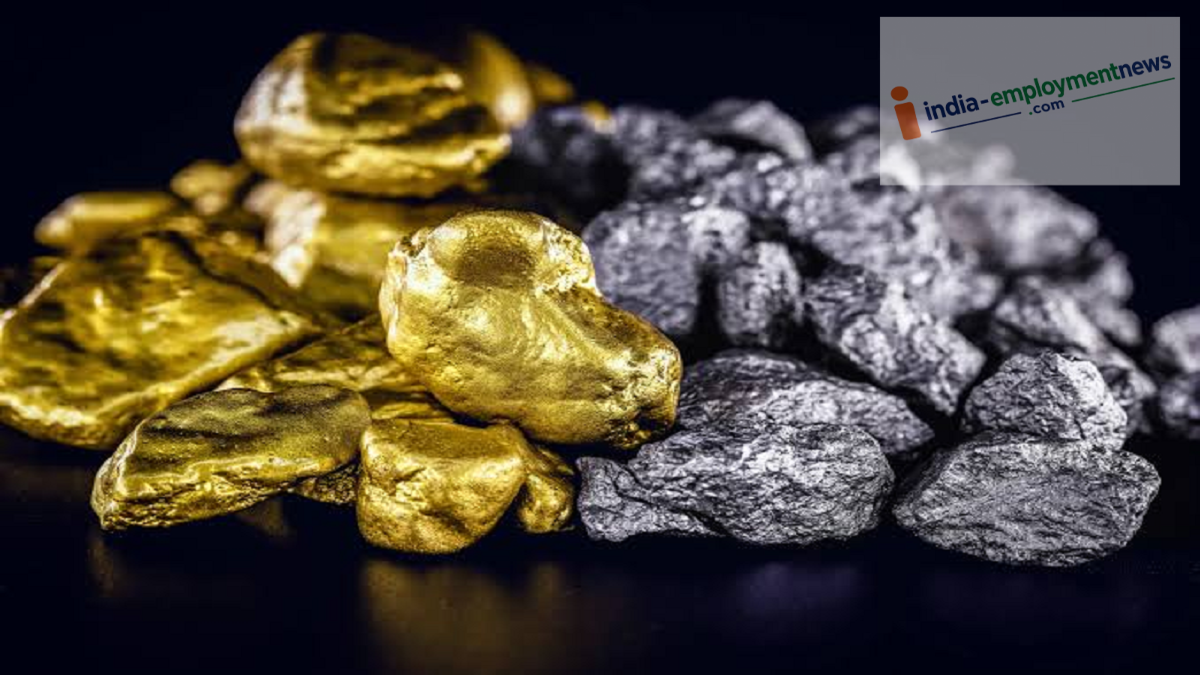
Silver Demand Doubled: The impact of soaring gold prices has led people to prioritize silver, causing a significant surge in demand; as a result, hallmarking processes are set to be ramped up.
Bureau of Indian Standards: Due to skyrocketing gold prices, Indian buyers are increasingly turning towards silver jewelry and silverware. In light of this shifting consumer trend and rising demand for silver, the Bureau of Indian Standards (BIS) is preparing to expand testing facilities for silver jewelry. Plans are underway to expand the network of referral and assaying laboratories for silver nationwide over the next two years.
A 6-digit Hallmark Unique Identification (HUID) number has been made mandatory for hallmarked silver jewelry starting September 2025. This allows customers to verify the purity of silver in real-time using the BIS Care App. Under mandatory hallmarking regulations, genuine silver items will bear the BIS logo, purity grade (e.g., 999, 925 Sterling Silver), the assaying center's code, and the jeweler's identification mark. Preparations are now underway to initiate large-scale testing of silver jewelry to meet current requirements.
Testing to Go High-Tech
To accelerate purity testing and eliminate minor errors, the BIS is leveraging Artificial Intelligence (AI), machine learning, and robotics in its laboratories. Testing machines are directly linked to the 'Laboratory Information Management System' (LIMS), ensuring automated purity readings and leaving no room for tampering.
BIS's Expanding Network
Currently, the BIS operates 10 laboratories across the country. It is also supported by an extensive network of accredited private and government laboratories established under the 'Laboratory Recognition Scheme' launched in 1985. Nishat S. Haque, Deputy Director General (Laboratories) at BIS, said, "In 2014, we had approximately 147 accredited laboratories, and only 24 government laboratories were associated with us. Today, we have 440 accredited laboratories and 350 associated laboratories."
