
PAN Rule Changes 2026: No PAN Needed for These 8 Transactions, New Rules for Property, Cash and Insurance
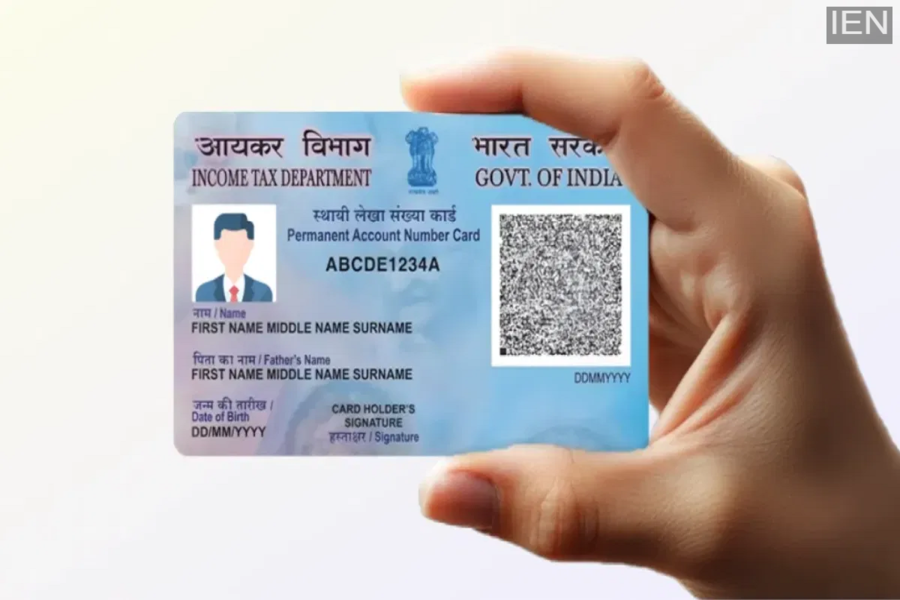
The government has introduced major changes to PAN card-related financial rules under the new Income Tax Rules 2026, bringing relief in some transactions while tightening monitoring in others. The revised framework changes how PAN details will be used for property purchases, cash deposits, hotel payments, insurance premiums, and several other high-value transactions.
One of the biggest updates is the replacement of the old Form 60 with the newly introduced Form 97 for individuals who do not possess a PAN card. However, the government has also made certain transactions stricter, especially those involving large property deals and high-value financial activities.
The latest reforms are aimed at simplifying low-risk transactions while increasing surveillance over major financial dealings to curb tax evasion and improve transparency.
Big Relief in Cash Deposit Rules
Under the earlier system, individuals had to provide their PAN card while depositing cash exceeding ₹50,000 in a single day at a bank. The government has now removed this daily PAN requirement, offering relief to many account holders.
At the same time, the annual reporting threshold for cash deposits has been increased significantly.
New Cash Deposit Reporting Limit
- Earlier reporting limit: ₹2.5 lakh annually
- New reporting limit: ₹10 lakh annually
This means banks may report cash deposits to the Income Tax Department only when yearly deposits cross ₹10 lakh.
However, the government has tightened rules for cash withdrawals.
PAN Monitoring on Large Cash Withdrawals
If an individual withdraws more than ₹10 lakh in cash during a financial year, the transaction may now fall under PAN-based reporting rules.
This step is aimed at keeping a closer watch on large cash movement in the banking system.
Property Purchase and Sale Rules Revised
The government has also changed PAN-related rules for property transactions.
Earlier, PAN details were mandatory for property purchase or sale transactions above ₹10 lakh. Under the revised Income Tax Rules 2026, this limit has now been doubled.
New Property PAN Threshold
- Old limit: ₹10 lakh
- New limit: ₹20 lakh
This means PAN details may not be required for smaller property deals below the revised threshold.
At the same time, the reporting limit for property transactions has also been increased.
New Property Reporting Limit
- Previous reporting threshold: ₹30 lakh
- New reporting threshold: ₹45 lakh
PAN Mandatory for Property Deals Above ₹45 Lakh
While smaller transactions have been relaxed, the government has made large property transactions much stricter.
Under the new rules:
- PAN will become compulsory for property deals exceeding ₹45 lakh
- Form 97 will not be accepted for such transactions
- Gift deeds and Joint Development Agreements (JDA) have also been included under stricter monitoring
Previously, many individuals used Form 60 to complete property transactions without a PAN card. That flexibility has now been removed for high-value deals.
Changes in Foreign Travel and Forex Rules
The government has also modified PAN reporting categories related to foreign travel expenses and foreign exchange purchases.
The separate PAN category for overseas travel and forex transactions has reportedly been removed. However, transactions involving spending above ₹2 lakh in a single instance may still be reported under the broader category of purchase of goods and services.
Additionally, separate reporting thresholds may apply for people with PAN cards and those without PAN while conducting foreign exchange transactions.
Insurance Premiums to Face Higher Scrutiny
Insurance companies will now have to provide transaction details to the Income Tax Department under stricter reporting norms.
New Insurance Reporting Rules
For PAN holders:
- Premium payments above ₹5 lakh will be reported
For non-PAN holders:
- Premium payments above ₹2.5 lakh will come under reporting rules
The move is expected to improve tracking of high-value insurance investments and premium payments.
Monitoring Increased on Stamp Paper Purchases
The government has also brought stamp paper purchases under tighter surveillance.
Reporting Threshold for Stamp Paper Purchases
For PAN holders:
- Transactions above ₹2 lakh may be monitored
For individuals without PAN:
- Monitoring may begin above ₹1 lakh
This step is aimed at improving transparency in property and legal documentation-related financial activities.
Hotel, Banquet Hall and Event Payments Under Scanner
The revised rules also affect large cash payments made at hotels, restaurants, banquet halls, convention centers, and event management venues.
PAN Limit for Hotel and Event Payments Increased
- Earlier PAN threshold: ₹50,000
- New PAN threshold: ₹1 lakh
This means cash payments above ₹1 lakh at hotels or event venues may attract stricter reporting and PAN-related compliance.
The government is particularly focusing on high-value wedding and event expenditures where large cash transactions are common.
Vehicle Purchase Rules Expanded
The PAN requirement for purchasing vehicles priced above ₹5 lakh will continue under the new rules.
However, the updated framework now expands the category to include two-wheelers as well.
Important Vehicle Rule Changes
- PAN required for vehicles above ₹5 lakh
- Two-wheelers now included
- Tractors excluded from the category
This change broadens the scope of transaction monitoring in the automobile sector.
Changes in Bank Draft and Pay Order Rules
The government has also relaxed daily PAN-related requirements for bank drafts, pay orders, and banker’s cheques.
Earlier, PAN details were required for certain daily transactions. Under the new system:
- Daily PAN submission requirement has been removed
- Annual monitoring and reporting will continue
This move is expected to simplify banking operations for regular users while still allowing authorities to monitor larger yearly financial activity.
Form 60 Replaced by New Form 97
One of the biggest structural changes under the new Income Tax Rules 2026 is the removal of Form 60.
The government has now introduced Form 97 for people who do not have a PAN card.
However, Form 97 will not be valid for property transactions above ₹45 lakh, where PAN will remain compulsory.
Government Focused on Balancing Ease and Monitoring
According to the government, the purpose behind the revised PAN rules is to reduce compliance burdens for smaller and low-risk transactions while increasing scrutiny on large financial dealings.
The changes are expected to impact banking, real estate, insurance, travel, and hospitality sectors significantly in the coming months.
For taxpayers and businesses alike, understanding the updated PAN rules will become important to avoid compliance issues and ensure smoother financial transactions under the new Income Tax Rules 2026.
