
PAN Card Rules 2026: Not Just for Taxes Anymore—17 Key Transactions Where PAN Is Now Mandatory
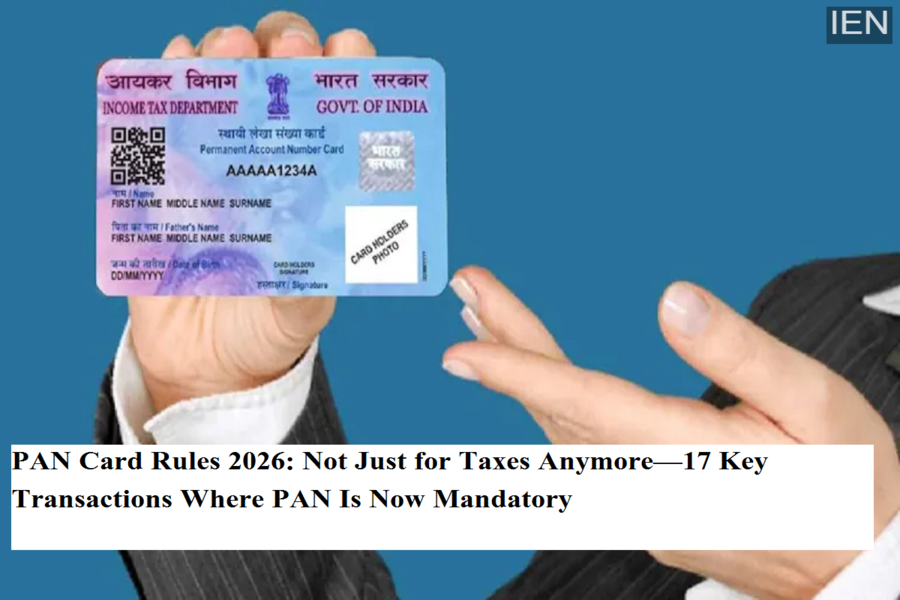
In today’s rapidly evolving financial landscape, a Permanent Account Number (PAN) card is no longer just a document for filing income tax returns. It has transformed into a crucial financial identity that plays a central role in almost every major transaction. With the latest updates from the Income Tax Department, the importance of PAN has increased significantly—so much so that missing it during key financial activities could lead to serious complications.
If you are planning to buy a car, invest in financial instruments, or even carry out high-value banking transactions, having a valid PAN card is now essential. Here’s a detailed breakdown of what has changed and why it matters.
PAN Card Now Mandatory for 17 Major Financial Activities
The government has clearly outlined a list of critical financial transactions where quoting your PAN is compulsory. These rules aim to enhance transparency and curb tax evasion by tracking high-value financial movements.
Here are some of the key transactions where PAN is now required:
1. Vehicle Purchase and Sale
If you are buying or selling a motor vehicle (except two-wheelers), you must provide your PAN details. This applies to both new and used vehicle transactions.
2. Opening Bank and Demat Accounts
PAN is mandatory for opening most types of bank accounts (except basic savings accounts) and for setting up a Demat account to trade in the stock market.
3. High-Value Hotel Bills and Foreign Travel
Paying a cash bill exceeding ₹50,000 at hotels or restaurants requires PAN disclosure. Similarly, purchasing foreign currency worth more than ₹50,000 for overseas travel also mandates PAN submission.
4. Investments and Savings Instruments
Any investment exceeding ₹50,000 in mutual funds, bonds, debentures, or RBI-backed schemes requires PAN details. This ensures proper tracking of large investments.
5. Banking Transactions
Depositing cash above ₹50,000 in a single day or issuing demand drafts/pay orders beyond this limit requires PAN verification.
6. Insurance and Digital Wallet Usage
If your annual life insurance premium exceeds ₹50,000, or if your spending via prepaid wallets crosses this threshold, PAN becomes compulsory.
7. Property and Share Transactions
Property deals valued above ₹10 lakh and transactions involving unlisted shares exceeding ₹1 lakh also require PAN disclosure.
What Changed from April 1, 2026?
The rules for obtaining a PAN card have also become stricter from April 1, 2026. Earlier, Aadhaar alone was sufficient for PAN application. However, the government has now made it mandatory to submit valid proof of date of birth separately.
Accepted documents include:
- Birth certificate
- Class 10 mark sheet
- Passport
- Voter ID card
Additionally, new application forms have been introduced for foreign individuals and entities to streamline compliance and identification processes.
Why These Changes Matter
Many individuals unknowingly carry out high-value transactions without proper documentation, which can lead to legal issues or penalties later. PAN acts as a tracking tool for the government, ensuring that all financial activities are recorded and assessed accurately.
With stricter compliance norms, failing to provide PAN or submitting incorrect details can result in:
- Transaction delays
- Rejection of applications
- Possible legal scrutiny
Expert Advice: Don’t Take PAN Lightly
Financial advisors strongly recommend checking your PAN status before engaging in any major transaction. Ensure that:
- Your PAN is active and valid
- It is correctly linked with your Aadhaar
- All details are accurate and up to date
Think of PAN not just as a tax-related document but as a gateway to smooth financial operations. In an era where transparency and compliance are becoming increasingly important, ignoring PAN requirements could cost both money and peace of mind.
Final Word
As India moves toward a more structured and transparent financial ecosystem, the role of PAN continues to expand. Whether you are an investor, salaried professional, or business owner, staying updated with these rules is essential.
Being proactive today can save you from unnecessary hassles tomorrow—so make sure your PAN card is in order before making your next big financial move.
Disclaimer: This article is for informational purposes only. Readers are advised to consult certified financial or tax professionals before making any financial decisions.
