
PAN Card: A new scam is circulating in the name of downloading PAN cards; do not make this mistake under any circumstances..
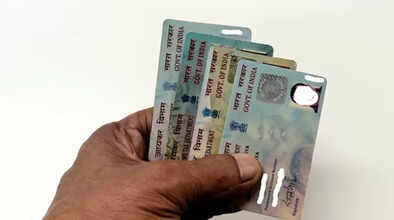
Scammers are adopting new methods to commit fraud. Sometimes they pretend to be bank employees, police officers, etc., by making phone calls, and sometimes they try to gain access to your phone by sending you various documents. A new type of fraud attempt is currently underway under the pretext of downloading a PAN card. Now, these fraudsters are trying to access people's systems by sending fake emails under the guise of downloading a PAN card. Have you also received an email to download your e-PAN card?
If you have recently received an email to download your e-PAN card, be careful.
PIB and Income Tax Department Warning: Never do this
The PIB (Press Information Bureau) has declared such emails as fake. If you open such emails or download the attachments, it can cause significant damage to your phone or computer. The PIB asked, "Have you also received an email to download your e-PAN card?"
The PIB's fact-check found that this email is fake. Do not respond to any such emails, links, calls, or SMS that ask you to share financial and sensitive information.
The Income Tax Department has stated that it does not request detailed personal information via email. The Income Tax Department does not send emails asking for your PIN, password, or similar access information for credit cards, banks, or other financial accounts.
These 3 mistakes can make you penniless.
The Income Tax Department has advised people to take these steps immediately to avoid such fraud:
Do not open any attachments: If you receive an email from someone claiming to be authorized by the Income Tax Department, do not open any attachments. It may contain viruses/code that can harm your computer. Do not click on suspicious links: Do not click on any links. If you have clicked on a suspicious email or a link to a phishing website, do not enter confidential information such as bank account details or credit card information. Do not share financial information: Do not respond to any email, link, call, or SMS that asks you to share financial and sensitive information.
What to do to avoid fraud?
Use and keep your antivirus software, anti-spyware, and firewall updated.
Some phishing emails contain software that can monitor your online activities without your knowledge.
Remember that phishers can make links look legitimate, but they actually redirect you to various fake websites.
Disclaimer: This content has been sourced and edited from NDTV India. While we have made modifications for clarity and presentation, the original content belongs to its respective authors and website. We do not claim ownership of the content.
