
Opening a wedding card on WhatsApp leads to a loss of ₹6.4 lakh; a shocking case
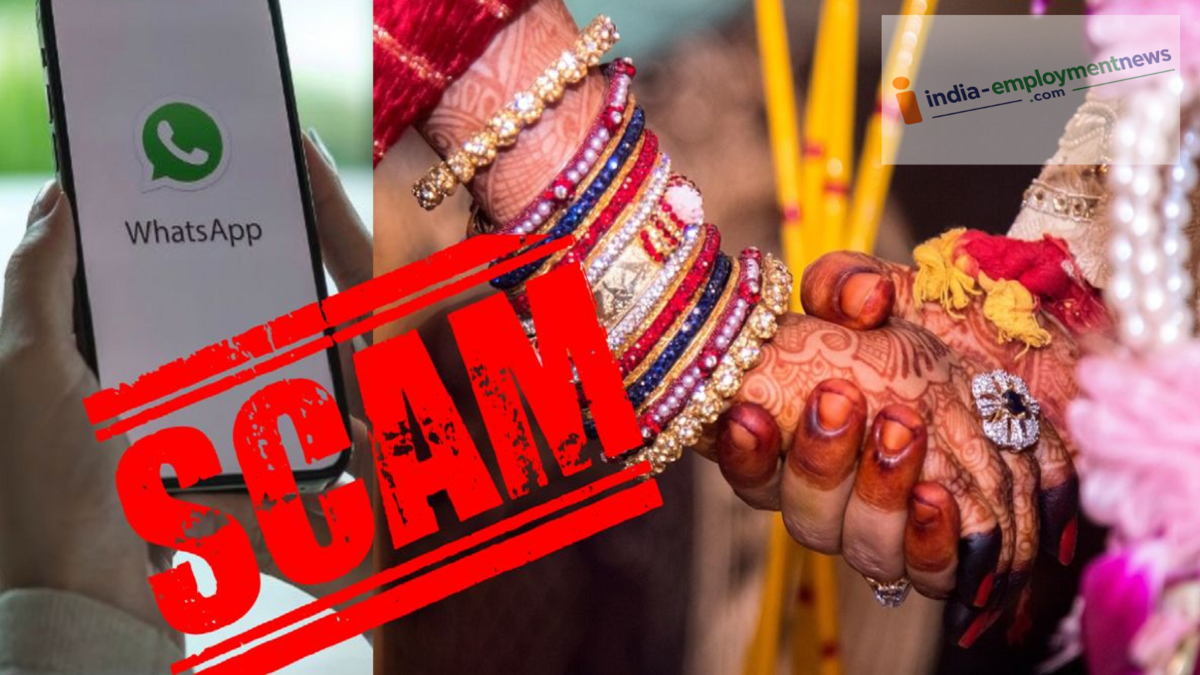
A 71-year-old man from Ahmedabad lost ₹6.4 lakh from his two bank accounts after opening a wedding card received on WhatsApp. Here is how the 'wedding card APK scam' works and how you can protect yourself.
If you receive a wedding card on WhatsApp from a friend or relative, think twice before opening it. This is exactly what happened to a 71-year-old man in Ahmedabad. He received a digital wedding card from an acquaintance's number, clicked on it, and within a few days, ₹6.4 lakh was siphoned off from his two bank accounts.
According to the police, this was not a standard photo or PDF card; instead, an APK file was sent along with it. As soon as the file was installed on the phone, cyber fraudsters gained access to the device and drained the bank accounts.
Media reports state that a retired businessman living in Ahmedabad's Meghaninagar area received a wedding invitation on WhatsApp on September 15. Since the message came from a known contact, he did not suspect anything amiss. He clicked on the card and downloaded the APK file. Subsequently, the same message began to be automatically forwarded to his WhatsApp contacts.
Two days later, he started receiving SMS alerts regarding bank transactions and discovered that a total of ₹6.4 lakh had been withdrawn from his two accounts across multiple transactions.
What is an APK file?
On Android phones, an APK is a file used to install an application. Typically, safe apps are installed via the Google Play Store. However, when an unknown APK is sent via WhatsApp or other messaging apps and installed, it may request various permissions on the phone. Police suspect that this is how the fraudsters gained control over the mobile device, stole banking details, and even intercepted OTPs.
Why was a wedding card used as the weapon?
Cyber police state that during the wedding season, people tend to open messages containing wedding cards immediately. Exploiting this trust, fraudsters are sending APK files disguised as wedding invitations, courier updates, electricity bills, and festive greetings.
This is not an isolated incident. Recently, a 74-year-old retired consultant from Ahmedabad lost ₹15.5 lakh after installing an APK file disguised as a wedding invitation. Meanwhile, a 78-year-old senior citizen in Vadodara was defrauded of ₹10.6 lakh.
What should you do if you receive such a message?
Do not install any APK file received via WhatsApp.
Genuine wedding invitations are typically sent as PDF, JPG, PNG, or video files.
Even if the message comes from a known contact, call them to verify before opening it.
If an unknown app gets installed on your phone, remove it immediately and change the passwords for your banking apps.
If money starts getting deducted from your account, immediately report the incident to the cyber helpline at 1930.
As soon as you become aware of the scam, contact your bank to have your account frozen.
