
Old Tax Regime Still Offers Big Benefits: 10 Types of Income That Are Completely Tax-Free
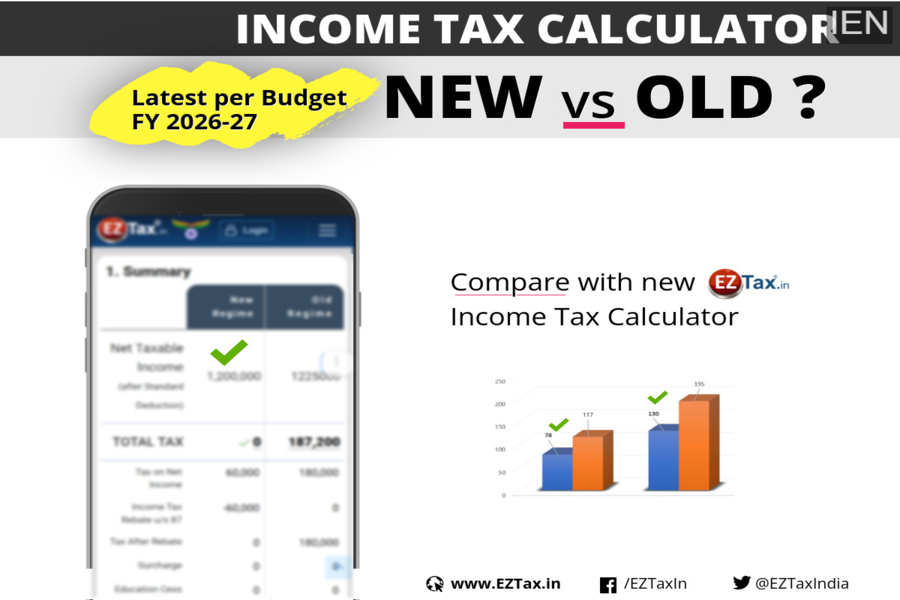
Although the government has been encouraging taxpayers to adopt the new income tax regime, the old tax regime still offers several significant advantages for individuals who plan their finances carefully.
Under the Income Tax Act 1961, certain types of income are completely tax-free, provided the applicable conditions are met. These exemptions can significantly reduce a taxpayer’s overall tax liability.
According to government estimates, nearly 88% of taxpayers have shifted to the new tax regime because of its simplified structure. However, the old tax system still provides multiple deductions and exemptions that can help individuals legally reduce their tax burden.
Here are 10 types of income that are generally tax-free under the old tax regime.
1. Agricultural Income
Under Section 10(1) of the Income Tax Act, income earned from agricultural activities is completely tax-free.
This includes:
-
Income from cultivation of crops
-
Sale of agricultural produce
-
Rent or revenue generated from agricultural land
However, in some cases where a taxpayer has other sources of income, agricultural income may still be considered when calculating the applicable tax rate.
2. Gifts Within the Allowed Limit
Tax laws allow individuals to receive gifts up to ₹50,000 in a financial year from non-relatives without paying tax.
If the value of gifts from non-relatives exceeds ₹50,000 in a financial year, the entire amount may become taxable.
However, gifts received from close relatives such as parents, spouse, siblings, or other specified family members are completely tax-free. Gifts received during marriage are also exempt from income tax.
3. Life Insurance Maturity Amount
The amount received from a life insurance policy is usually tax-free.
This includes:
-
Maturity benefits
-
Death benefits received by nominees
However, the tax exemption depends on certain conditions related to the premium amount and the sum assured.
4. Interest Earned on Public Provident Fund (PPF)
The Public Provident Fund is considered one of the most tax-efficient investment options in India.
Both the interest earned and the maturity amount from PPF investments are completely tax-free, making it an attractive long-term savings instrument.
5. Interest from Tax-Free Bonds
Interest earned from certain tax-free bonds issued by government-backed organizations or public sector companies is exempt from income tax.
These bonds are often used by investors seeking stable long-term returns with tax benefits.
6. Scholarships for Education
Scholarships received for educational purposes are fully tax-exempt under Section 10(16) of the Income Tax Act.
This exemption applies regardless of the amount of the scholarship, as long as it is granted to support educational expenses.
7. Leave Travel Allowance (LTA)
Employees can claim tax exemption on Leave Travel Allowance (LTA) provided by their employer.
However, certain conditions apply:
-
The travel must be within India
-
The exemption generally applies to two journeys in a four-year block
-
Only actual travel expenses such as flight, train, or bus fares are covered
8. Gratuity Received at Retirement
Gratuity received at the time of retirement or resignation is tax-free up to a certain limit.
-
For employees covered under the Gratuity Act, the exemption limit is ₹20 lakh
-
For central government employees, the tax-free limit can go up to ₹25 lakh
9. Employee Provident Fund (EPF) Withdrawal
Withdrawals from the Employees Provident Fund are tax-free if the employee has completed at least five years of continuous service.
If the withdrawal happens before completing five years, tax may apply under certain circumstances.
10. Share of Profit from a Partnership Firm
If an individual is a partner in a partnership firm or LLP, the share of profit received from the firm is tax-free in the partner’s hands.
This is because the partnership firm has already paid tax on that income at the entity level.
Why the Old Tax Regime Still Matters
Despite the popularity of the new tax regime, the old system continues to benefit taxpayers who can utilize multiple deductions and exemptions.
Financial experts say that understanding these tax-free income categories can help individuals optimize their tax planning and reduce overall tax liability legally.
However, choosing between the old and new tax regime depends on a person’s income structure, investments, and eligibility for exemptions.
Taxpayers are advised to evaluate both options carefully before filing their returns to ensure they select the system that offers the maximum financial benefit.
