
Old cheques will no longer be valid; get your chequebook replaced soon; find out why the rule has changed..
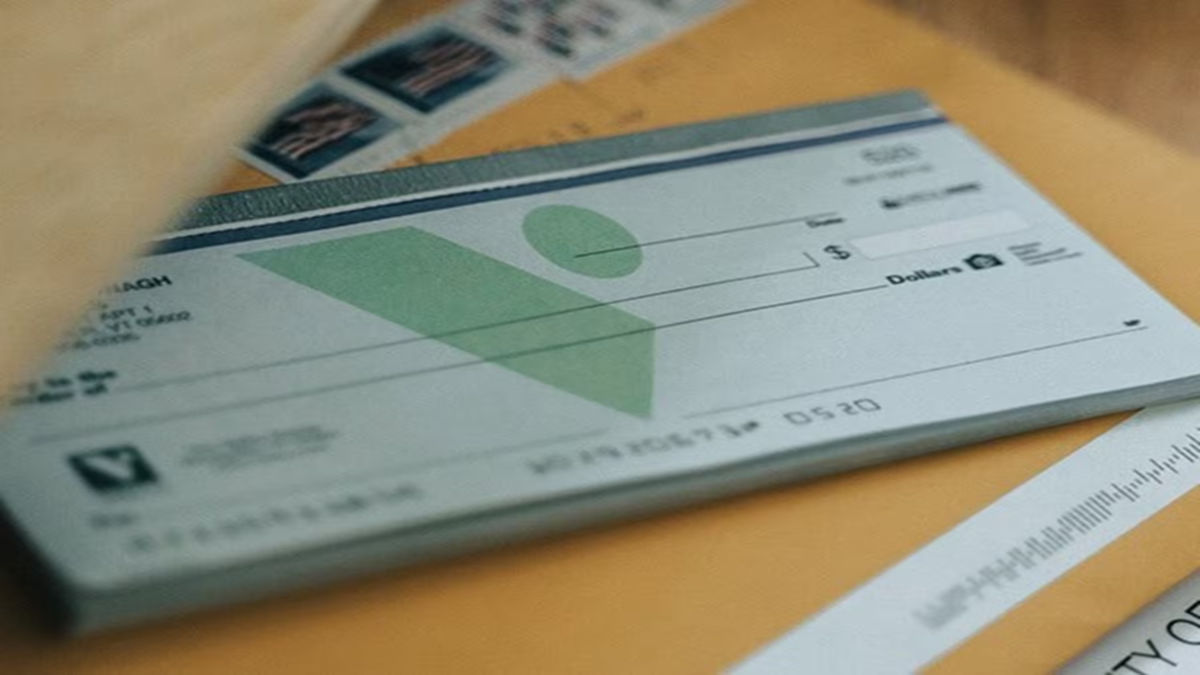
New Cheque Book Rules: If you use a cheque book for banking transactions, this news is very useful for you. Several public and private sector banks, including the Bank of India (BOI), have started issuing cheque books featuring a new alphanumeric code to their customers.
Banks are advising customers via email and SMS to apply for these new cheque books to avoid any disruptions during large payments in the future.
Why was the rule changed?
Under the new guidelines, cheques worth ₹50,000 or more that do not bear the alphanumeric code will not be accepted after December 31, 2026. This code consists of a specific combination of letters and numbers, making the identification and verification of cheques much more secure than before. This step has been taken to mitigate the risk of fraud involving cheque tampering or counterfeit cheques. The Reserve Bank of India (RBI) is focusing on expediting the cheque clearing process; consequently, the 'Cheque Truncation System'—which converts physical paper cheques into digital images—has significantly reduced clearance times.
New Cheque Book Charges and Bank Rules
The charges for issuing a new cheque book may vary across banks depending on the type of account held.
Bank of India (BOI): A cheque book containing 25 leaves is provided free of charge once a year for savings accounts. Thereafter, a fee of ₹5 per page is charged for additional cheque leaves. Other Banks: Charges in other public and private sector banks may vary according to their respective policies.
What is a Cheque and its Main Types?
A cheque book is a booklet issued by a bank to its account holders. It is used to conduct transactions or withdraw cash securely without the need to carry physical currency. It contains complete details, including the payer's bank account information. Additionally, the name of the payee (the person in whose favor the check is issued) must be written on it. A date must also be entered, and the check remains valid for three months. Furthermore, the check bears the payer's signature, which must match the specimen signature recorded with the bank.
Bearer Check: Whoever presents the check at the bank receives cash immediately.
Order Check: Payment is made to the person named on the check after identity verification.
Crossed Check: Such a check has two parallel diagonal lines drawn across it; the funds from this check are credited directly to a bank account.
5 Major Benefits of Paying by Check
Carrying large amounts of cash carries the risk of theft, whereas if a check is stolen, the funds cannot be easily withdrawn by unauthorized persons.
Every transaction made via check is recorded in the bank statement, serving as concrete proof of payment.
If a check bounces, penal legal action can be initiated under Section 138 of the Negotiable Instruments Act, 1881.
Check payments are completely transparent, ensuring there are no issues during business audits or income tax assessments.
Cash transactions of ₹2 lakh or more are restricted in India; therefore, checks serve as an essential medium for large payments.
Disclaimer: This content has been sourced and edited from NDTV India. While we have made modifications for clarity and presentation, the original content belongs to its respective authors and website. We do not claim ownership of the content.
