
Oil Prices Surge Past $102 as Middle East Tensions Threaten Global Supply Routes
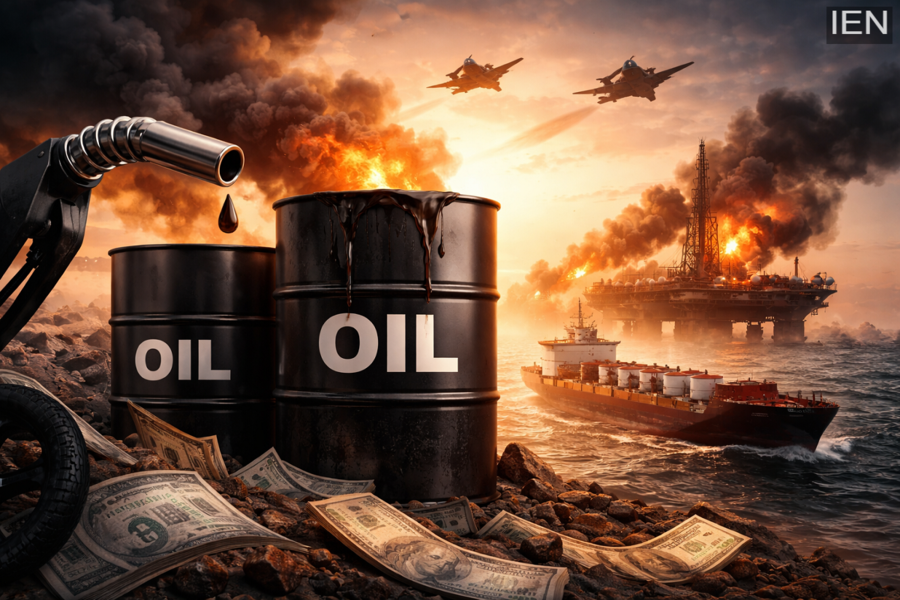
Global crude oil markets remain on edge as escalating geopolitical tensions in the Middle East continue to drive prices higher. Benchmark Brent crude has climbed above the $102 per barrel mark, supported by ongoing uncertainty surrounding regional conflict and concerns over the security of the Strait of Hormuz—one of the world’s most critical oil transit routes.
The recent surge in oil prices has been fueled by intensifying hostilities involving Iran, raising fears of potential disruptions in global energy supply. Reports confirming the death of a senior Iranian security official following an overnight airstrike have further heightened tensions, triggering a strong upward movement in crude prices.
Oil Benchmarks Show Strong Gains
Both major crude oil benchmarks have recorded notable increases in recent sessions. US-based West Texas Intermediate (WTI) crude has been trading near or above $95 per barrel after gaining more than 3% earlier this week. Meanwhile, Brent crude settled around $103.5, marking its fourth consecutive day above the $100 threshold, although it remains below its recent high of $106.5.
Market analysts suggest that the sustained rise reflects growing concerns about supply chain disruptions, particularly through the Strait of Hormuz, a narrow passage that handles a significant share of global oil shipments.
Strait of Hormuz in Focus
The Strait of Hormuz plays a vital role in global energy logistics, with a substantial portion of the world’s oil exports passing through it daily. Any disruption in this corridor can have immediate and far-reaching consequences for global markets.
Amid rising tensions, there have been increasing concerns about the safety of oil tankers navigating the region. While US leadership has indicated that maritime traffic could resume normal operations soon, no definitive timeline has been provided, leaving markets uncertain.
Geopolitical Developments Add to Market Volatility
The situation has also drawn sharp geopolitical reactions. The United States has reportedly deployed military assets to safeguard strategic energy routes, while disagreements with allied nations over involvement in the region have added another layer of complexity.
Experts believe that the current environment could lead to prolonged instability in oil markets. According to global policy analysts, the recent developments may push Iran toward more aggressive actions, including attempts to restrict oil flows, which could further escalate prices.
Oil Prices Up Over 60% in 2026 So Far
In a striking trend, oil prices in the United States have surged by more than 60% in the first three months of 2026 alone. A significant portion of this increase has occurred since late February, coinciding with the outbreak of conflict in Iran.
This sharp rise is not limited to crude oil alone. The impact is being felt across secondary petroleum products, including diesel and gasoline, amplifying inflationary pressures worldwide. Higher fuel costs typically translate into increased transportation and production expenses, which ultimately affect consumer prices.
Rising Fuel Costs Raise Inflation Concerns
In the US, diesel prices have already crossed $5 per gallon this week, signaling mounting pressure on both businesses and consumers. The spike in energy costs is expected to be a key topic during the ongoing Federal Open Market Committee (FOMC) meeting, where policymakers are set to announce their latest decision on interest rates.
Although current expectations suggest that interest rates may remain unchanged, the evolving energy situation could influence future monetary policy decisions.
Market Outlook: Elevated Price Range Likely
Industry experts believe that crude oil prices may remain elevated in the near term due to persistent geopolitical risks. Analysts estimate that Brent crude could trade within a new range of $95 to $110 per barrel under current conditions.
Furthermore, any escalation—such as attacks on major oil refineries or confirmed disruptions in shipping lanes—could push prices even higher, potentially adding another $10 to $20 per barrel.
Global Economic Impact
The ripple effects of rising oil prices extend beyond the energy sector. Increased costs for fuel and related products can slow economic growth, strain supply chains, and intensify inflation across major economies.
As the situation in the Middle East continues to evolve, global markets are expected to remain highly sensitive to any developments that could impact oil production or transportation.
Conclusion
With geopolitical tensions showing no immediate signs of easing, crude oil prices are likely to remain volatile. For consumers, businesses, and policymakers alike, the coming weeks will be crucial in determining how energy markets—and the broader global economy—respond to this ongoing crisis.
