
Not Updating Your Phone? Discover the security risks you could be facing
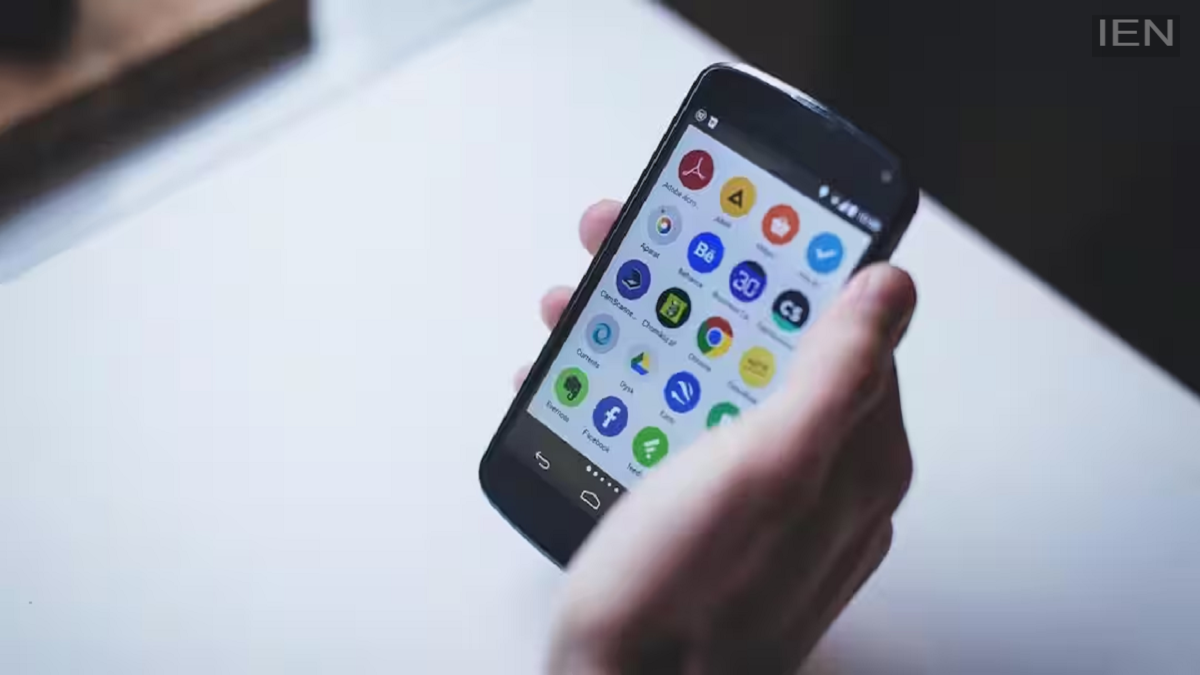
Smartphone: Over time, many apps make their new versions available only on the latest Android or iOS platforms.
Smartphone: In the digital world, the smartphone has become an incredibly useful device. Most daily tasks are now accomplished using smartphones. Additionally, smartphones receive periodic updates. But should you continue using a device if it stops receiving updates? Let’s understand the reality behind this.
Some Apps May Stop Working
Over time, many apps make their new versions available only on the latest Android or iOS platforms. Consequently, certain apps may not update on older phones, or support for them might gradually cease. This can lead to issues such as apps crashing, running slowly, or failing to work altogether.
How the Risk Increases
It is important to note that when a phone's update support ends, it stops receiving new security patches. As a result, if a new cyberattack or virus emerges, your phone cannot defend against it. Hackers can exploit vulnerabilities in outdated software to steal your personal information, banking details, or even passwords.
Why Phone Updates Are Important
Phone companies periodically release new software and security updates. Their purpose is not merely to introduce new features but also to protect your phone from emerging threats. Updates enhance phone security, fix bugs, and improve overall performance.
Is It Necessary to Replace Every Old Phone Immediately?
A phone does not necessarily become useless the moment updates stop. If you use your phone only for calls, messages, or basic tasks and do not store sensitive information on it, you can continue using it for some time. However, for those who engage in online banking, UPI transactions, digital payments, or critical work-related tasks, an updated device is considered much safer. Therefore, if your smartphone stops receiving updates, there is no need to panic; you can comfortably continue using it for a few more months.
