
'No UPI Day' observed across the country; traders cover QR codes with black cloth.
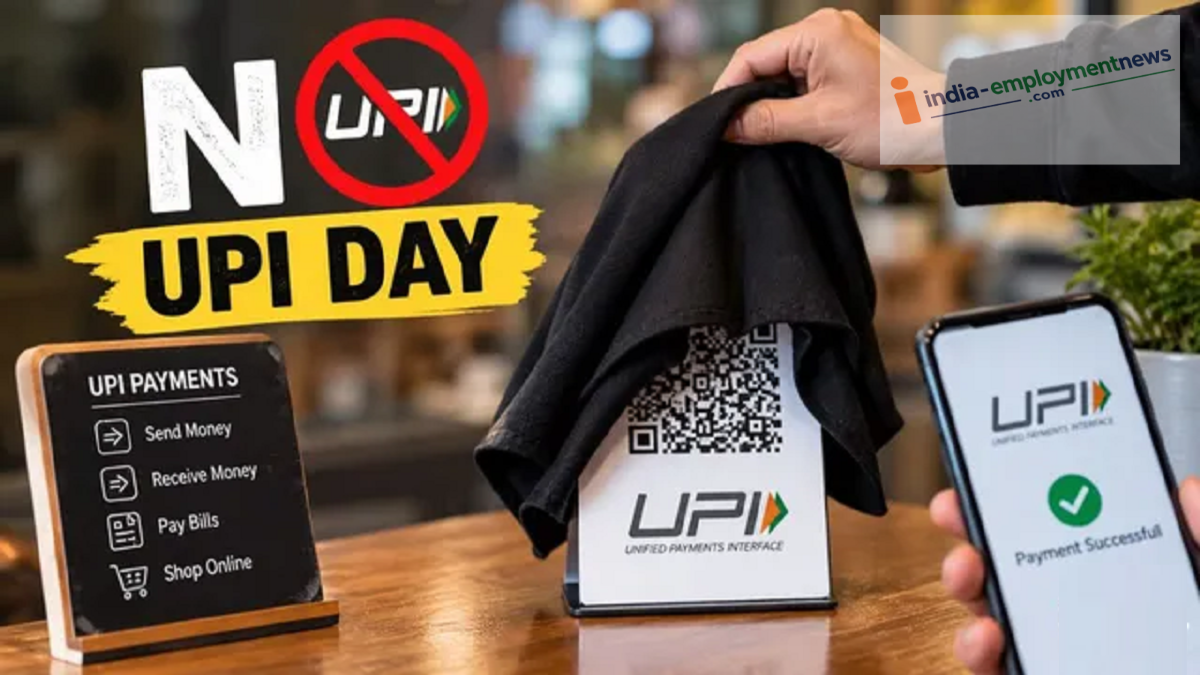
Traders across the country are observing 'No UPI Day' today to protest the imposition of the Merchant Discount Rate (MDR) on UPI transactions. Traders have covered their QR codes with black cloth, forcing customers to pay in cash.
Traders in many parts of the country have organized 'No UPI Day' to protest the proposed 0.4% Merchant Discount Rate (MDR) charge on large merchant UPI transactions exceeding ₹2,000. Traders have covered their QR codes with black cloth and are refusing to accept UPI payments as a mark of protest.
Long queues seen at ATMs
Responding to appeals from bodies such as the Poona Merchants Chamber, the Federation of Trade Associations of Pune, the Delhi Mobile Association, and the All India Mobile Retailers Association, traders have stopped accepting UPI payments today to register their protest against the MDR. Consequently, payments are being accepted only via cards and cash. The impact of the protest is also visible at ATMs, where long queues have formed.
Speaking to ABP News about the protest, traders stated that they are already paying taxes like GST; imposing an extra charge on UPI would increase their financial burden, and customers would ultimately have to bear the cost as well.
The MDR on UPI is set to come into effect on October 15. Trader associations across the country have been continuously urging the government to reconsider this new rule. Traders in major markets of the capital, such as Karol Bagh in Delhi, have been participating in protest demonstrations since the morning.
FAIVM stays away
However, the All India Trade Mandal Federation (FAIVM) in Delhi is not participating in the 'No UPI Day' movement. The organization maintains that while charges could be fixed to make the cost of the digital payment system sustainable, the burden should not fall on small and medium-sized traders. FAIVM stated that it is in discussions with the Ministry of Finance regarding the issue of MDR (Merchant Discount Rate). The organization has emphasized the need to keep UPI an affordable and accessible digital payment system.
