
No risk of collapse! You an safely deposit your money in these 3 banks—backed by the RBI’s confidence.
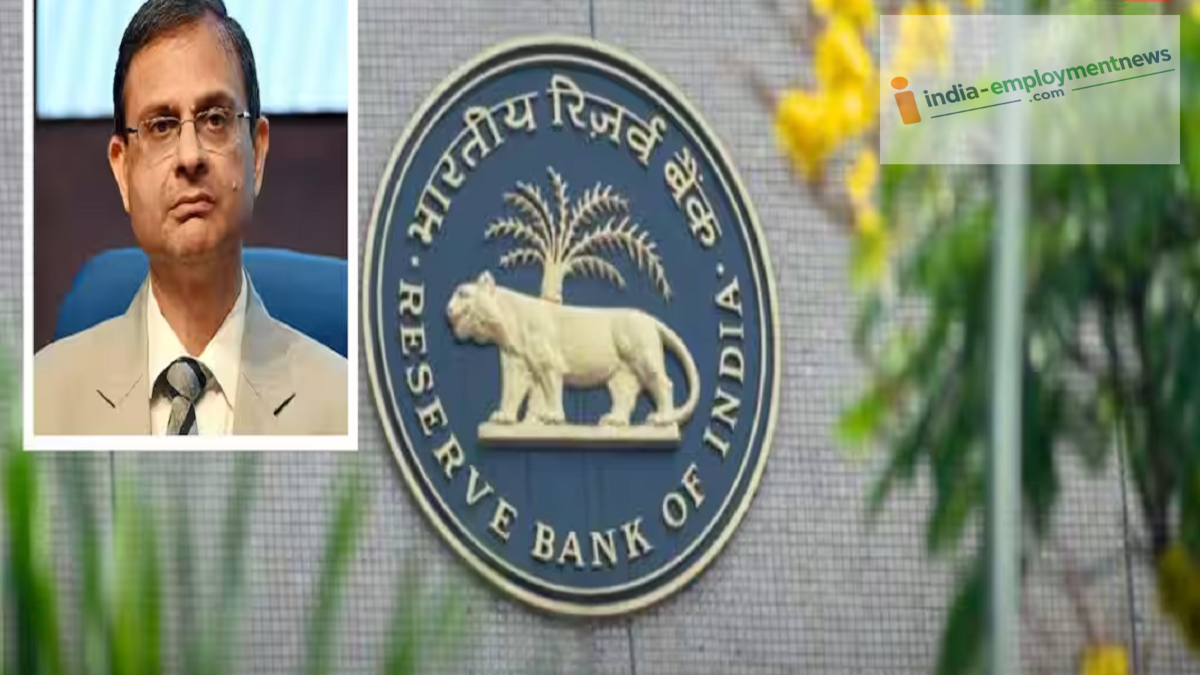
The Reserve Bank of India (RBI) has released a list of three banks, identifying them as the safest. This list includes one public sector bank and two private sector banks—all of which enjoy the RBI's trust.
People generally prefer to keep their savings in a bank rather than at home. This ensures the money remains secure while also earning interest. However, banks can face crises or even collapse, which could put your deposits at risk.
Nevertheless, under Indian government regulations, if a bank goes bankrupt, the DICGC (Deposit Insurance and Credit Guarantee Corporation)—a subsidiary of the RBI—guarantees the protection of deposits up to ₹5 lakh. This amount is typically disbursed within 90 days of a bank's failure.
If your account balance exceeds this limit, you are legally entitled to receive only up to ₹5 lakh. Any remaining funds may potentially be recovered depending on the outcome of the liquidation process—specifically, if surplus funds remain after the bank's assets are sold.
The 3 safest banks, as identified by the RBI:
1. State Bank of India (SBI) – The country’s largest public sector bank ranks at the top in terms of security.
2. HDFC Bank – The nation’s largest private sector bank has also earned the Reserve Bank’s confidence.
3. ICICI Bank – The second-largest private sector bank is also included in the RBI’s list of the safest banks.
Why are these three banks considered the safest?
According to the RBI, these institutions are classified as 'Domestic Systemically Important Banks' (D-SIBs). Their failure could have a severe impact on the entire financial system. Consequently, the RBI subjects these banks to much stricter oversight compared to other, ordinary banks. Even in the event of a major economic crisis in the country, the government and the RBI would, under no circumstances, allow these banks to fail, as their collapse could bring the entire national economy to a standstill. For this reason, these banks are subject to strict oversight.
They are also required to maintain higher capital levels and undergo regular 'stress tests.' The government and the RBI keep a close watch on their activities, balance sheets, and risk exposure. Consequently, if you wish to keep your hard-earned money in a fixed deposit (FD) or a savings account without any risk, these three banks can be considered the best and most reliable options.
