
No more shelling out for your preferred seat on flights! Starting April 20, 60% of seats will be free..
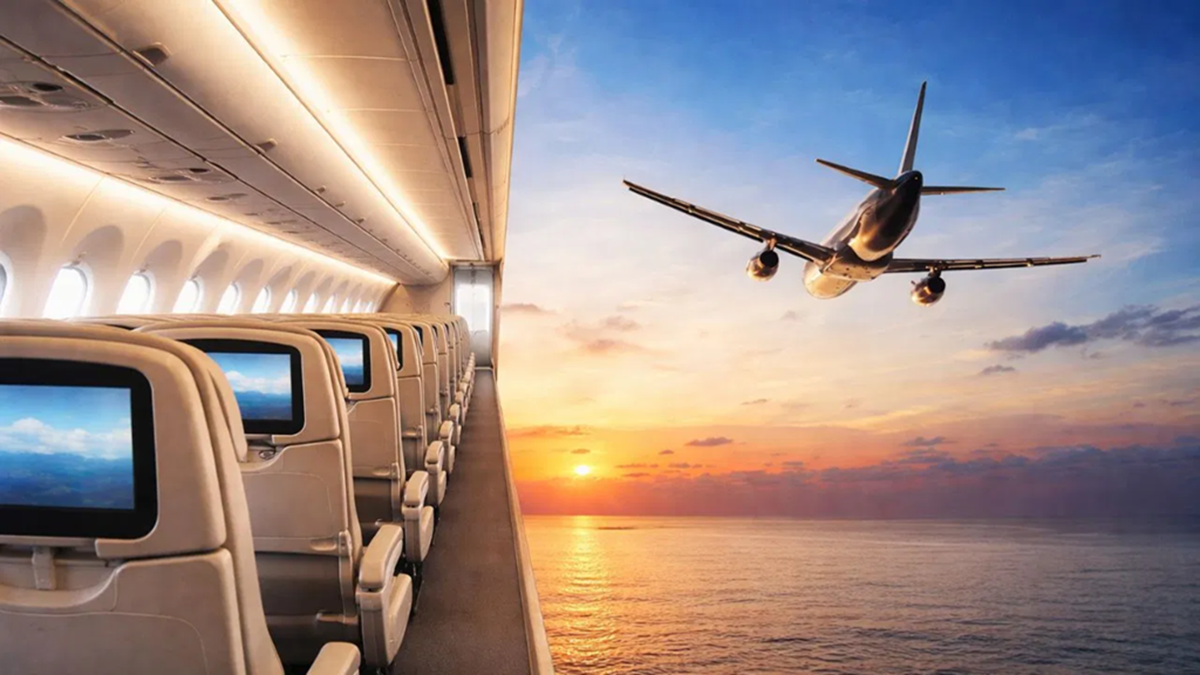
Often, when booking flight tickets, we have to pay extra money to select our preferred seats. Frequently, families traveling together incur unwanted expenses simply to fulfill their desire to sit next to one another. However, following a new directive from the Directorate General of Civil Aviation (DGCA), this scenario is now set to change. Starting April 20, airlines will be required to make at least 60 percent of the seats on their flights available without any additional charge—that is, for free.
Under the current system, only 20 percent of the seats on an aircraft can be booked free of cost. For the remaining 80 percent of seats, passengers are required to pay an additional amount out of their own pockets. This fee can range from ₹200 to ₹2,100, depending on the seat's location, legroom, and proximity to the front rows.
On March 18, the Ministry of Civil Aviation took strict measures to address this disparity. Following the Ministry's directives, the DGCA amended its Air Transport Circular on March 20. According to this newly revised circular, all airlines have now been issued clear instructions to make at least 60 percent of the seats on any given flight available free of charge. This rule will come into full effect exactly 30 days after the issuance of the circular—specifically, on April 20.
**Passengers with the Same PNR to Get Adjacent Seats**
The greatest beneficiary of this new rule will be families or groups traveling together. It has been a common complaint that, despite booking tickets under a single PNR (Passenger Name Record), passengers are often assigned seats in different corners of the aircraft. Taking cognizance of this issue, the aviation regulator has clarified that passengers sharing the same PNR should—insofar as is practically feasible—be allocated seats close to one another; specifically, adjacent seats within the same row. Furthermore, airlines are required to ensure complete transparency across their booking websites and platforms. It has also been made mandatory to transparently display on the website the fees associated with services for sports equipment or musical instruments, as well as the terms regarding liability in the event of damage to such items.
Will Airfares Rise?
While this decision has sparked a wave of relief among passengers, airlines, on the other hand, have registered strong objections to it. Approximately 500,000 passengers travel daily from Indian airports, and the revenue generated through seat selection constitutes a significant portion of the airlines' overall earnings.
In opposition to this decision, the Federation of Indian Airlines (FIA) wrote a letter to the Ministry of Civil Aviation on March 20. This federation comprises major airlines such as IndiGo, Air India, and SpiceJet. These airlines argue that if they are compelled to offer 60 percent of their seats free of charge, they will be unable to recoup their financial losses. The airlines have warned that, to recover this lost revenue, they may be forced to increase the basic airfares.
Disclaimer: This content has been sourced and edited from TV9. While we have made modifications for clarity and presentation, the original content belongs to its respective authors and website. We do not claim ownership of the content.
