
No More Paper: E-Cheques Are Coming! RBI Proposes Introduction in 'Payments Vision 2028' Document
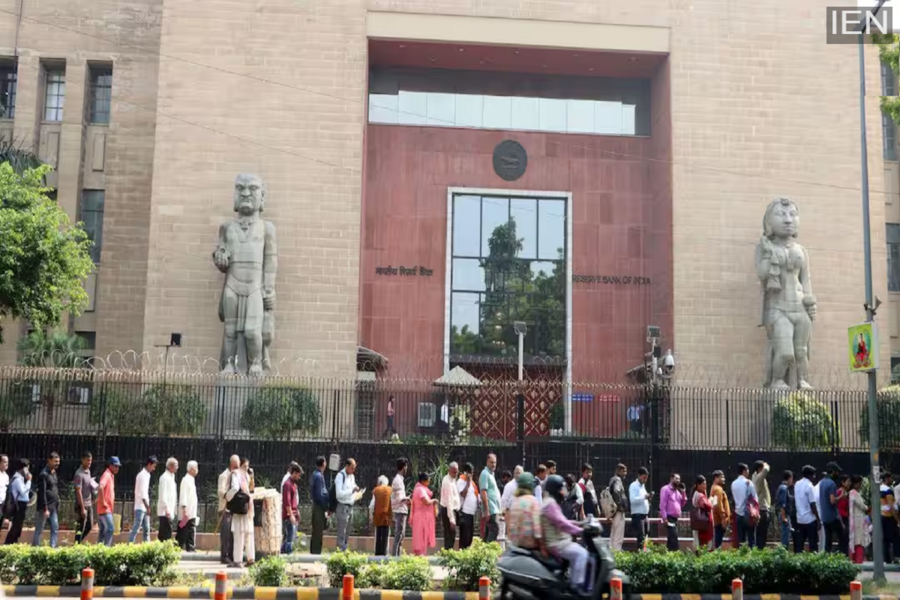
E-cheques: The Reserve Bank of India (RBI) has proposed the introduction of E-cheques (Electronic Cheques) to replace traditional paper-based cheques in its 'Payments Vision 2028' document.
E-cheques: The Reserve Bank of India (RBI) released its 'Payments Vision 2028' document on March 27, 2026. This document proposes the introduction of E-cheques (Electronic Cheques) as a substitute for traditional paper cheques. The objective is to make digital payments even easier, faster, and more secure.
The Reserve Bank stated that it would examine the feasibility of introducing E-cheques to combine the unique advantages of paper-based instruments with the speed and reliability of digital payments. The RBI noted, "To leverage the unique advantages of paper-based instruments alongside the speed and reliability of electronic payments—and to cater to new business use cases—the feasibility of introducing electronic cheques in India will be examined."
RBI's Broader Plan
The RBI plans to introduce 'E-cheques' in the near future by integrating the features of traditional cheques with digital technology. The aim is to accelerate cheque-based payments and minimize the potential for fraud. The RBI is also considering expanding its regulatory ambit to include entities such as e-commerce marketplaces and centralized platforms, which are playing an increasingly significant role in facilitating digital transactions.
The document states, "Furthermore, e-commerce marketplaces and centralized platforms are assuming significant responsibilities that could impact the proper functioning of the payments ecosystem. These aspects will be examined in detail, and if deemed necessary, the scope of direct regulation will be expanded to cover such entities." The central bank's objective behind this move is to ensure that all entities involved in the payments ecosystem remain accountable. Curbing Digital Fraud
The Vision Document also proposes granting users the facility to enable or disable transactions conducted through various digital payment methods—much in the same way that controls are currently available for card transactions. Just as debit or credit cards can presently be enabled or disabled via mobile apps, a similar facility is to be made available for all digital payment modes, such as UPI and Net Banking. This will enhance customer control over their transactions while simultaneously bolstering security.
To mitigate the risks associated with fraud, the RBI is contemplating a 'Shared Responsibility Framework.' Under this framework, in instances of unauthorized digital transactions, both the issuing bank and the beneficiary bank would share the liability. In other words, in cases of digital fraud, the customer's bank will no longer bear sole responsibility.
Other initiatives include exploring 'White-Label Solutions' within the 'Aadhaar Enabled Payment System' (AePS), developing interoperability within the 'Trade Receivables e-Discounting System' (TReDS), and introducing a 'Payments Switching Service' to facilitate seamless customer migration across different platforms.
