
No Cut in LPG Quantity: Government Dismisses Rumours of 10kg Gas in 14.2kg Cylinders
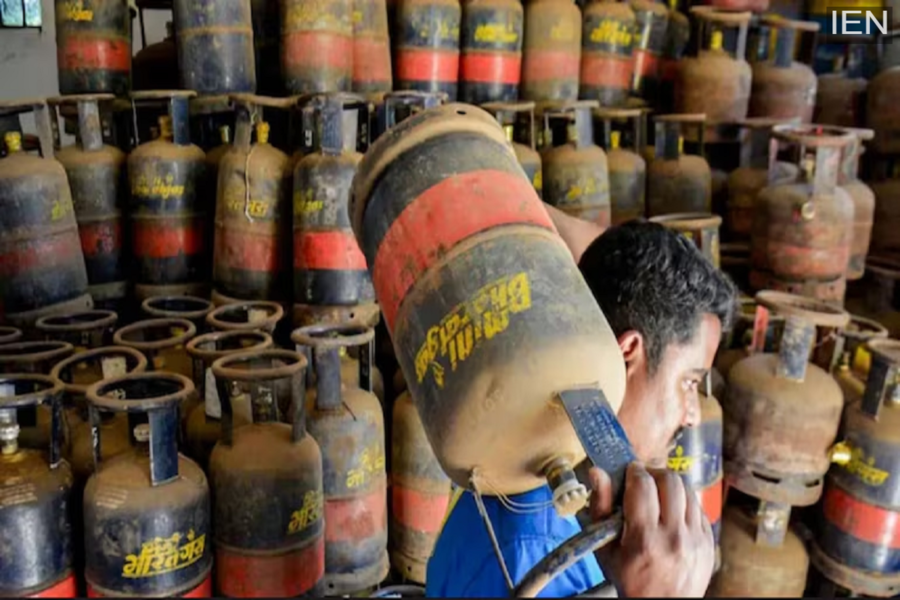
Amid rising concerns over LPG supply due to ongoing tensions in West Asia, the Government of India has issued a clear clarification regarding viral claims about reduced gas quantity in domestic cylinders. Reports suggesting that households might receive only 10 kilograms of gas instead of the standard 14.2 kg have been officially termed misleading and untrue.
Here’s a detailed breakdown of the situation, the government’s response, and what it means for consumers across the country.
Government Rejects Claims of Reduced LPG Filling
In recent days, several reports and social media discussions hinted that oil marketing companies could reduce the quantity of LPG in domestic cylinders to manage supply disruptions. However, the Petroleum Ministry has categorically denied these claims.
Officials have confirmed that there is no plan currently in effect to supply only 10 kg of LPG in place of the standard 14.2 kg cylinders. Consumers will continue to receive the full quantity as per existing norms.
While it is true that certain oil companies have explored alternative supply strategies and submitted proposals for consideration, no final decision has been taken. The government has made it clear that any such move would only be implemented after careful evaluation and official approval.
Why Did These Rumours Spread?
The speculation around LPG supply originated due to the ongoing geopolitical instability in West Asia. The region plays a crucial role in global oil and gas supply, and any disruption there tends to create ripple effects worldwide.
In particular, the Strait of Hormuz—a vital route for transporting crude oil and LPG—has seen reduced movement of cargo vessels due to security concerns. Since India imports nearly 60% of its LPG requirement, even minor disruptions can raise concerns about availability and pricing.
This situation led to assumptions that supply shortages could force companies to reduce cylinder filling. However, authorities have now clarified that such steps are not being implemented at present.
LPG Supply Remains Stable in India
Despite global uncertainties, the government has reassured citizens that LPG supply in India remains stable and sufficient. There is no immediate need for panic buying or stockpiling.
Interestingly, officials also pointed out that the number of refill bookings has declined in recent times, dropping to around 50 lakh. This indicates that demand is currently manageable and does not reflect any major shortage.
Additionally, domestic LPG production has been increased significantly. Reports suggest that nearly 50–60% of the country’s LPG needs are now being met through local production, reducing dependency on imports to some extent.
Monitoring Global Situation Closely
Authorities are actively monitoring developments in West Asia, especially the movement of LPG cargo ships in the Gulf region. Some shipments are currently delayed or stationed in nearby waters, but there is no indication of a severe supply disruption yet.
The government’s priority is to ensure uninterrupted supply for domestic consumers. Necessary steps are being taken to manage logistics, diversify supply sources, and maintain adequate reserves.
What Should Consumers Do?
For now, consumers are advised to stay calm and rely on official updates rather than unverified news or social media claims. There is no change in LPG cylinder weight or supply policy at this stage.
Booking systems are functioning normally, and deliveries are continuing without interruption in most parts of the country.
Conclusion
While global tensions have understandably raised concerns about energy supply, the Indian government has firmly denied any plans to reduce LPG quantity in domestic cylinders. The standard 14.2 kg cylinder remains unchanged, and supply conditions are currently stable.
Consumers can continue using LPG services as usual without worrying about reduced gas quantity. Authorities remain vigilant and prepared to act if the situation evolves, but for now, there is no cause for concern.
