
No CNG without a certificate; IGL has changed the rules—here’s what you need to know..
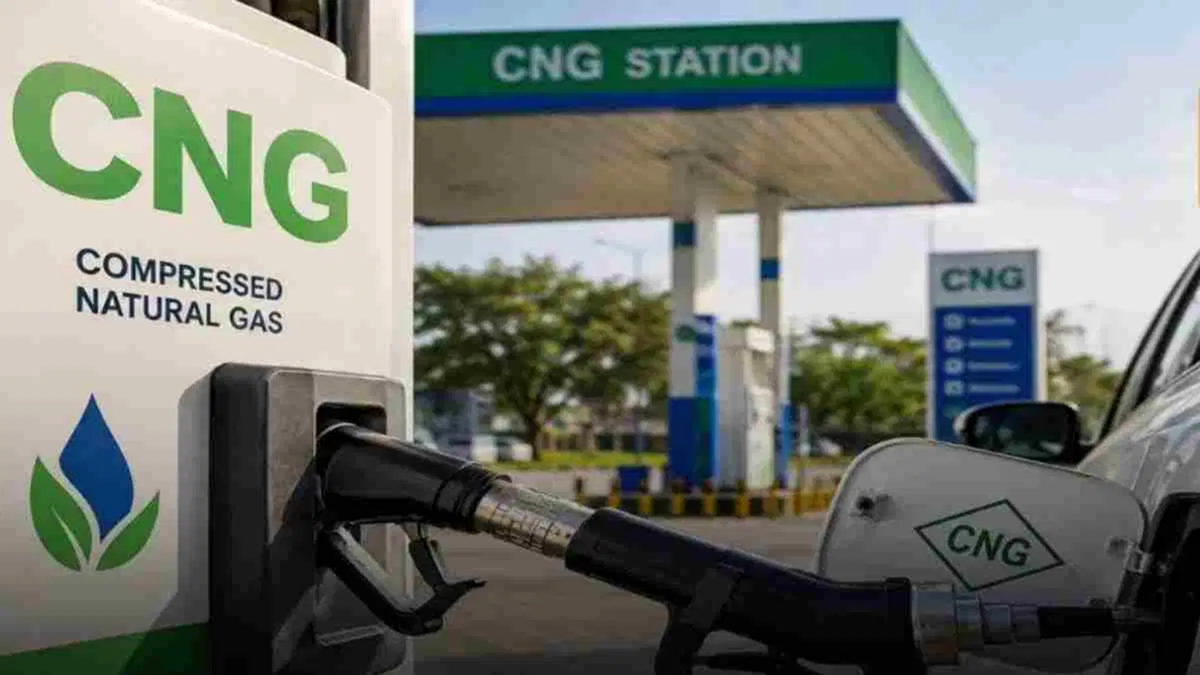
Regulations are being tightened following an accident at a CNG station in Delhi some time ago. Gas company Indraprastha Gas Limited (IGL) has also revised its rules in response. IGL had previously issued a notification regarding these changes, mandating safety checks for CNG cylinders and stating that CNG would only be supplied to vehicles that had completed these inspections. Now, IGL has explicitly stated that CNG will not be dispensed unless a valid hydro-test certificate for the CNG cylinder is presented.
While a new registration plate is affixed to the cylinder after a hydro-test, IGL now insists that the actual certificate must also be produced. However, many customers have complained that this requirement causes them inconvenience at CNG stations.
Customers have pointed out that those who underwent hydro-testing two or three years ago might not necessarily possess the certificate, as such a requirement did not exist previously. A question also arises: if someone can fabricate a hydro-test plate, couldn't they also forge the certificate? To address this, IGL is implementing a high-tech verification process at its gas stations.
**Automatic Detection of Fraudulent Hydro-Tests**
Indraprastha Gas Limited (IGL) has launched a technology-enabled automated vehicle identification and verification system at 10 of its CNG stations to detect vehicles with fraudulent hydro-test records. This system matches vehicle registration details with CNG cylinder hydro-test certification records, making it easier to identify vehicles with expired or invalid hydro-test certificates.
**How Identification Works**
This technology first uses cameras to capture the vehicle's registration number. Subsequently, the registration details are processed via an AI-based application that links the vehicle to its CNG cylinder. It then verifies the status of the cylinders—whether valid or expired—through the online portal of the Petroleum and Explosives Safety Organization (PESO). In accordance with Rule 35, Sub-rule (1) of the Gas Cylinder (Amendment) Rules, 2025, every CNG cylinder must undergo a hydrostatic test once every three years at a PESO-approved cylinder testing center.
What is a hydrostatic test?
It is mandatory to conduct a hydrostatic test on the CNG cylinder used in a vehicle. This test assesses the structural integrity and checks for gas leaks in pressure-bearing components such as the CNG cylinder, pipes, and tank. It ensures a comprehensive safety check of your CNG cylinder. If the hydrostatic test for your vehicle has expired, CNG cannot be refilled in the vehicle. Please note that the hydrostatic test for CNG cylinders is required every three years.
Disclaimer: This content has been sourced and edited from NDTV India. While we have made modifications for clarity and presentation, the original content belongs to its respective authors and website. We do not claim ownership of the content.
