
NHAI Simplifies FASTag Rules: KYV Process for New Cars to End from February 1, 2026
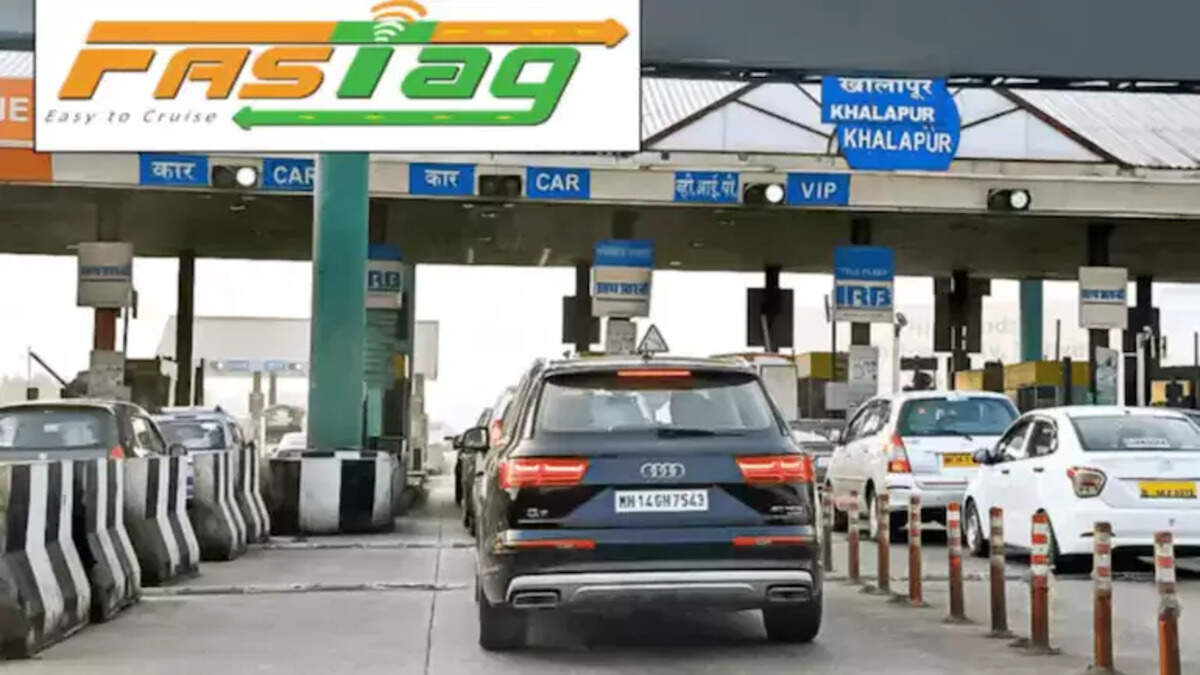
In a major relief for vehicle owners, the National Highways Authority of India (NHAI) has announced a significant change in the process of issuing FASTags for new vehicles. Starting February 1, 2026, the mandatory Know Your Vehicle (KYV) verification process will be discontinued for new cars, jeeps, and vans. This move is expected to make FASTag issuance faster, smoother, and far less cumbersome for millions of motorists across the country.
What Is the KYV Process and Why It Mattered
Until now, the KYV process was a compulsory step while issuing a new FASTag. Even after a FASTag was activated, vehicle owners often had to go through additional verification and follow-ups to complete KYV validation. This frequently caused delays, confusion, and inconvenience, especially for new car buyers who expected seamless activation at the time of purchase.
The KYV requirement was introduced to prevent misuse, duplication, and incorrect tagging of vehicles. However, over time, it became a pain point rather than a safeguard, as most vehicle details were already available in official databases.
Recognising this issue, NHAI has decided to overhaul the system to improve efficiency and user experience.
What Will Change from February 1, 2026
From the new deadline onward, KYV validation will no longer be required for issuing new FASTags. Instead, banks and authorised FASTag issuers will verify vehicle details directly from the official vehicle database before activation.
Here is how the updated process will work:
-
Vehicle details will be checked in the central database before FASTag activation.
-
FASTag will be activated only after successful data validation.
-
Post-activation KYV checks will no longer be allowed.
-
If vehicle data is not available digitally, verification will be done using the Registration Certificate (RC).
-
The issuing bank or agency will bear full responsibility for correct verification.
-
The same rules will apply to FASTags purchased both offline and online.
This change is expected to significantly reduce processing time and eliminate unnecessary follow-ups for new FASTag users.
What About Existing FASTag Users
Existing FASTag holders will also benefit from this decision. NHAI has clarified that routine KYV checks will not be required for already-issued FASTags, provided there are no complaints or irregularities.
KYV verification will now be conducted only in specific cases, such as:
-
Complaints of incorrect FASTag issuance
-
Suspected misuse or fraud
-
Loose or improperly fixed FASTags
Earlier, even compliant users had to undergo repeated checks, leading to frustration. The revised policy ensures that only problematic cases are reviewed, while genuine users are left undisturbed.
Key Points Vehicle Owners Should Keep in Mind
Although the KYV process is being discontinued, vehicle owners must still ensure that their documentation is accurate and up to date. Any mismatch in vehicle registration details during digital verification could delay FASTag issuance.
Experts advise motorists to:
-
Keep vehicle registration details updated
-
Ensure RC data matches the vehicle number and class
-
Regularly check FASTag balance to avoid toll issues
Failure to maintain sufficient balance can still result in penalties or double charges at toll plazas.
A Step Towards Smoother Highway Travel
FASTag has already transformed toll collection, making it nearly 98 percent digital and significantly reducing congestion at toll plazas. By removing the KYV bottleneck, NHAI aims to further streamline highway travel, cut waiting times, and improve overall efficiency.
This reform aligns with broader digital governance initiatives and reflects a shift towards trust-based, data-driven verification systems. For everyday commuters and long-distance travellers alike, the new rules promise a faster, hassle-free FASTag experience.
Final Takeaway
The decision to end the KYV process for new FASTags marks a major operational improvement in India’s toll collection system. With fewer checks, quicker activation, and reduced paperwork, both new and existing vehicle owners stand to benefit.
As the new rules come into effect from February 1, 2026, motorists can expect smoother journeys, shorter queues, and a more user-friendly FASTag system on national highways.
