
NHAI Discontinues Free Passes on This Highway; Rs 85 Toll Now Applicable Per Trip
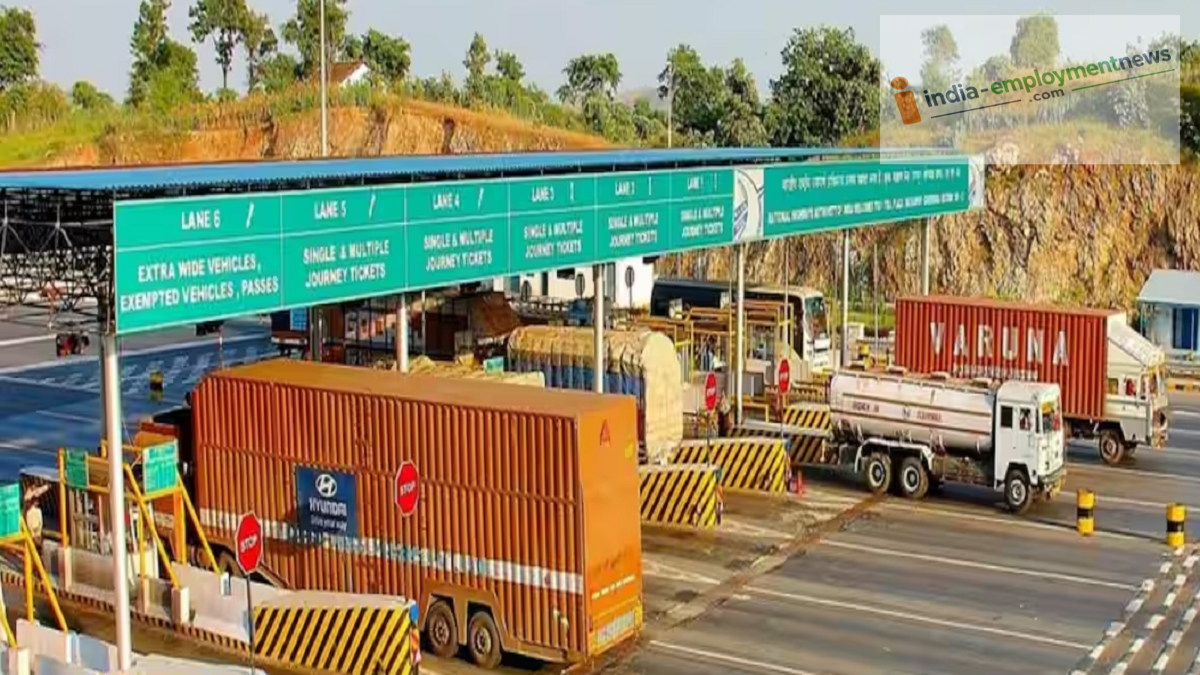
With the discontinuation of the free pass facility on the Kota-Bundi Hanging Bridge, car drivers will now be required to pay a toll of Rs 85 for every crossing. Learn about the NHAI’s new rules for local passes and the terms and conditions for annual passes.
If you frequently travel between Kota and Bundi in Rajasthan, you may now face an increased financial burden due to toll charges. The free pass facility previously available to motorists using the Hanging Bridge over the Chambal River in Kota has been withdrawn. Consequently, car drivers must now pay a toll of Rs 85 each time they cross this bridge. This means that those who use this route daily will see their monthly travel expenses rise.
This change is likely to cause particular inconvenience to individuals who travel frequently between Kota and Bundi for work, business, or other essential purposes. Previously, they were exempt from the toll and did not have to pay for each trip; now, they will need to factor this cost into their travel budget.
Where will the Rs 85 toll be charged?
The Hanging Bridge, located on National Highway-27 between Kota and Bundi, spans the Chambal River. It is a vital link for travelers on this route, helping to save time and reducing traffic congestion on other city roads.
Following the removal of the free pass facility at the bridge’s toll plaza, motorists are now required to pay a toll. A charge of Rs 85 applies to each crossing by car. For instance, if a person travels back and forth daily, the cost would amount to Rs 170 per day. Over the course of 25 days in a month, this could total Rs 4,250.
What will be the impact on people's pockets? This change will primarily affect those who travel daily between Kota and Bundi for work or business. Previously, they were exempt from toll charges thanks to a free pass; now, they will be required to pay each time they cross.
For instance, a car driver crossing the bridge twice a day—once to go and once to return—will have to pay ₹170. If this is done for 20 days a month, the total cost would amount to ₹3,400. In other words, individuals may need to set aside a significant sum each month solely for toll payments.
What else is included in the new NHAI regulations?
Meanwhile, the NHAI has introduced a discounted annual 'local pass' for residents living near toll plazas, effective from November 1, 2026. Under this scheme, individuals residing within a 20-kilometer radius of a toll plaza can obtain an annual pass for their non-commercial vehicles. The cost is ₹1,500 per year for toll plazas located outside municipal or local urban limits, and ₹3,000 per year for those situated within urban limits.
However, this pass is not available to everyone. A valid and active FASTag on the vehicle is mandatory. The pass will be valid only for the specific toll plaza for which it was issued. Furthermore, this discounted pass cannot be availed if an alternative route—such as a service road—is available for the journey.
