
New Year Rule Changes: 9 Major Economic Shifts From January 1, 2026 That Will Impact Your Daily Life
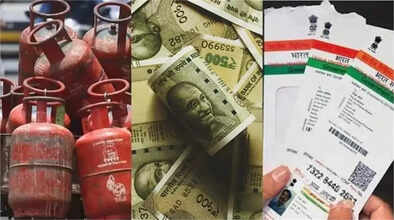
As 2025 comes to an end, several major regulatory and financial changes are set to take effect across India from January 1, 2026. From banking and taxation to LPG prices and PAN-Aadhaar linking, these new rules will directly influence the income, expenses and lifestyle of common citizens. Here’s a detailed look at the nine big changes that will come into force with the beginning of the new year.
1️⃣ PAN-Aadhaar Linking Becomes Mandatory
The deadline to link PAN with Aadhaar ends in December 2025.
If the two documents remain unlinked:
-
PAN will be deactivated from January 1, 2026
-
Filing ITR, receiving tax refunds and accessing key banking services will become impossible
-
Various government schemes and high-value financial transactions may be blocked
To avoid disruption, taxpayers must complete the linking process before year-end.
2️⃣ Stricter Rules for UPI, SIM Verification and Messaging Apps
To curb the rising threat of digital frauds, the government and banks are tightening:
-
UPI security protocols
-
Verification norms for SIM cards
-
Identity checks on messaging apps like WhatsApp, Telegram and Signal
These measures will enable stricter monitoring of suspicious transactions and communication channels.
3️⃣ New Loan and FD Interest Rates
Major banks including SBI, PNB and HDFC Bank have announced revised:
-
Loan interest rates — likely to benefit borrowers
-
Fixed deposit rates — offering updated returns to investors
These changes will be effective from January 1, ensuring better financial planning opportunities for both borrowers and savers.
4️⃣ LPG Cylinder Price Revision
LPG prices will be reviewed again on January 1.
A price hike or reduction may be announced, influencing household budgets.
Recently, commercial LPG cylinder prices were reduced by ₹10, bringing the Delhi rate to ₹1,580.50.
5️⃣ CNG, PNG and ATF Rate Updates
Along with LPG, prices of:
-
CNG (Compressed Natural Gas)
-
PNG (Piped Natural Gas)
-
ATF (Aviation Turbine Fuel)
will also be revised in line with market fluctuations. ATF prices depend heavily on global crude markets and aviation demand.
6️⃣ New Income Tax Act Rollout Preparations
Although the new Income Tax Act, 2025 will fully replace the existing law from April 1, 2026, the government may notify:
-
New ITR forms
-
Updated tax assessment rules
in January itself. The aim is to make tax filing simpler and more transparent for taxpayers.
7️⃣ Implementation of the 8th Pay Commission
The 8th Central Pay Commission is expected to be considered effective from January 1, 2026.
This means:
-
Revised salaries for government employees
-
Enhanced pensions for retired staff
The 7th Pay Commission tenure ends on December 31, 2025, paving the way for the new revision cycle.
8️⃣ New Rules for Farmers
Major updates include:
-
Unique Farmer ID mandatory to avail PM-Kisan benefits in states like Uttar Pradesh
-
Claims under PM Fasal Bima Yojana will now include crop damage caused by wild animals, if reported within 72 hours
The objective is better transparency and improved welfare reach.
9️⃣ Vehicle Price Hike
Multiple automobile brands will increase prices from January 1, including:
-
Nissan, BMW, JSW MG Motor, Renault, Ather Energy
→ Hike: ₹3,000 to 3% -
Tata Motors & Honda may also follow
Rising input and production costs are the key reasons behind the hike.
✔ What It Means for You
With these new rules:
-
Daily expenses may rise due to revised fuel and vehicle rates
-
Banking and tax compliance norms will tighten
-
Salaried employees may gain from Pay Commission benefits
-
Farmers receive improved insurance protection
These changes collectively mark a significant start to 2026, making it crucial for individuals and businesses to stay informed and prepared.
