
New WhatsApp Scam: Replying 'No' Could Empty Your Bank Account—How Can You Stay Safe?
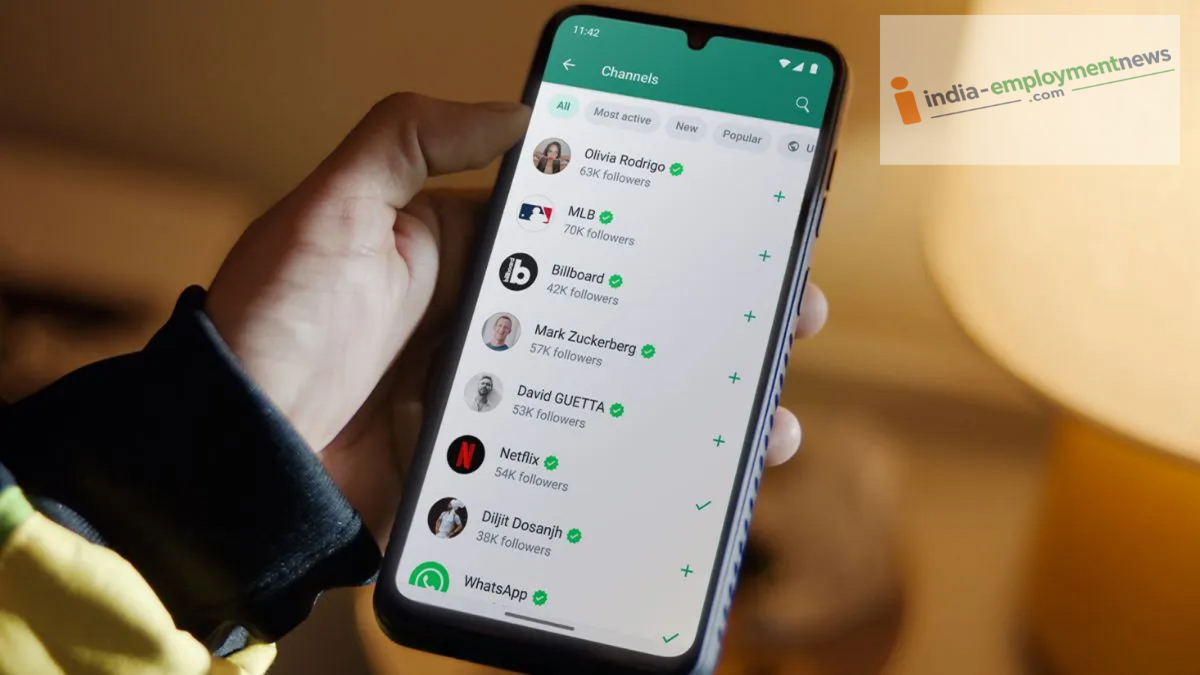
A new type of scam on WhatsApp has become a cause for concern. This scam can occur even without the sharing of an OTP or password, making it essential for users to exercise extra caution.
Millions of WhatsApp users need to be wary of this new scam. Simply replying 'No' to a message received on WhatsApp could lead to your bank account being completely emptied. The Hyderabad Police in Telangana have issued a warning regarding this. Recently, a chartered accountant lost lakhs of rupees due to this scam. According to reports, the Hyderabad Police Commissioner has urged the public to remain vigilant and has provided advice on how to avoid falling victim.
Fraud Occurring Without Sharing OTPs or Passwords
According to the Hyderabad Police, fraudsters are currently targeting individuals using this new method. Hyderabad City Police Commissioner VC Sajjanar warned that one can become a victim of cyber fraud in this scam without ever sharing an OTP or clicking on a suspicious link. This makes the scam particularly dangerous; a single small mistake could cost you your life's savings.
How Does the WhatsApp 'No' Scam Work?
Fraudsters send messages to users via WhatsApp from international or unknown numbers. These messages contain hidden links or malware that get activated the moment you reply. Once the malware is active, it steals personal information from your phone and can silently drain your bank account. In this process, scammers bypass the need for an OTP or password to breach your account, often leaving the victim unaware that a theft has occurred.
The message you receive on WhatsApp typically claims that money has been deducted or debited from your account. If you have not made a transaction, do not reply 'No'. By replying 'No', people end up granting hackers access to their phones, subsequently falling victim to cyber fraud.
How can you stay safe?
To avoid such scams, you should not engage with or respond to messages received from international or unknown numbers.
If you suspect a scam, immediately call the cyber helpline number 1930 to file a complaint. Alternatively, you can report it via the 'Sanchar Saathi' app or website.
Additionally, consider installing antivirus software on your phone. It will help block any viruses or malware, preventing unauthorized access to your device and protecting you from fraud.
