
New PAN Card Rules 2026: Aadhaar Alone Will No Longer Suffice; Justification Required for Cash Transactions Exceeding ₹10 Lakhs
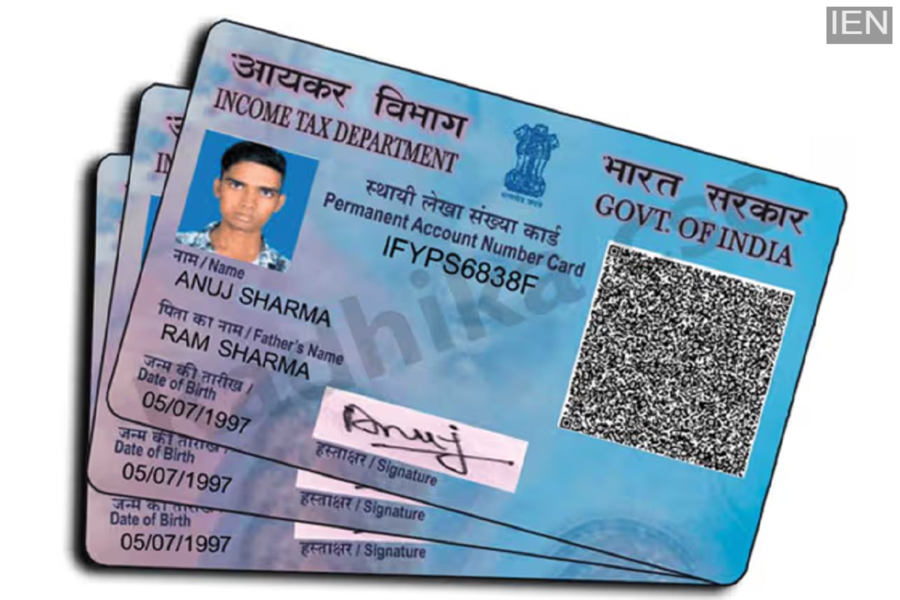
Rules Change: The landscape of PAN card regulations has shifted starting April 1st! Additional documents will now be required for applications. Learn about the new rules regarding property, insurance, and cash transactions exceeding ₹10 lakhs.
Rules Change: If you are planning to apply for a new PAN card or are about to undertake a major banking transaction, take note. Revolutionary changes have been introduced to PAN card regulations effective April 1st. Now, relying "solely on Aadhaar" will no longer be sufficient to obtain a PAN card; you will also be required to submit other proofs of age and identity. Furthermore, the thresholds regarding the mandatory requirement of a PAN card—ranging from purchasing property to settling hotel bills—have also been revised. The primary objective of these regulations is to enhance transparency within the financial system and curb *benami* (proxy) transactions.
Major Changes in Application Rules
Until now, obtaining a PAN card using an Aadhaar card was a remarkably simple process; however, security and verification protocols have now been significantly tightened:
- Mandatory Additional Documents: Relying solely on Aadhaar will no longer suffice. Along with your application, you must now submit supporting documents such as a Birth Certificate, Voter ID, Passport, Driving License, or Class 10 Marksheet.
- Name Matching: The name printed on your PAN card will strictly mirror the name recorded on your Aadhaar card. Even a single-letter discrepancy between the two could lead to the rejection of your application.
- New Forms: The government is poised to release new and updated application forms for PAN cards in the near future.
Key Changes
- Banking Transactions: Previously, a PAN card was required for cash deposits exceeding ₹50,000 in a single day; however, the government will now monitor aggregate cash transactions totaling ₹10 lakhs over the course of an entire financial year. This measure is designed to facilitate the prevention of tax evasion.
- Property Market: The threshold for property-related transactions has been raised from ₹10 lakhs to ₹20 lakhs. While this offers some relief to small-scale buyers, scrutiny over larger property deals will remain rigorous. Insurance: To enhance transparency within the insurance sector, it is now mandatory to provide your PAN details at the very inception of a policy—regardless of how low the premium amount may be.
New Rules Regarding the Use of PAN Cards
| Transaction Type | New Rule (Effective from April 1) | Old Rule |
|---|---|---|
| Annual Cash Transactions | PAN is mandatory for deposits/withdrawals of ₹10 lakh or more in a year | PAN required for transactions of ₹50,000 in a single day |
| Property (Purchase/Sale) | PAN is mandatory for transactions above ₹20 lakh | PAN required above ₹10 lakh |
| Vehicle Purchase | PAN is mandatory for purchases above ₹5 lakh | PAN required for all vehicles (uncertain/varied rules) |
| Insurance Policy | PAN must be provided at the time of purchasing the policy, regardless of premium amount | Not applicable |
| Hotel/Event Bills | PAN required for cash payments exceeding ₹1 lakh | PAN required above ₹50,000 |
