
New NHAI guidelines regarding national highways; to apply to 4-lane and 6-lane roads..
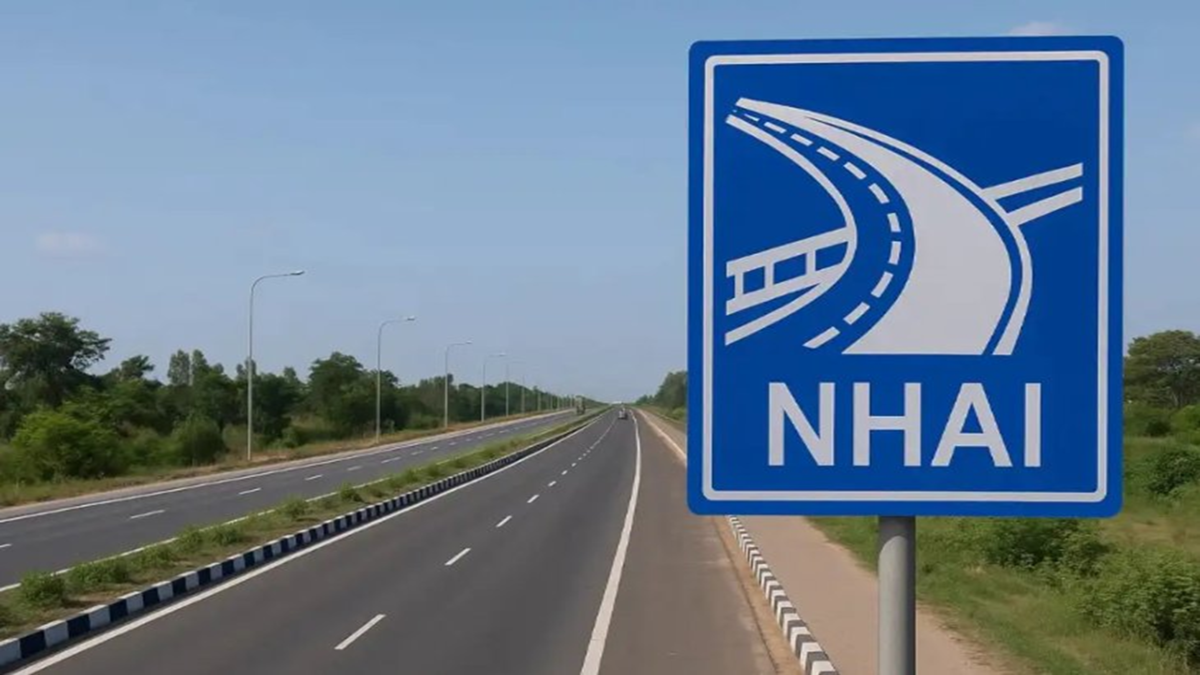
The National Highways Authority of India (NHAI) has issued directives regarding the planning and design of high-speed, access-controlled National Highways (NH). On Monday (September 21), the NHAI stated that to ensure the seamless movement of vehicles, the number of lanes and structural specifications for high-speed National Highways will be standardized based on detailed traffic assessments. These rules will apply to high-speed National Highways in addition to expressways.
Regarding the guidelines, the NHAI stated that the objective is to bring uniformity to the standards for preparing Detailed Project Reports (DPRs) for such highway corridors, ensure consistency in technical standards, enhance road safety, and improve the operational efficiency of the National Highway network.
**Roads to which the new guidelines will apply**
The new NHAI guidelines will apply to all 4-lane and 6-lane high-speed, access-controlled National Highways—whether they are 'greenfield' projects (built on new alignments) or 'brownfield' projects (upgraded from existing highways).
The NHAI noted that, apart from expressways, there were previously no distinct standards or specific directives for the planning and design of high-speed, access-controlled National Highways. Varied standards were being adopted for preparing DPRs for such corridors. The new guidelines will provide a uniform framework for technical and safety provisions.
**What the rules entail**
The NHAI stated that under these guidelines, the lane configuration and width of the highways will be determined based on traffic volume. For corridors with a traffic volume of up to 15,000 vehicles, the width will be 60 meters for 4-lane highways and 4-lane configurations. The Authority stated that for corridors with traffic ranging from 15,000 to 25,000 vehicles, the width will be 70 meters for 4-lane highways and 6-lane configurations.
Meanwhile, for corridors with traffic between 25,000 and 40,000 vehicles, the width will be 70 meters for 6-lane highways and 6-lane configurations. The NHAI stated that ramped interchanges would be constructed at the junctions of expressways, national highways, state highways, and other key high-traffic routes. Such facilities will also be provided on roads connecting to high-traffic hubs such as ports, airports, multi-modal logistics parks, industrial zones, and major tourist destinations.
To regulate vehicle entry and exit on highways and prevent encroachment, the guidelines mandate the construction of a one-meter-high wall along the outer edge of the corridor.
The NHAI noted that constructing this wall along the highways would help prevent unauthorized access and stop stray animals from entering the high-speed corridors.
Disclaimer: This content has been sourced and edited from NDTV India. While we have made modifications for clarity and presentation, the original content belongs to its respective authors and website. We do not claim ownership of the content.
