
New Labour Codes Now in Effect: Major Changes Coming to Your Salary Slip, Work Hours and Employee Benefits
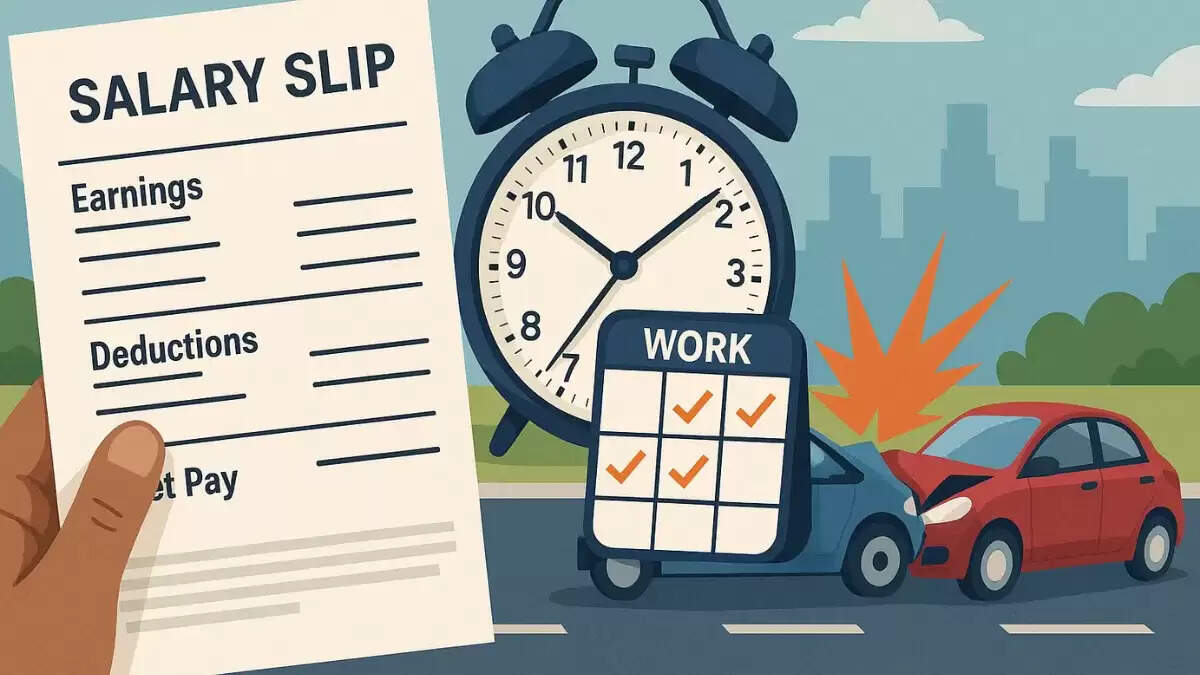
India’s revamped labour regulations came into force across the country on November 21, 2025, bringing some of the biggest updates employees have seen in decades. The introduction of the four new Labour Codes — covering wages, social security, industrial relations and occupational safety — will directly impact salary structure, working hours, gratuity rules, minimum wages and even accident coverage during commute.
As companies begin updating their HR policies and payroll systems, employees are set to notice a noticeably different salary slip and possibly a revised work schedule starting this month. Here’s a detailed look at the five biggest changes and what they mean for the Indian workforce.
1️⃣ Salary Structure: Higher Social Security, Lower Take-Home in Some Cases
Under the new rules, Basic Salary must be at least 50% of the total CTC. This category will include:
-
Basic Pay
-
Dearness Allowance (DA)
-
Retaining Allowance
Earlier, many organisations kept a large portion of income under allowances to minimize PF deductions. That changes now.
📌 Impact on Employees
✔ More money will accumulate in the Provident Fund
✔ Gratuity amount will be higher at the time of exit or retirement
✘ Some employees may see reduced in-hand salary if the company does not raise total CTC
Overall, this aims to improve social security and long-term financial stability for workers.
2️⃣ Gratuity Eligibility Reduced to One Year for Fixed-Term Employees
A major relief is coming for workers on contracts — especially across IT, manufacturing, logistics, media, and retail sectors.
Earlier, employees received gratuity only after completing five years of continuous service. Now:
➡ Fixed-term employees can earn gratuity after just one year.
This enhances benefits for lakhs of professionals working on short-duration employment contracts.
3️⃣ Minimum Wages Applicable Nationwide
Minimum wage norms will now be standardized:
✔ The Central Government will set a national floor wage
✔ Employers cannot pay below this benchmark
Workers in retail, small industrial units, construction sites and informal sectors are expected to benefit significantly.
4️⃣ Flexible Working Hours and New Overtime Rules
The weekly working limit remains 48 hours, but distribution becomes flexible:
Possible schedules:
-
4 days × 12 hours
-
5 days × 9.5 hours
-
6 days × 8 hours
Employees opting to work longer shifts can enjoy more weekly holidays.
Also, companies may now allow higher overtime limits than before — and OT continues to be paid at twice the regular rate.
5️⃣ Commute Accidents Also Count as Workplace Accidents
A widely welcomed change is improved safety and compensation coverage:
-
Accidents while traveling to and from work can now be treated as workplace accidents (subject to conditions)
-
ESI coverage can expand across all Indian states, including small units and hazardous job environments
This ensures broader protection for employees and their families.
What Should Employees Do Now?
✔ Check your salary slip — ensure Basic is ≥ 50% of CTC
✔ Ask HR about changes in PF and gratuity contributions
✔ Ensure you have a valid appointment letter — now legally mandatory
✔ Stay updated on company policy regarding working hours and overtime
Final Takeaway
The new Labour Codes aim to create a balanced, transparent, and future-ready work environment. While take-home salary might dip for some, the long-term gains in retirement benefits, social security and workplace safety are expected to be substantial.
How smoothly Indian employees benefit will depend on how effectively states and employers adopt the rules in the coming months.
