
New Labour Codes from April 1? Big Changes in Overtime, Work Hours & Social Security Explained
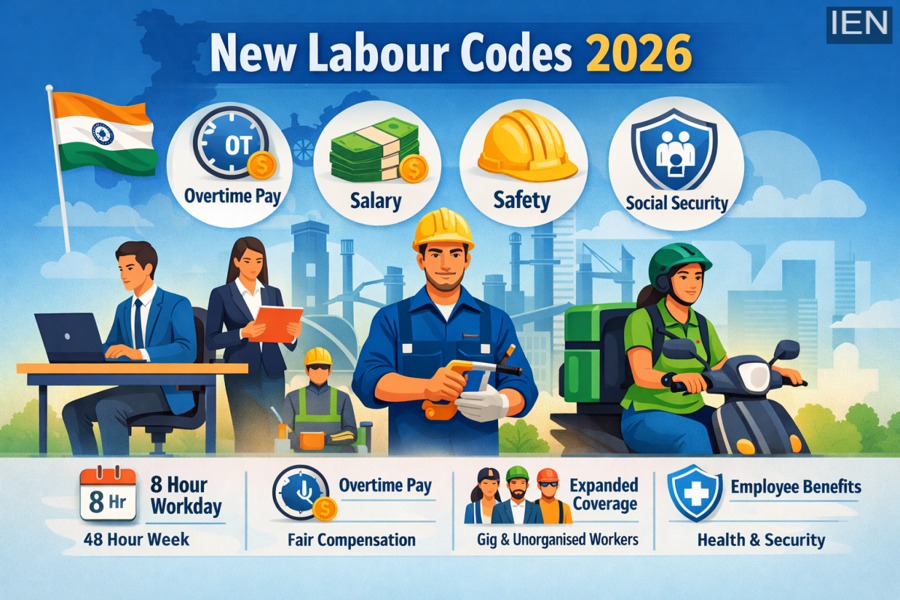
India may be on the verge of a major transformation in its employment framework, as the government is expected to roll out new labour codes from April 1, 2026. These reforms aim to simplify existing laws, improve worker protection, and expand social security coverage across sectors.
If implemented, these changes could impact millions of employees—from office professionals to gig workers—reshaping how jobs, salaries, and benefits are structured.
What Are the New Labour Codes?
The government has consolidated 44 existing labour laws into four simplified codes:
- Code on Wages
- Code on Social Security
- Industrial Relations Code
- Occupational Safety, Health and Working Conditions Code
These reforms are designed to create a more streamlined and transparent system for both employers and employees.
Will Working Hours Change?
One of the biggest concerns among employees has been about working hours.
👉 The good news is:
- Daily working hours will remain 8 hours
- Weekly limit stays capped at 48 hours
So, there is no increase in standard working time.
However, the structure of work may become more flexible, allowing companies to introduce different work schedules depending on business needs.
Overtime Rules to Become More Structured
The new labour codes are expected to bring clarity and fairness to overtime policies:
- Companies can offer overtime based on workload
- Employees will receive proper compensation for extra hours
- Rules will align with international standards
This ensures that additional work is fairly rewarded and regulated.
Massive Expansion of Social Security Coverage
A key objective of the reforms is to bring more workers under social protection.
- The government aims to cover up to 100 crore workers
- Currently, around 94 crore workers are included
- Coverage will expand to:
- Gig workers
- Platform workers
- Self-employed individuals
- Unorganized sector workers
This is a major step toward inclusive growth and financial security.
Equal Pay and Worker Protection Get a Boost
The new codes emphasize fairness and transparency:
- Equal pay for equal work will be strictly enforced
- Mandatory appointment letters for all employees
- Improved workplace safety standards
These measures aim to formalize employment and reduce exploitation.
New Opportunities for Women Employees
The reforms also focus on gender inclusivity:
- Women can work in all shifts, including night shifts
- Employers must ensure adequate safety arrangements
- Equal opportunities across roles and sectors
This could significantly boost female workforce participation.
Health Benefits for Employees
Under the new framework:
- Employees aged 40 and above may get annual free health check-ups
- Focus on long-term employee well-being
This is expected to improve workplace health standards.
What Will Actually Change for You?
While working hours remain unchanged, the real impact will be seen in:
✔ More structured overtime policies
✔ Better job security and documentation
✔ Wider access to social security benefits
✔ Improved workplace safety and equality
Final Takeaway
The new labour codes aim to modernize India’s employment ecosystem by making it more transparent, flexible, and inclusive. While the core working hours stay the same, the way work is managed—and how employees are protected—will see significant improvements.
If implemented from April 1, 2026, these changes could redefine the future of work in India.
