
New Income Tax Draft Rules May Remove PAN Requirement for Property Deals Below ₹20 Lakh
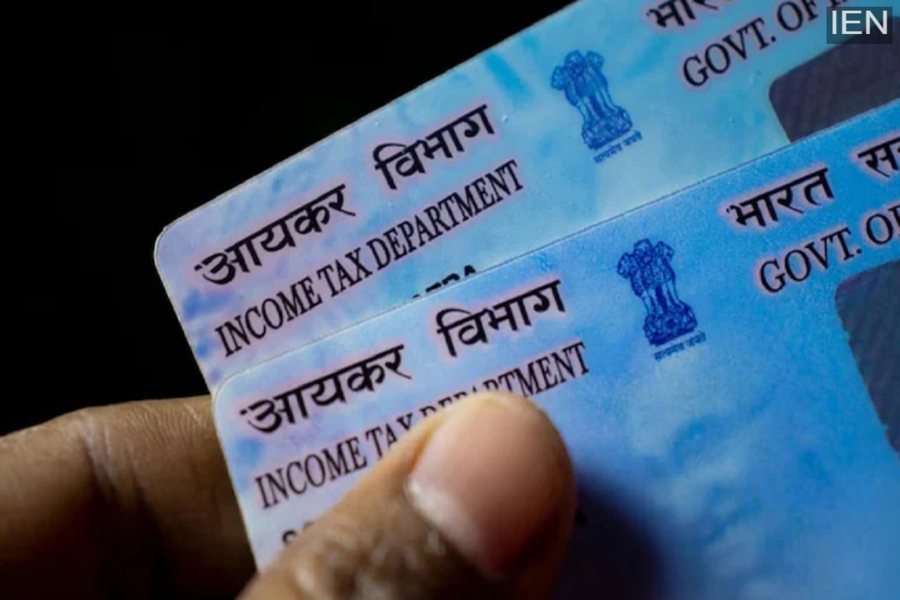
The Income Tax Department has released Draft Income Tax Rules, 2026, proposing a significant change that could simplify documentation for small property transactions. If these draft rules are finalised, buyers and sellers may no longer need to disclose their Permanent Account Number (PAN) for property deals valued below ₹20 lakh. The proposed changes are expected to come into effect from April 1, 2026, subject to final government notification.
The move is part of a broader overhaul under the new income tax framework, aimed at modernising compliance requirements and aligning them with current market realities. Before the rules are finalised, the government will seek feedback from stakeholders, and revisions may be made based on the responses received.
What Is the Current PAN Rule for Property Transactions?
At present, disclosure of Permanent Account Number (PAN) is mandatory for the purchase or sale of immovable property—such as a house or plot—if the transaction value exceeds ₹10 lakh. This requirement has been in place for years and applies regardless of whether the buyer or seller is an individual or entity.
However, rising property prices, even in smaller cities, have made the existing threshold increasingly outdated. Many modest property deals now cross the ₹10 lakh mark, automatically triggering PAN disclosure and additional documentation.
What Does the Draft Rule Propose?
Under the Draft Income Tax Rules, 2026, the government has proposed doubling the PAN disclosure threshold from ₹10 lakh to ₹20 lakh for immovable property transactions. If approved, property deals valued below ₹20 lakh will not require PAN details to be disclosed.
This change is expected to provide relief to buyers and sellers involved in smaller transactions, especially in non-metro and semi-urban areas where property prices are still relatively lower compared to major metropolitan cities.
When Will the New Rule Apply?
If the draft rules are notified without major changes, the revised PAN threshold is likely to take effect from April 1, 2026. Until then, the existing ₹10 lakh limit will continue to apply.
It is important to note that these rules are currently in the draft stage, meaning they are not yet legally binding. The government will review stakeholder feedback before issuing the final notification.
Other Key Proposals in the Draft Rules
Apart from revising the PAN threshold for property transactions, the draft rules also suggest expanding the scope of PAN compliance in certain cases. These include:
-
Property transfers through gifts, where the value exceeds the prescribed threshold
-
Joint Development Agreements (JDAs), which may be brought under the PAN disclosure framework if the transaction value crosses the specified limit
These measures aim to improve transparency in high-value and complex real estate transactions, while easing compliance for smaller, straightforward deals.
Why Is the PAN Limit Being Increased?
Tax experts believe the proposed change reflects shifting realities in property valuation across India. Over the years, inflation and rising land costs have pushed even basic residential properties above the earlier ₹10 lakh threshold.
According to industry voices, increasing the PAN disclosure limit could reduce documentation burdens for small buyers, particularly in Tier-2 and Tier-3 cities where prices remain below metro levels but still exceed the old limit.
Financial experts also point out that the move could encourage smoother transactions by cutting down paperwork for genuine buyers, without significantly affecting the government’s ability to track high-value deals.
Stakeholder Feedback Still Pending
Since the rules are still in draft form, the government has invited feedback from tax professionals, real estate stakeholders, and the general public. Based on the review of these suggestions, the final rules may undergo further refinement before being officially notified.
This consultative approach ensures that practical concerns are addressed and unintended consequences are minimised before implementation.
What Should Buyers and Sellers Do Now?
For now, buyers and sellers should continue to follow the existing PAN disclosure rules until the final notification is issued. Those planning property transactions in the coming financial year should keep a close watch on official updates from the Income Tax Department.
Once finalised, the revised rules could bring welcome relief to small property buyers while maintaining oversight on larger and more complex real estate deals.
Bottom Line
The proposed increase in the PAN disclosure threshold to ₹20 lakh marks a potentially important shift in India’s real estate compliance framework. If implemented, it could simplify property transactions for thousands of buyers and sellers, particularly outside major cities. However, since the rules are still in draft form, the final outcome will depend on stakeholder feedback and government approval.
Disclaimer: This article is for informational purposes only. Tax rules, thresholds, and compliance requirements are subject to change based on official notifications. Readers are advised to consult authorised sources or tax professionals for the latest updates before making financial or property-related decisions.
