
New Government Airfare Rules: New regulations for flight tickets introduced; government to intervene if fares rise excessively..
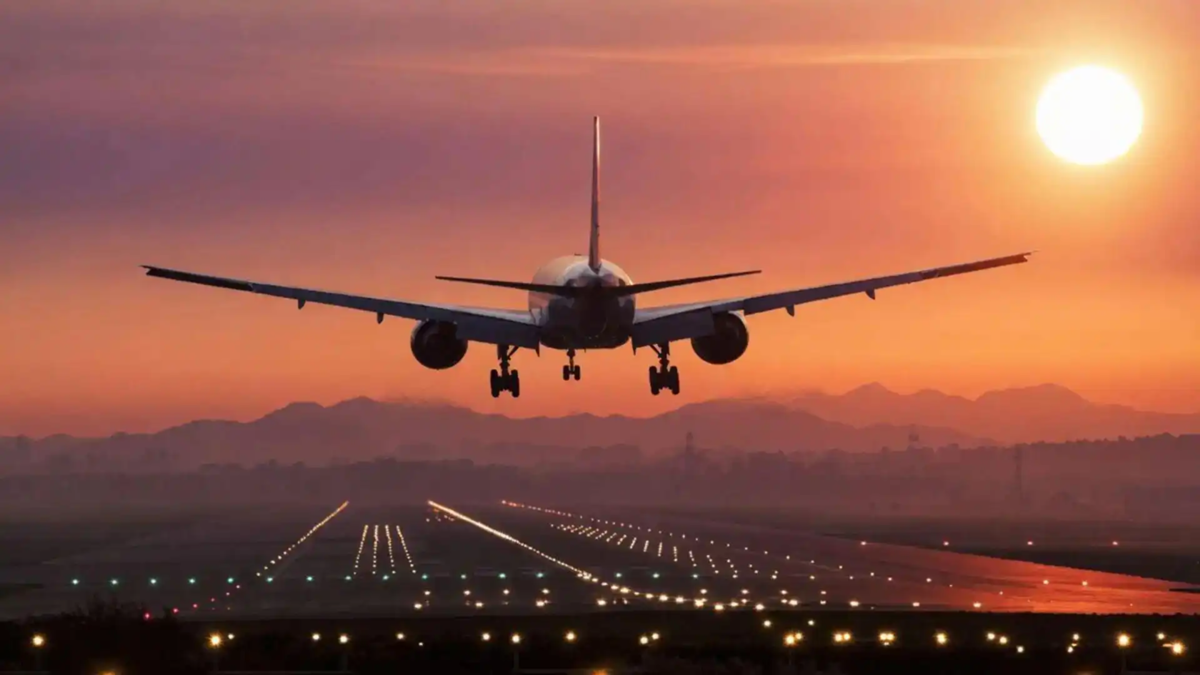
Airfare Rules 2026: There is welcome news for air travelers. The central government has notified the 'Aircraft Rules, 2026,' which grant the government the authority to intervene directly in flight ticket pricing during emergencies or other necessary situations. The new rules also emphasize increasing transparency regarding ticket fares. This step has been taken to curb arbitrary pricing by airlines, especially amidst rising fuel costs.
Under the new regulations, airlines are now required to clearly display a breakdown of all costs—such as the base fare, taxes, and cancellation charges—on their websites at the time of booking, ensuring that no hidden charges are imposed on passengers. Here is what will change for ticket bookings and travelers...
Government can intervene in fares during emergencies.
The new rules empower the government to intervene in flight ticket pricing under extraordinary circumstances. According to Rule 192, if the government determines that an exceptional situation has arisen and that intervention in ticket pricing is necessary in the public interest, it may issue written directives to the airlines. However, such directives must be proportionate to the situation and will remain in effect only for a specified duration.
Airlines must disclose how fares are determined.
Under the new rules, airlines operating scheduled flights must determine ticket fares by taking into account operational costs and other relevant factors. Furthermore, they are required to provide full details of their fare structures to the Directorate General of Civil Aviation (DGCA). Airlines must also display fare information on their websites and other digital platforms. The DGCA will monitor these fares.
A full breakdown must be provided at the time of booking
Another significant change has been introduced for passengers under the new rules. When booking tickets, airlines will now be required to provide a detailed breakdown of all charges alongside the total price. This includes the base fare, taxes, fees, cancellation charges, refund terms, and any other applicable costs. Taxes payable to the government and service fees charged by the airlines must also be disclosed separately. This will allow passengers to know the exact total amount they are required to pay before finalizing their booking.
Airlines have determined their own fares since 1994
In India, the government-regulated system for setting airfares was abolished in 1994. Following this, airlines began determining ticket prices based on market demand and other factors. According to the Ministry of Civil Aviation, factors such as demand, operational costs, and the timing of the booking play a role in determining fares. Airlines also maintain various fare categories to offer tickets at different price points.
What has changed from the previous regulations?
Under Rule 135(4) of the erstwhile Aircraft Rules, 1937, the Directorate General of Civil Aviation (DGCA) already held the authority to issue directives regarding airfares when necessary. This provision addressed issues such as excessively high or predatory pricing, as well as the dominance of certain companies in the market. While these specific grounds are not explicitly mentioned in the new Rule 192, the government retains the authority to issue directives concerning airfares in the public interest during extraordinary circumstances.
Disclaimer: This content has been sourced and edited from NDTV India. While we have made modifications for clarity and presentation, the original content belongs to its respective authors and website. We do not claim ownership of the content.
