
National Highway Rules Have Changed! Overloaded Vehicles Will Now Face Multiplied Toll Charges—Read This Before You Travel
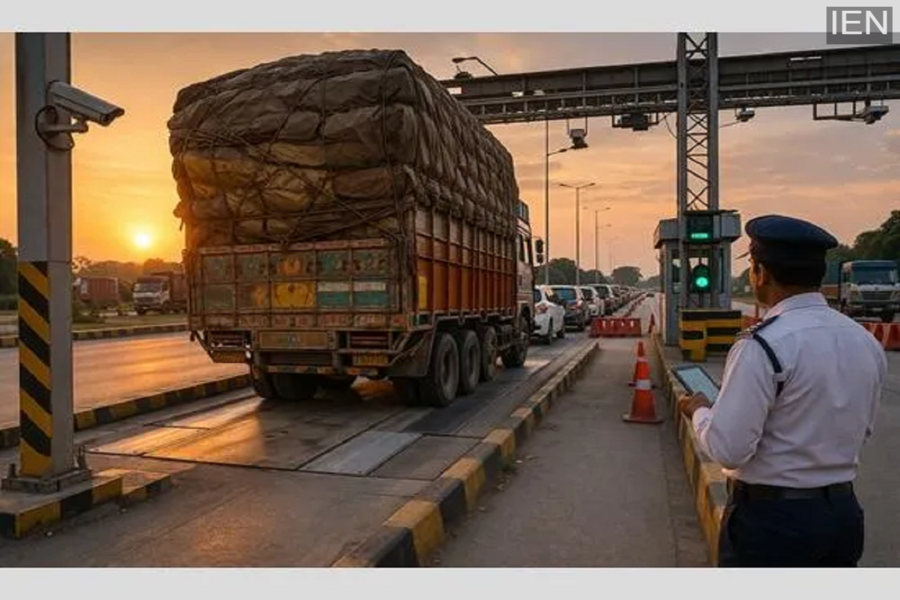
National Highway Rules Updates: Enforcement against overloaded vehicles on National Highways has now been significantly tightened. The government has taken this decision to ensure public safety and to reduce the frequency of accidents. Find out what has changed under the new regulations.
Highway Rules Updates: You have likely encountered overloaded vehicles on highways on numerous occasions. Not only do these vehicles violate traffic regulations, but they also pose an increased risk to other vehicles traveling on the highway; should an accident occur, the lives of many people could be jeopardized. In light of these concerns, the government has now taken serious cognizance of this issue and implemented strict measures against overloaded vehicles to maintain road safety and prevent accidents.
Strict action will now be taken against overloaded vehicles on National Highways. The Ministry of Road Transport and Highways has implemented new regulations. These new rules have come into effect starting today, April 15th. Vehicles must now adhere to prescribed load limits; failure to comply with these regulations will result in the imposition of heavy fines.
How Much Will the Fine Be?
According to the new rules, charges will now be levied based on the percentage of overloading, as follows:
Overload up to 10 percent – No additional charge.
Overload between 10 percent and 40 percent – Double the standard toll charge.
Overload exceeding 40 percent – Four times the standard toll charge.
How Will the Charges Be Collected?
It is important to note that overloading charges will now be collected exclusively through FASTag. Additionally, details regarding overloaded vehicles will be recorded in the 'Vahan' portal (the National Vehicle Register).
What Happens If You Don't Have a FASTag?
Most importantly, if a vehicle does not have a FASTag—or if the existing FASTag is not active—the driver will be required to pay an additional charge of 25 percent over and above the standard toll fee.
How Will Overloading Be Detected?
Overloading will be detected using certified weighing scales installed at toll plazas. However, if a specific toll plaza lacks the necessary weighing facilities, no overloading charges will be levied at that location. The government has taken this decision with the primary objective of ensuring public safety and reducing the incidence of road accidents.
