
MP Farmers to Receive ₹12,000 Annually: How to Unlock Full Benefits of Dual Government Schemes
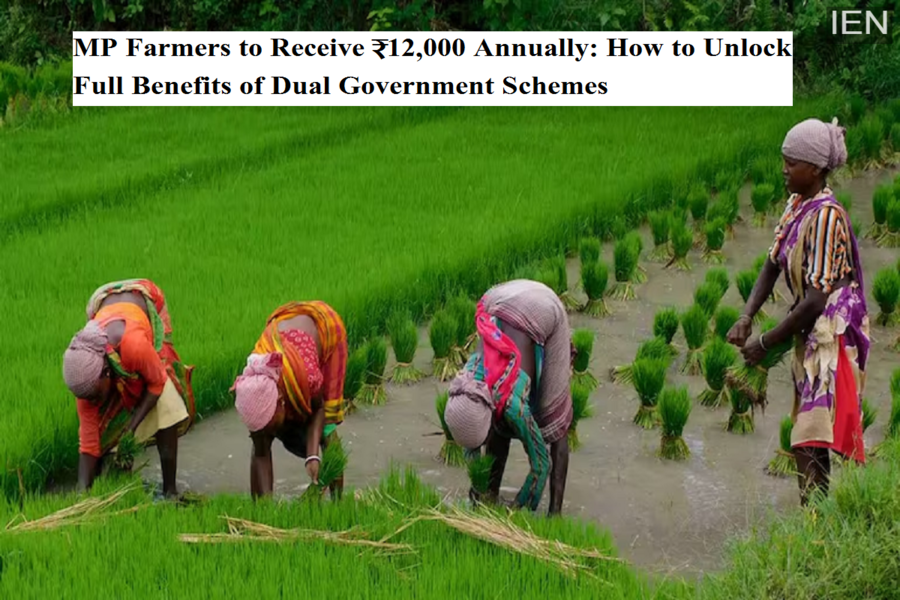
Farmers in Madhya Pradesh have reason to celebrate as financial assistance under two major government schemes has been effectively combined, boosting annual support to ₹12,000. By integrating the central government’s PM Kisan Samman Nidhi with the state-run Mukhyamantri Kisan Kalyan Yojana, eligible farmers can now receive double the earlier benefits directly in their bank accounts.
This move is part of a broader effort by both the central and state governments to strengthen agricultural income and reduce financial stress for small and marginal farmers.
A Powerful Combination: Two Schemes, One Bigger Benefit
The enhanced annual support of ₹12,000 comes from the merger of benefits under two separate initiatives:
1. PM Kisan Samman Nidhi (Central Government)
Under this nationwide scheme, eligible farmers receive ₹6,000 per year. The amount is credited in three equal installments of ₹2,000 each through Direct Benefit Transfer (DBT) directly into their bank accounts.
2. Mukhyamantri Kisan Kalyan Yojana (Madhya Pradesh Government)
The state government mirrors the central scheme by offering additional financial assistance. Initially, farmers received ₹4,000 annually under this scheme, but the amount has now been increased to ₹6,000 per year.
Total Annual Benefit
With both schemes combined, farmers now receive a total of ₹12,000 annually, providing meaningful support for agricultural expenses such as seeds, fertilizers, and other essential inputs.
Direct Transfers Ensure Transparency and Ease
One of the most significant advantages of this system is the use of Direct Benefit Transfer (DBT). Funds are transferred straight into Aadhaar-linked bank accounts, eliminating the need for intermediaries.
This approach not only reduces the risk of corruption but also saves farmers from repeated visits to government offices or dependence on middlemen. Payments are streamlined, transparent, and timely—ensuring that assistance reaches beneficiaries without delay.
Eligibility Requirements: What Farmers Must Complete
To continue receiving benefits under both schemes, farmers must ensure that certain essential processes are completed. Missing any of these steps could result in delayed or stopped payments.
Mandatory Steps:
- e-KYC Verification: Completing e-KYC is crucial. Without it, upcoming installments may be withheld.
- Land Seeding: Farmers must ensure their land records are digitally verified and linked to the scheme database.
- Aadhaar-Bank Linking: The bank account receiving funds must be linked to the farmer’s Aadhaar and remain active.
How to Check Your Status
Farmers who are unsure about their eligibility or payment status can take simple steps to verify their details:
- Visit the nearest Common Service Centre (CSC)
- Contact the local revenue officer (Patwari)
- Check registration status on the official portal
Once registered under the central scheme, eligible farmers are generally auto-enrolled for the state scheme based on shared data, making the process more seamless.
A Step Toward Financial Stability in Agriculture
The combined benefit aims to stabilize farmers’ income and reduce their dependence on informal loans or moneylenders. With payments distributed across different times of the year, farmers receive timely financial support during crucial agricultural seasons.
This initiative is especially beneficial for small and marginal farmers who often struggle with cash flow during sowing and harvesting periods. By ensuring regular income support, the government is helping create a more secure and sustainable farming environment.
Final Word
If you are a farmer in Madhya Pradesh and have completed all required formalities, you may already be eligible to receive this enhanced financial support. Ensuring your documents are updated and verified is the key to unlocking the full ₹12,000 annual benefit.
With agriculture being the backbone of rural India, such initiatives play a vital role in empowering farmers and strengthening the rural economy.
