
Money being deducted from your bank account? Here’s how to protect your savings from hidden charges
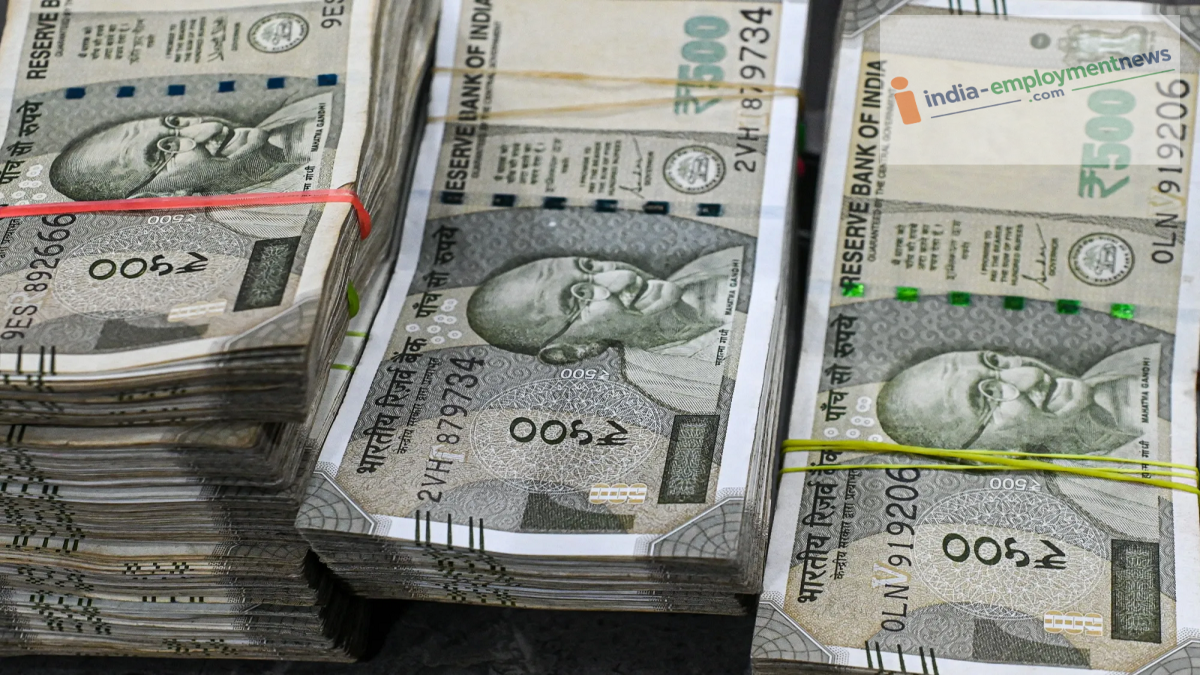
Charges related to MAB (Monthly Average Balance), ATMs, debit cards, and SMS alerts can erode your savings. Check the bank's schedule of charges, close unused accounts, and avoid unnecessary fees. Stay vigilant about your account activity and understand the rules.
Keeping money in a savings account seems simple, but fees for services like maintaining a minimum balance, ATM usage, debit cards, and SMS alerts can gradually deplete your savings. These expenses can be controlled by taking a few simple precautions.
For many, a savings account is not just a place to store money but the primary channel for receiving salaries, paying bills, and managing daily expenses. However, did you know that failing to monitor your account balance can prove costly? While some banking charges are obvious, others appear as small, incremental deductions. Therefore, it is crucial to understand the terms and charges associated with your account.
Choosing the right savings account is essential
When opening an account, you shouldn't base your decision solely on the interest rate or the bank's brand name. First, check whether maintaining a minimum balance is mandatory and what fees are charged for various services. A BSBD (Basic Savings Bank Deposit) account is an option for customers who wish to avoid the minimum balance requirement. Under RBI regulations, these accounts offer essential banking services without the obligation of maintaining a minimum balance.
On the other hand, some standard savings accounts require you to maintain a bank-stipulated Monthly Average Balance (MAB). Failure to meet this requirement can result in a penalty. According to RBI guidelines, banks are required to transparently inform customers about minimum balance requirements and associated charges.
Keep an eye on the MAB
If your account has a minimum average balance requirement, it is important to monitor the balance available in your account throughout the month. Simply maintaining sufficient funds on the last day of the month is not always enough, as banks may calculate requirements based on the average balance. Therefore, before withdrawing a large sum or significantly depleting your account balance, be sure to check your bank's MAB (Monthly Average Balance) requirements.
Understand ATM and debit card charges
Exceeding the limit for free ATM transactions can attract additional charges. Similarly, annual debit card fees vary depending on the bank and the type of card. There is little benefit in holding a card if you do not utilize its features. You can also check your bank's schedule of charges for information on fees for additional services, such as SMS alerts.
Avoid leaving excess funds in the account
Leaving an amount far exceeding your daily needs in a savings account for an extended period means missing out on opportunities for better returns. In such cases, consider the bank's 'sweep-in' or 'flexi-deposit' facilities; these allow funds exceeding a certain limit to be moved into options like Fixed Deposits (FDs) while remaining accessible when needed.
Review old bank accounts
Many people stop using their old salary accounts after changing jobs or leaving college. Instead of simply abandoning these accounts, you should review their status and applicable charges. If the account is no longer needed, closing it—following the bank's procedure—is a viable option. According to RBI guidelines, an account with no customer-initiated transactions for two years may be classified as 'dormant'.
The 'three-account' strategy can be useful
Those with multiple bank accounts can organize their finances based on specific needs: one account for salary and essential payments, another for daily expenses, and a third for emergency savings. However, maintaining too many accounts can make it difficult to track the various MAB requirements and associated charges.
Take these steps to avoid account charges
Make sure to read your bank's latest schedule of charges. Understand the terms and penalties regarding MAB (Monthly Average Balance).
Review old and inactive accounts.
Opt for e-statements wherever possible.
Check the annual fees for debit cards.
Keep track of free ATM transaction limits.
Monitor your account regularly using the mobile banking app.
