
Mini Nandini Yojana: An opportunity to boost income through cow rearing; the government is offering a subsidy of up to 50%..
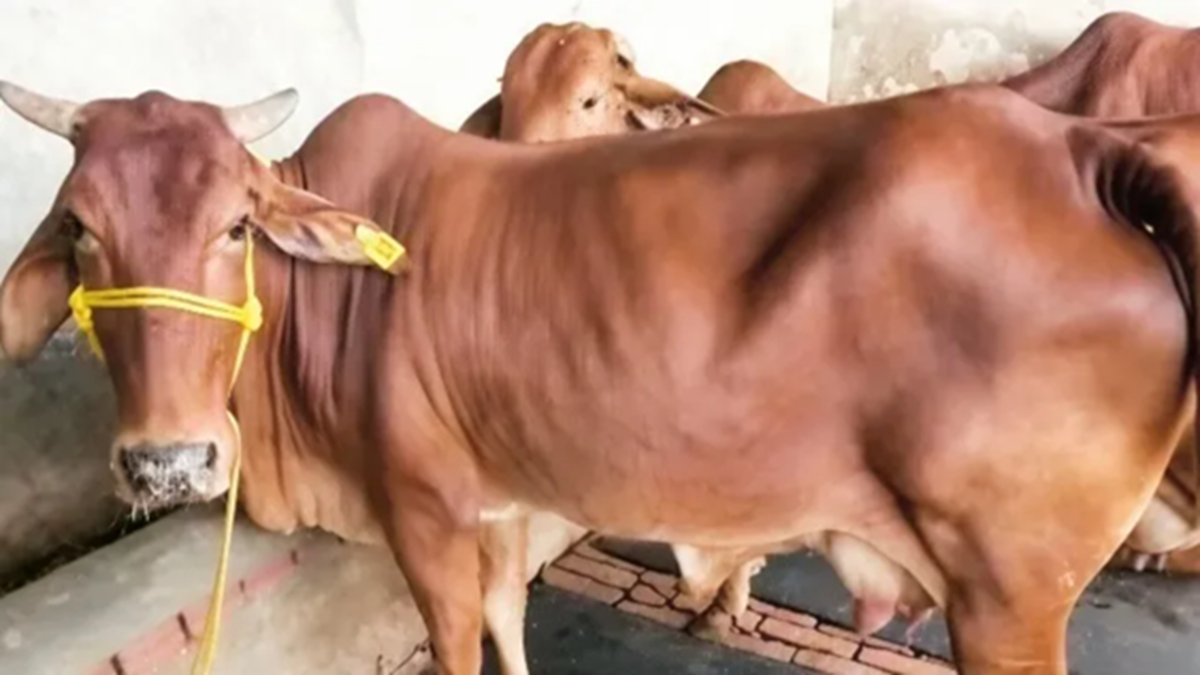
The Mini Nandini Scheme can be highly beneficial for dairy farmers. The Uttar Pradesh government is implementing the 'Mini Nandini Krishak Samriddhi Yojana' to strengthen the rural economy and boost the income of livestock farmers. This scheme operates under the 'Nand Baba Milk Mission,' aiming to promote the rearing of indigenous cattle breeds and integrate small farmers into the dairy business. Under the scheme, the government provides a subsidy of up to 50 percent of the total project cost for establishing a dairy unit with 10 indigenous cows. Here are the details of the scheme:
What is the Mini Nandini Scheme?
The Mini Nandini Scheme is considered a smaller version of the 'Nandini Krishak Samriddhi Yojana.' While the main scheme involves setting up large dairy units, the Mini Nandini Scheme provides for the establishment of a dairy unit with 10 cows. Indigenous breeds such as Gir, Sahiwal, and Tharparkar are included in the scheme to enhance milk production and ensure better income for farmers.
When and how much subsidy is provided under the Mini Nandini Scheme?
The total cost for a 10-cow dairy unit under this scheme is fixed at ₹23.60 lakh. The state government provides a subsidy of 50 percent, i.e., a maximum of ₹11.80 lakh. Beneficiaries are required to invest only 15 percent of the amount themselves, while the remaining balance can be secured through a bank loan.
The government subsidy is disbursed in two stages: the first installment is released after the dairy infrastructure is ready, and the second is released after the purchase of the cows is completed.
Who can apply for this scheme?
Eligible livestock farmers and dairy farmers in Uttar Pradesh can avail the benefits of this scheme. A minimum of three years of experience in animal husbandry is required. The cows purchased under the scheme must be healthy and in their first or second lactation period. Livestock insurance and ear-tagging are also mandatory.
What are the government's expectations from this scheme?
Indigenous cattle breeds will be protected.
Milk production in the state will increase.
Self-employment opportunities in rural areas will grow.
A regular income for livestock farmers will be ensured.
Youth and women can be engaged in dairy entrepreneurship.
Disclaimer: This content has been sourced and edited from NDTV India. While we have made modifications for clarity and presentation, the original content belongs to its respective authors and website. We do not claim ownership of the content.
