
Middle East Conflict Sparks Concerns: Will Piped Gas Supply to Indian Homes Be Affected?
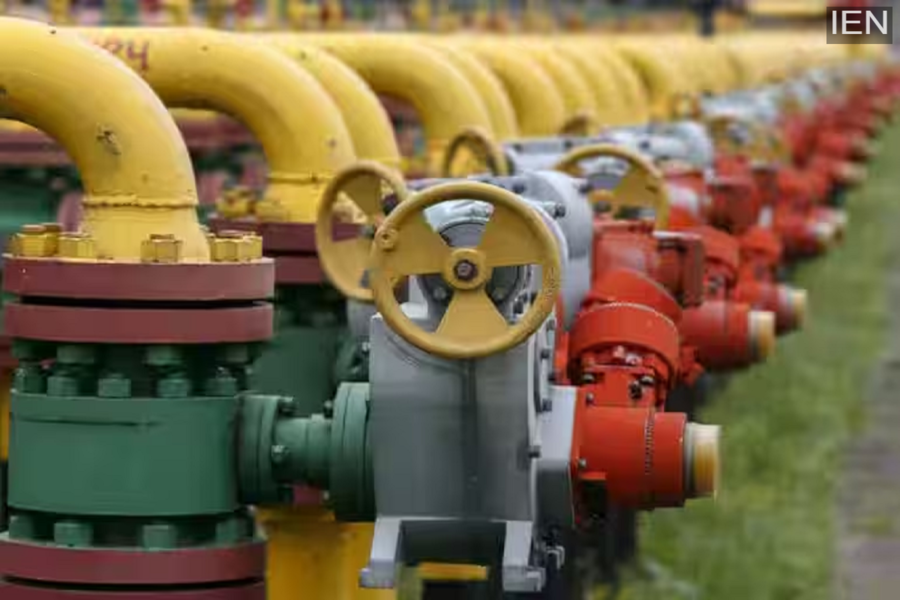
Rising geopolitical tensions in the Middle East have begun to impact energy markets across the world, raising concerns about fuel supply in several countries, including India. As the conflict involving the United States, Israel, and Iran enters its second week, its ripple effects are being felt in India’s energy sector. Reports of shortages in LPG cylinders in some parts of the country have triggered fears among consumers about whether the supply of piped natural gas (PNG) to households could also face disruptions.
However, government authorities and gas distribution companies have assured consumers that the supply of piped gas to homes is unlikely to be affected. The government has already taken several steps to ensure that essential fuel supplies remain stable across the country.
Government Prioritises Gas Supply for Households and Transport
To prevent any major disruption in fuel availability, the government has invoked provisions under the Essential Commodities Act, 1955. This move allows authorities to regulate the production, supply, and distribution of essential resources during periods of crisis.
As part of its strategy, the government has also set clear priorities for gas distribution. According to official directives, piped natural gas (PNG) supplied to households and compressed natural gas (CNG) used for transportation have been given top priority.
The order states that both PNG and CNG will continue to receive 100 percent of their average consumption supply based on the past six months’ data, provided that natural gas is available in the national grid. This approach aims to ensure that essential services and domestic consumers do not face shortages even during global supply uncertainties.
LPG Supply Issues Reported in Some Cities
While the government has prioritized PNG and CNG, reports suggest that some regions have already started experiencing difficulties in obtaining LPG cylinders. In several cities, consumers have reported delays in cylinder deliveries, and instances of black marketing of LPG cylinders have also surfaced.
These developments have naturally raised concerns among households that rely on piped gas systems. In large metropolitan cities such as Delhi and other urban centers, a growing number of families now use PNG instead of LPG cylinders for cooking.
However, industry experts maintain that the situation for piped gas users remains stable.
How Piped Natural Gas Supply Works
Unlike LPG cylinders, which require physical delivery and periodic refilling, piped natural gas is supplied through an underground pipeline network directly to households. The supply remains available 24 hours a day, eliminating the need for consumers to book cylinders or wait for deliveries.
Customers receive a monthly bill based on their actual gas consumption, similar to electricity or water billing. The entire system is managed by city gas distribution companies that maintain pipeline infrastructure and supply operations.
According to data from the end of 2024, around 1.36 crore households across India receive PNG supply, while the number of LPG connections in the country stands at approximately 33.2 crore.
Gas Distributors Assure No Impact on PNG Supply
Gas distribution companies have reassured consumers that the ongoing geopolitical tensions are unlikely to disrupt piped gas supply to homes. While global gas prices may rise due to instability in the Middle East, the availability of PNG for domestic use is expected to remain stable.
Manish Verma, Marketing Head of Avantika Gas Limited, recently stated that the conflict in the Middle East has increased the cost of natural gas, but it has not affected supply for residential PNG consumers.
According to him, industrial gas supply has faced some pressure, but household supply has remained unaffected so far. In fact, gas distribution companies have not received any complaints from PNG consumers regarding supply interruptions.
Why Domestic Gas Supply Is Protected
The government’s priority-based gas distribution policy plays a key role in maintaining uninterrupted supply to households. Under this system, sectors such as residential consumption and transportation are given preference over industries and power plants during supply shortages.
This means that if gas availability in the national grid becomes limited, industrial consumption may be curtailed first, while household and transport requirements continue to be met.
Should Consumers Be Worried?
At present, experts believe there is no immediate risk of disruption to piped gas supply for households. The government’s proactive measures and prioritization strategy are designed specifically to protect essential consumption.
However, global energy markets remain volatile due to geopolitical tensions, and fuel prices may continue to fluctuate in the coming weeks.
For now, consumers using piped natural gas can expect their supply to remain uninterrupted, even as authorities continue monitoring the evolving situation in global energy markets.
