
MBBS Seats Rise in India, Yet One Doctor for Every 778 People
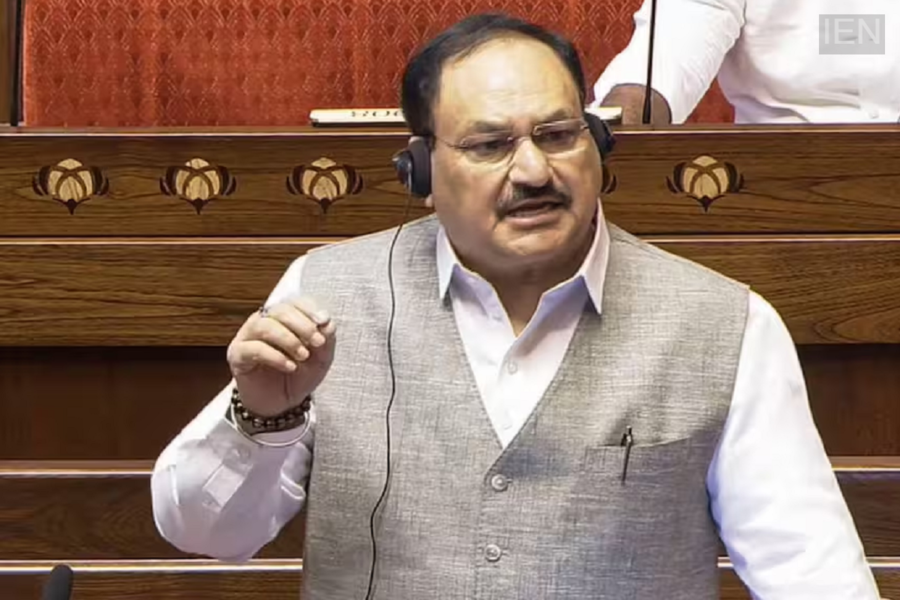
In a written reply to the Lok Sabha, Union Health Minister J.P. Nadda stated that MBBS seats increased from 109,115 in the 2023-24 academic year to 128,976 in 2025-26.
MBBS Seats in India: Medical education and the availability of doctors are steadily increasing across the country. The Central Government informed the Lok Sabha that there has been a significant rise in MBBS and postgraduate medical seats over the last two academic years. Concurrently, the country’s doctor-to-population ratio has improved to 1:778, a figure considered superior to the WHO standard of one doctor per 1,000 people.
Health Minister J.P. Nadda Releases Data
In a written reply to the Lok Sabha, Union Health Minister J.P. Nadda stated that MBBS seats increased from 109,115 in the 2023-24 academic year to 128,976 in 2025-26. During the same period, the number of postgraduate medical seats rose from 31,185 to 86,360. These figures are based on records from the National Medical Commission. According to the government, the expansion of medical education aims to increase the number of trained doctors and strengthen healthcare services. The addition of new medical colleges and seats—particularly in remote and underserved areas—will improve the availability of doctors in the future.
One Doctor for Every 778 People
The government also informed the Lok Sabha that India’s doctor-to-population ratio now stands at 1:778. According to the Indian Medical Register, there are 1,535,155 registered allopathic doctors in the country. Additionally, there are 751,768 registered practitioners under the AYUSH system. If 80 percent of the total 2,286,923 registered doctors across both systems are considered to be in active service, the country’s doctor-to-population ratio stands at 1:778. The government states that this ratio is better than the standards set by the World Health Organization.
MBBS Seats Increased Further for 2026-27
Meanwhile, the National Medical Commission released the state-wise MBBS seat matrix for the 2026-27 academic session. According to the new data, 9,911 new MBBS seats were approved this year; when added to the 127,028 previously existing (renewed) seats, the total number of MBBS seats reaches 136,939. These seats will be available across 823 medical colleges nationwide. However, this list does not include Institutes of National Importance. The government maintains that the continuous increase in medical colleges and seats is part of a comprehensive strategy to strengthen the healthcare system. Efforts are being made to increase the availability of doctors—particularly in remote and underserved areas—through new medical colleges, ensuring better healthcare services for the general public.
Rapid Expansion of Medical Infrastructure Since 2014
Anupriya Patel, Minister of State for Health and Family Welfare, informed the Lok Sabha that there has been a significant increase in the number of medical colleges in the country since 2014. During this period, MBBS seats rose from approximately 51,000 to over 139,000 (total undergraduate medical seats), while postgraduate (PG) medical seats increased from 31,000 to over 86,000. She noted that a ‘Family Adoption Programme’ has been incorporated into the MBBS curriculum to strengthen healthcare services in rural areas. Under this initiative, medical colleges adopt villages, and MBBS students engage with families in those villages to gain experience in community medicine.
