
Mandatory 30-Minute Daily Reading in Delhi Schools; Libraries to Remain Open During Lunch Breaks
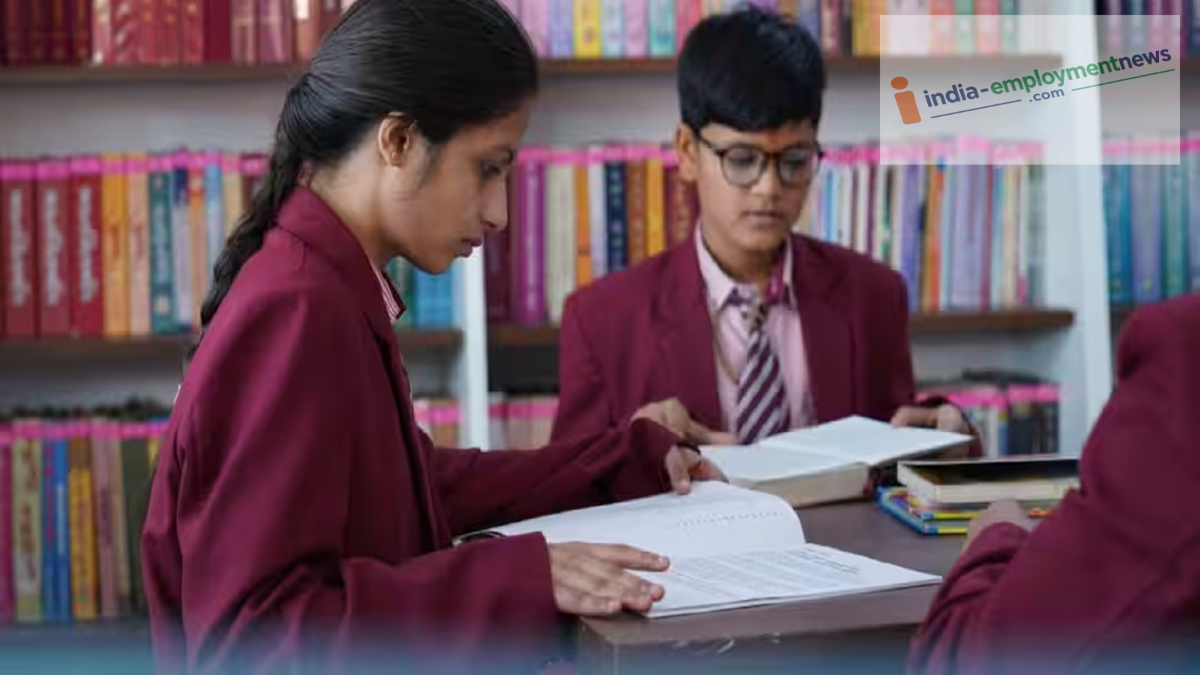
The Directorate of Education has directed Delhi government schools to designate a 30-minute reading period for students on all school days. Schools will not be permitted to create this slot by replacing or altering existing periods in their timetables.
Delhi government schools will now focus on students’ reading habits alongside their regular academics. The Directorate of Education has mandated a 30-minute reading period for students on every school day. Notably, schools cannot accommodate this by removing or modifying other periods in their schedules. Various library-related activities will be conducted throughout the year to foster a reading habit. This decision aligns with the National Education Policy. The Education Department stated that a year-long calendar of activities has been prepared to encourage regular book reading among students and ensure better utilization of school libraries.
Daily 30-Minute Reading Period
During the 30-minute reading period, students will read books quietly. This will be complemented by discussions about the books and other reading-related activities. Schools have also been instructed to conduct a daily 10-to-15-minute “Drop Everything and Read” (DEAR) session. Additionally, activities such as weekly library periods, book readings, book talks, and storytelling sessions will be organized throughout the year. Students will be encouraged to review books, recommend their favorites, and share their thoughts on them.
Libraries to Remain Open During Lunch Breaks
Under government directives, schools have been asked to make their libraries more accessible to students. Arrangements will be made to keep libraries open during lunch breaks so that interested students can utilize this time for reading. Facilities such as “reading corners” and “reading walls” will also be developed within schools. On reading walls, students will be able to display book reviews, quotes, illustrations, and their own book recommendations.
Availability of 20 Books per Student
The Education Department has emphasized making school libraries more useful and engaging. According to the guidelines, at least 20 books per student must be available in the library. Librarians have been tasked with prominently displaying new books, issuing books to students, and maintaining records of their reading habits. They have also been asked to identify students with less interest in reading so that they can be specially encouraged.
Year-Round Reading Activities
Schools will be required to organize various activities throughout the year to engage students in reading. These include activities such as book discussions (twice a week), read-aloud sessions, book talks, and storytelling. It has also been suggested that a ‘Reading Assembly’ be held every month. Additionally, events like reading challenges, book exhibitions, book donation drives, and annual reading festivals will be conducted. Some students may also be designated as ‘Reading Ambassadors’ to motivate their peers to read.
Involving Families
The reading campaign is not intended to be confined solely to the school environment. ‘Family Reading’ events will be organized twice a year, aiming to involve families in reading activities alongside the children. Schools have also been advised to adopt a system like a ‘Reading Passport’ to keep track of students’ reading habits, allowing for the regular recording of their reading activities.
