
Make Your LPG Cylinder Last 45 Days Instead of 30: 10 Smart Cooking Tips to Save Up to 50% Gas
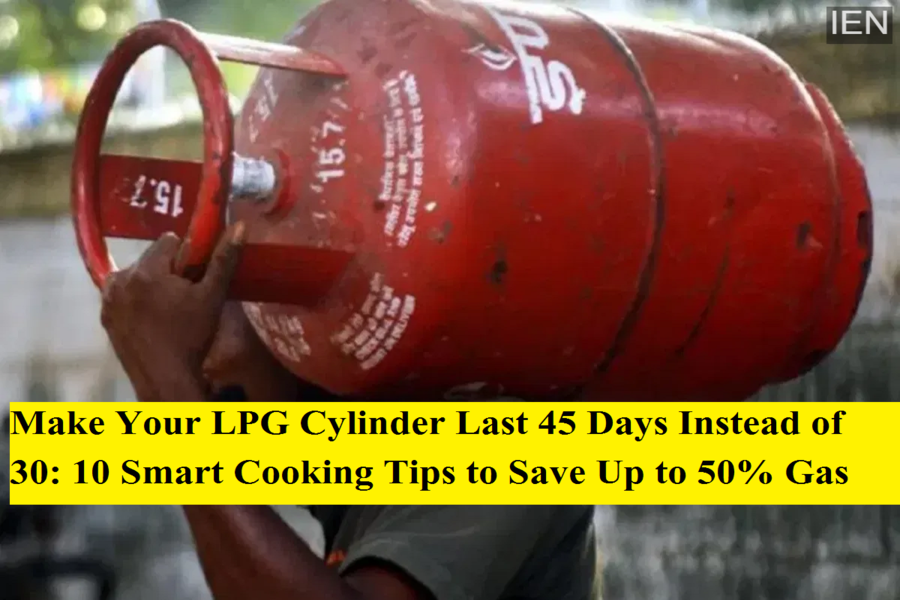
With rising geopolitical tensions in the Middle East and uncertainty in global energy supply, concerns about LPG availability have started growing in several regions. Although household LPG supply in India remains stable for now, increasing prices and supply worries have encouraged many families to look for ways to reduce gas consumption in their kitchens.
Experts say that simple changes in everyday cooking habits can significantly reduce LPG usage. In fact, adopting efficient cooking techniques can help households cut gas consumption by up to 50 percent, allowing an LPG cylinder to last longer.
Health and lifestyle expert Dr. Nandita Iyer recently shared several practical kitchen tips on social media that can help households save cooking gas without compromising on meal quality.
Here are 10 smart and effective tips that can help your LPG cylinder last longer.
1. Soak Pulses, Rice, and Beans Before Cooking
One of the easiest ways to reduce cooking time is to soak dry ingredients before cooking them. Soaking softens grains and legumes, allowing them to cook faster.
-
Soak kidney beans or chickpeas for 8–10 hours
-
Soak lentils for 30–60 minutes
-
Soak rice for about 20–30 minutes
Pre-soaked ingredients can cook 30% to 50% faster, saving both time and gas.
2. Use the Right Burner Size
Using the correct burner for your cooking vessel can make a big difference in gas consumption.
-
Use the small burner for tea, reheating food, or tempering spices
-
Use the large burner for pressure cookers or boiling water
Also ensure that the flame does not extend beyond the base of the utensil, as this wastes gas.
3. Cook with a Lid On
Cooking with a lid helps trap heat and steam inside the vessel. This allows food to cook faster and reduces the amount of gas required.
Using lids during cooking can reduce gas usage by 20% to 25%.
4. Cut Vegetables into Smaller Pieces
Smaller vegetable pieces cook faster because heat reaches the center more quickly. By chopping vegetables into smaller portions, you can reduce cooking time and save LPG.
5. Cook Multiple Items Together
Using a pressure cooker to cook multiple items at the same time can save significant gas.
For example, you can cook dal or meat at the bottom of the cooker while placing vegetables in a separate bowl on top. This allows you to prepare multiple dishes in one cooking cycle.
6. Clean the Gas Burner Regularly
Over time, burner holes can become clogged with grease or dust, which affects combustion efficiency.
If you notice a yellow flame instead of a blue one, it indicates incomplete combustion and gas wastage. Cleaning burners every few weeks helps ensure efficient burning and lower gas consumption.
7. Use Residual Heat
Even after turning off the gas stove, the heat retained in the cooking vessel continues cooking the food for a short period.
Turning off the flame slightly before the dish is fully cooked can help utilize this residual heat, saving additional gas.
8. Use Heavy-Bottom Utensils
Utensils with thick or heavy bases distribute heat more evenly. Materials such as triple-layer steel, thick stainless steel, or cast iron help retain heat better and cook food faster.
Thin utensils lose heat quickly and require more gas to maintain cooking temperatures.
9. Use Pressure Cookers More Often
Pressure cookers are one of the most efficient cooking tools in Indian kitchens.
Foods such as lentils, beans, potatoes, and meat cook 30% to 70% faster in a pressure cooker, significantly reducing LPG consumption.
10. Use an Electric Kettle for Boiling Water
According to experts, electric kettles are more energy-efficient for boiling water compared to LPG stoves. Using them for tasks such as making tea, coffee, or boiling water can reduce LPG usage in the kitchen.
Small Habits Can Make a Big Difference
With energy prices fluctuating and global supply uncertainties continuing, adopting efficient cooking practices can help households manage their LPG usage more effectively.
These small yet practical changes not only help extend the life of an LPG cylinder from around 30 days to nearly 45 days, but also reduce energy waste and lower overall household expenses.
By cooking smarter and making minor adjustments in daily routines, families can conserve gas while maintaining their regular cooking habits.
