
Make sure to check these things before buying health insurance; a moment of carelessness could prove costly..
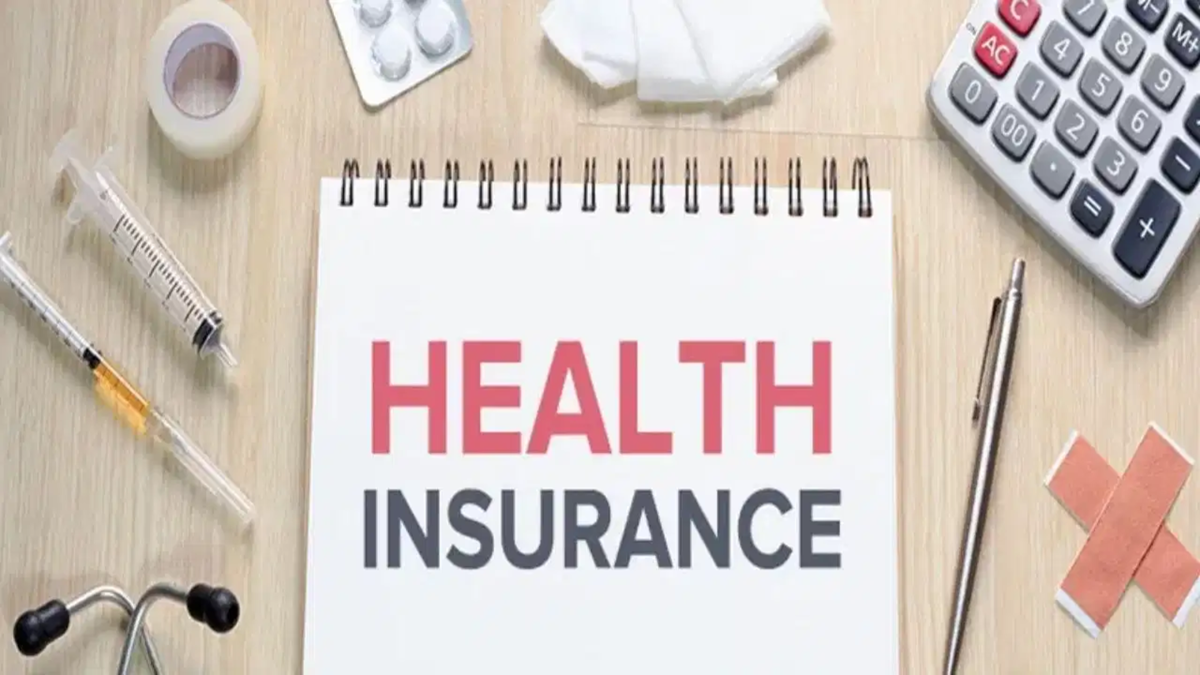
Hospitalization costs are constantly rising these days. From minor ailments to major surgeries, medical bills can sometimes be so high that they wipe out a family's savings accumulated over years. That is why people purchase health insurance to protect themselves and their families. Buying health insurance online has also become quite easy now; you can view policies, select coverage, and make a payment via your mobile phone—and the policy is yours.
However, many people make a mistake here: they do not read the full terms and conditions of the policy. The fine print in the policy can make a significant difference later on—often becoming apparent only at the time of hospitalization.
Therefore, make sure to understand these five points before purchasing a policy:
**'Cashless' does not mean you won't have to pay anything**
Many people believe that a 'cashless' facility means they won't have to pay anything out of pocket at the hospital. But that is not necessarily the case. 'Cashless' simply means that the insurance company and the hospital can settle the payment for covered expenses directly between themselves; it does not guarantee that the company will pay for every single expense.
For instance, the cost of minor items—such as gloves, syringes, masks, PPE kits, or other consumables—might not be covered by the policy. In some cases, a hospital might charge higher-than-standard fees for a treatment. If that expense is not deemed reasonable according to the policy terms, you might have to pay a portion of it yourself. Therefore, do not assume that the company will pay the entire hospital bill just because the facility is cashless.
**Check the room rent limit**
Be sure to check the limit on room rent when buying a policy. This seemingly minor condition can significantly impact your claim later. Suppose your policy covers room rent only up to a certain limit, but you choose a more expensive room. In that case, not only will you have to pay the excess room rent, but other hospital expenses might also be reduced. This is known as 'proportionate deduction.'
Additionally, some policies may have separate limits for treatments involving new technologies, such as robotic surgery. Therefore, it is not enough to simply look at the total sum insured (e.g., ₹5 lakh or ₹10 lakh). You should also check the specific limits imposed on various types of treatments.
**Do not rely solely on the agent's word**
An agent explains various aspects of the policy when you buy it and outlines the benefits included. However, do not purchase a policy based merely on verbal assurances. At the time of a claim, what matters most is what is written in the policy documents. Therefore, always verify the information provided to you against the actual policy papers. If you have questions regarding coverage for a specific illness, treatment, or facility, it is best to get the clarification in writing.
**Do not hide pre-existing conditions**
This is one of the most crucial points. If you have a pre-existing condition—such as high blood pressure, diabetes, or thyroid issues—disclose this information accurately when purchasing the policy.
Some people conceal pre-existing conditions for fear of higher premiums or difficulties in getting the policy approved. However, details about these conditions can surface later through hospital records when a claim is filed. This can lead to disputes regarding the claim, and the company may take action based on the policy terms. Therefore, providing accurate information about your medical history from the start is the safest approach.
**Do not buy a policy based solely on a low premium**
When browsing policies online, it is tempting to simply pick the cheapest plan available. However, the cheapest policy is not necessarily the best one for you. Low-premium policies may come with conditions such as co-payment, sub-limits, or waiting periods.
Co-payment means you have to pay a portion of the claim amount out of your own pocket. A sub-limit implies that the company has set a specific maximum payout limit for certain illnesses or treatments. A waiting period means that coverage for the treatment of specific illnesses becomes available only after a set duration has passed. Therefore, when buying a policy, look beyond the premium and carefully examine all terms, conditions, and coverage details.
**What to do before buying a policy?**
Purchasing health insurance can provide valuable financial security, but selecting the right policy is equally important. Before buying a policy, carefully review details such as the cashless facility, room rent limits, sub-limits on treatments, waiting periods, co-payment clauses, and conditions related to specific illnesses. Most importantly, ensure that all information provided to the insurance company is complete and accurate.
This is because, while it is relatively easy to exercise caution when purchasing insurance, deciphering policy terms and conditions after being hospitalized can prove to be quite difficult.
Disclaimer: This content has been sourced and edited from TV9. While we have made modifications for clarity and presentation, the original content belongs to its respective authors and website. We do not claim ownership of the content.
