
Make sure to check these 3 hidden clauses before signing a rent agreement, or else you might regret it later..
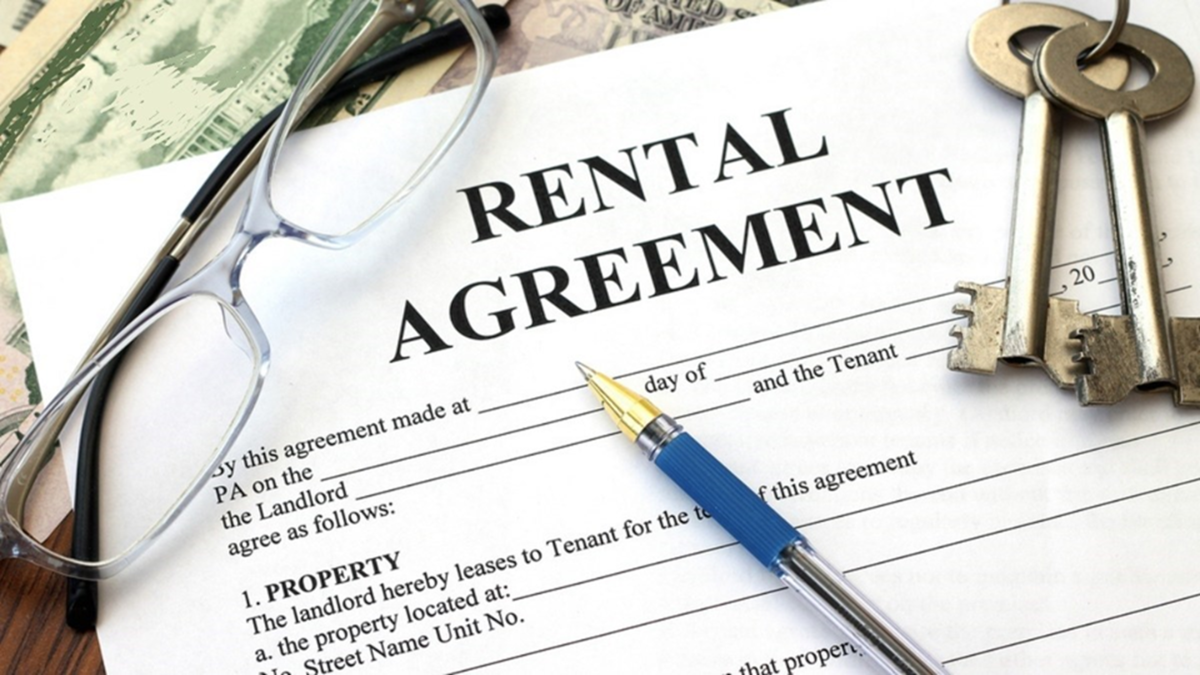
Hidden Clauses in Rent Agreements: Finding the perfect rental home in a city is no small challenge. After weeks of scouring online listings, viewing dozens of apartments, and engaging in lengthy discussions with landlords, a tenant breathes a sigh of relief upon finally finding a home that fits their budget. However, the trouble does not end there. Legal and real estate experts point out that this is precisely when most people make their biggest mistake.
Due to negligence or haste, tenants often sign agreements without reading the fine print. Experts warn that overlooking certain clauses can lead to future disputes regarding the refund of the security deposit, maintenance charges, and hefty penalties for vacating the property prematurely. While everyone focuses primarily on the rent amount, the real financial risks lie hidden within the agreement itself. Therefore, if you are planning to rent a new home, never sign the agreement without checking the three most critical clauses listed below.
**Security Deposit and Deduction Rules**
Disputes between landlords and tenants most frequently arise over the security deposit. In many major Indian cities, this deposit amounts to anywhere from two to six months' rent—or sometimes even more. Real estate experts advise tenants not to assume they will automatically receive their money back the moment they vacate the property. The agreement should clearly specify the timeframe within which the landlord must refund the deposit after the premises are vacated. Furthermore, the agreement should clearly distinguish between "normal wear and tear"—such as paint fading over time or minor aging of fixtures—and "actual damage," such as a broken window or cracked tiles. This ensures the landlord cannot make arbitrary deductions from the security deposit citing normal wear and tear.
**Lock-in Period and Exit Policy**
Circumstances do not always remain the same. You might change jobs, get transferred, or need to relocate to a different city for personal reasons. In such scenarios, your rent agreement needs to be flexible. Many tenants do not fully understand the concept of a "lock-in period." If your agreement includes a lock-in period of six months or a year, vacating the property before that term expires is considered a breach of contract. Consequently, you might be liable to pay the rent for the remaining months as a penalty. Discussions often overlook the "exit clause," which later becomes a major source of dispute. Therefore, the agreement should clearly specify the mandatory notice period for vacating the premises, the post-vacation inspection process, and the rules regarding penalties.
**Responsibility for Maintenance Charges**
Most tenants assume that the monthly rent is their only expense; however, maintenance charges in modern residential societies can be substantial. Consequently, the rent agreement should explicitly state whether the landlord or the tenant is responsible for paying the society's monthly maintenance charges. Leaving this ambiguous often leads to recurring monthly arguments. Furthermore, large, premium residential projects incur high maintenance costs for amenities such as private lobbies, parking areas, gyms, and swimming pools. It is, therefore, essential to have a written agreement regarding who will bear the cost of these additional facilities.
**Do Not Rely on Verbal Promises**
Landlords often make various verbal promises during negotiations—such as repainting the house, providing parking space, or guaranteeing a lease extension. However, legal experts emphasize that unless these promises are documented in the rent agreement, they hold no legal validity. In the event of a legal dispute or litigation, written clauses always take precedence. If you are leasing office space for a business, startup, or retail shop, pay special attention to three additional clauses—beyond the standard terms—regarding the annual rent escalation rate, common area maintenance, and expenses such as electricity and water.
Disclaimer: This content has been sourced and edited from NDTV India. While we have made modifications for clarity and presentation, the original content belongs to its respective authors and website. We do not claim ownership of the content.
