
Major update on plastic banknotes: trials could begin from April 2027; the size will remain unchanged..
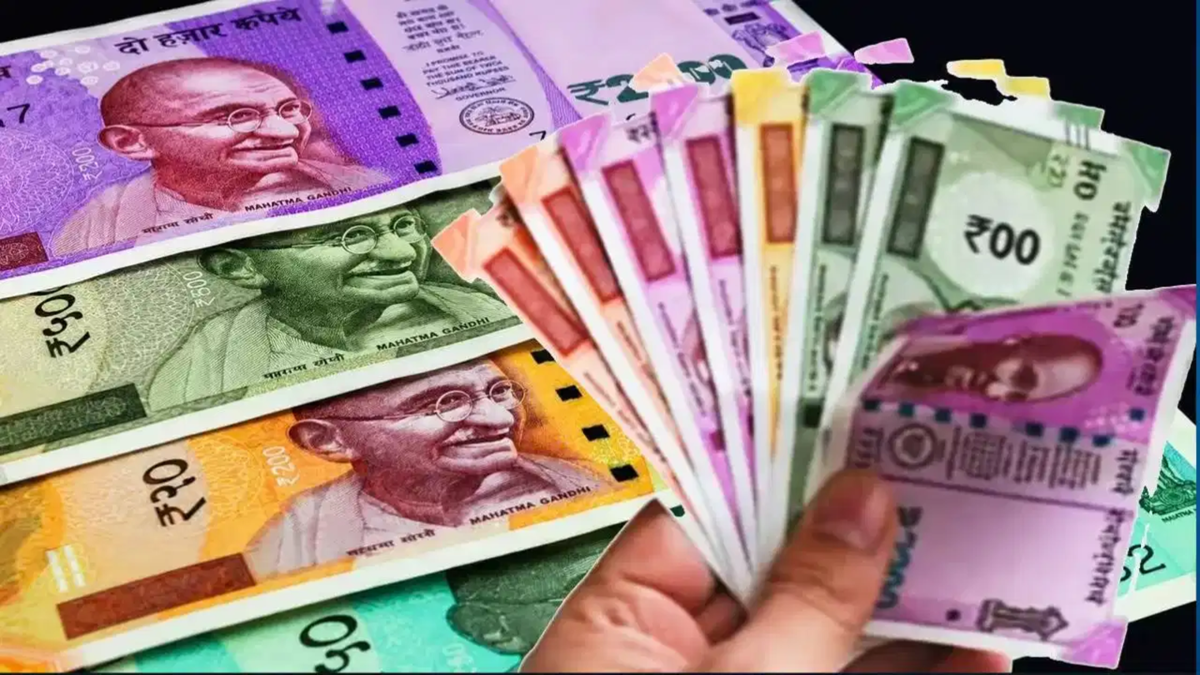
The Reserve Bank of India (RBI) may soon begin a trial of plastic currency notes in the ₹10 and ₹20 denominations, with the initiative expected to commence on April 1, 2027. Notably, the dimensions of these new notes are likely to remain the same as those of the existing paper currency. This would spare banks from incurring additional costs to modify their ATM infrastructure. Currently, ATMs dispense ₹100, ₹200, and ₹500 notes. The RBI’s decision is likely driven by the foresight that if ₹10 and ₹20 notes are eventually made available through ATMs, no further modifications to the machines will be required.
A report by Moneycontrol indicates that the RBI plans to maintain the current length and width of the notes to keep ATM-related expenditures to a minimum. Altering the dimensions of the notes would necessitate changes to the currency cassettes, sensors, and other technical components within the ATMs—a process that would require engineers to reconfigure the machines.
Potential Cost Savings for the Government
According to a senior official at a public sector bank, retaining the existing dimensions will save banks from high upfront costs. In the past, the introduction of new ₹100 and ₹200 notes required modifications to approximately 2.4 lakh ATMs across the country, an exercise that cost the ATM industry nearly ₹100 crore.
An official estimates that for a bank operating 8,500 ATMs, maintaining the current note dimensions could result in savings of approximately ₹21.25 crore in initial expenditure. During the preliminary trial phase, the plastic notes could be issued over the counter at bank branches, thereby deferring the need for any ATM modifications.
6 Companies Bid to Produce Plastic Banknotes.
The Reserve Bank of India’s subsidiary, Bharatiya Reserve Bank Note Mudran Private Limited (BRBNMPL), has issued a tender for this project, for which six companies have submitted bids. Among them is the Indian firm Uflex, which has partnered with the American company Spectra Systems. The tender involves the procurement of 68,000 reams of specialized plastic sheets for ₹10 and ₹20 banknotes. This material will consist of a specific type of polypropylene (BOPP) and must feature a coating that ensures high-quality printing and proper ink adhesion. Furthermore, the material must be free from any animal-derived fats or associated DNA.
Plastic Banknotes to Last 4 Times Longer
In August, RBI Governor Sanjay Malhotra stated that plastic banknotes could last two to four times longer than conventional paper currency. However, before they are issued on a large scale, they will undergo testing under India’s specific climatic conditions and usage patterns. The government has approved a field trial for one billion plastic banknotes each of the ₹10 and ₹20 denominations. Plastic currency is already in use in countries such as Australia, the United Kingdom, Canada, New Zealand, and Singapore. Australia was the first nation to introduce plastic currency, back in 1988.
Disclaimer: This content has been sourced and edited from TV9. While we have made modifications for clarity and presentation, the original content belongs to its respective authors and website. We do not claim ownership of the content.
