
Major Government Decision on Petrol and Diesel: Sudden Late-Night Adjustment to Windfall Tax
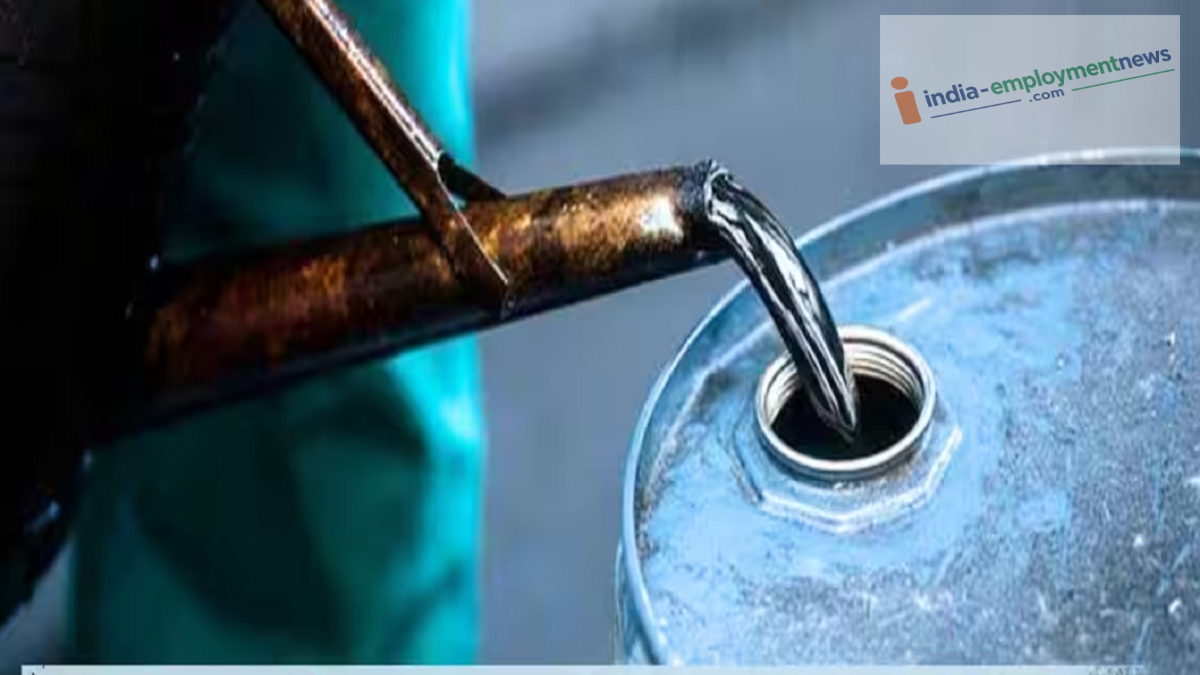
The government has increased the windfall tax on petrol while reducing it on diesel. This change does not affect the retail prices of petrol and diesel within the country, so there is no cause for concern for the general public.
In a significant move late Thursday night, the central government adjusted the windfall tax on petrol and diesel. The tax on the export of petrol has been raised from ₹0.50 per litre to ₹2.50 per litre—a fivefold increase.
Conversely, the tax on the export of diesel has been reduced from ₹16 per litre to ₹8.50 per litre, marking a cut of ₹7.50 per litre. These new rates came into effect on Friday, October 16, 2026.
The Central Board of Indirect Taxes and Customs (CBIC) stated that the windfall tax on Aviation Turbine Fuel (ATF) will remain unchanged. The government has also made no alterations to the existing duty rates applicable to petrol and diesel sold for domestic consumption.
Why does the government impose a windfall tax?
The government reviews the windfall tax every 15 days, taking into account fluctuations in the international prices of crude oil and petroleum products.
A windfall tax on petroleum exports was first introduced in India in July 2022 and was subsequently removed two years later. According to a Reuters report, the government reinstated the tax in March 2026 following a sharp surge in crude oil prices amid conflicts involving Iran, the United States, and Israel. The government imposes a windfall tax to prevent oil companies—driven by the prospect of higher profits in the international market—from selling the country's entire fuel supply abroad. By increasing the windfall tax on exports, the government ensures that there is no fuel shortage within the country.
