
Major Car Company to Cut 50,000 Jobs and Close Large Plants
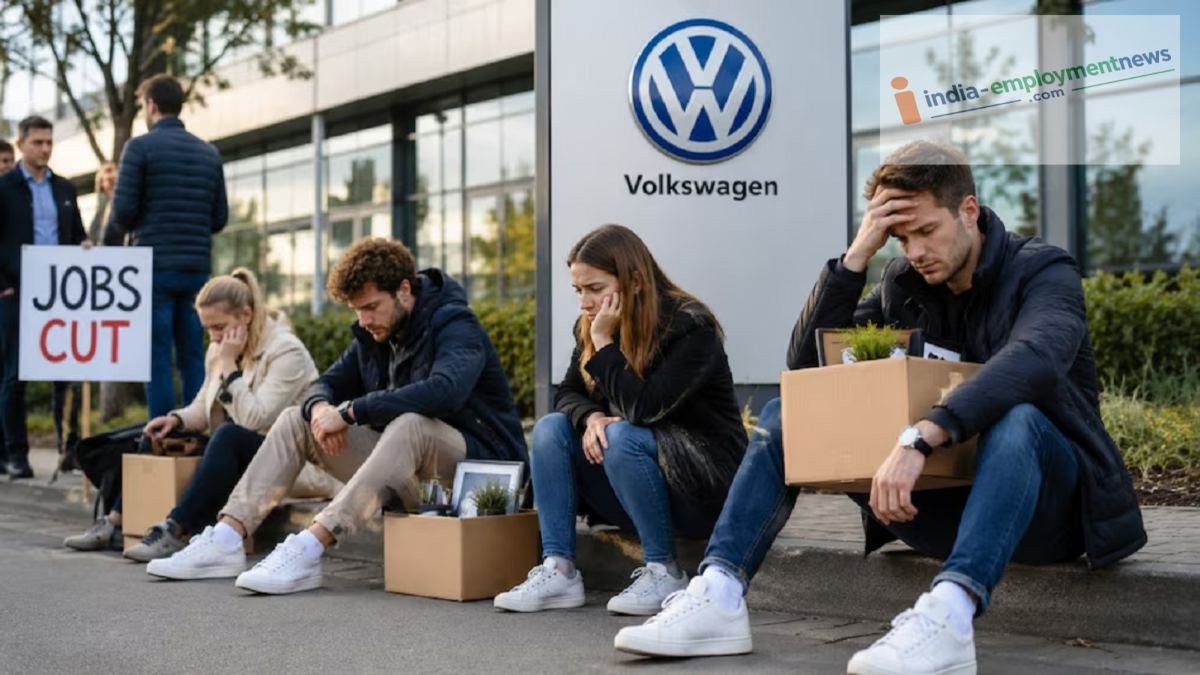
Volkswagen has approved plans to cut 50,000 jobs and close four major plants in Germany. Find out why the company made such a significant decision and the reasons behind it.
Volkswagen, one of the world's leading car manufacturers, has approved a major cost-cutting plan. The company's board has sanctioned a plan to cut approximately 50,000 jobs. Additionally, there are plans to halt vehicle production at four major plants in Germany. This means a total of 100,000 positions will be eliminated under the company's current restructuring.
Why was such a major decision taken?
Volkswagen is currently grappling with various challenges. It faces stiff competition, particularly in the Chinese market, from manufacturers of low-cost cars. Furthermore, US-imposed tariffs and excess production capacity in Europe are adding to the company's difficulties. Amidst these challenges, the company has taken this major decision to reduce costs and expand its business operations.
Four German plants at risk
The company's new plan involves halting vehicle production at four German plants: Emden, Zwickau, Hanover, and Neckarsulm. Volkswagen also intends to reduce its production capacity in Europe.
Reduction in car models
Alongside changes to jobs and plants, the company is preparing to trim its model lineup. Volkswagen plans to cut the number of its car models by nearly half. The objective is to focus on fewer, high-selling models and reduce production costs.
This plan is considered one of the most significant transformations in Volkswagen's history. Under this new strategy, the company aims to cut costs, enhance production efficiency, and strengthen its position in the evolving global automotive market.
When were layoffs implemented previously?
This is not the first time Volkswagen has decided to cut jobs on a large scale; the company had previously agreed to reduce its workforce by 50,000. With the addition of another 50,000 cuts, the total number of job losses under the restructuring plan could reach 100,000. This move reflects the rapidly changing landscape of the automotive industry, where major car manufacturers are facing mounting pressure from challenges such as rising competition from Chinese companies, declining demand, tariffs, and excess production capacity.
