
Majhi Ladki Bahin Yojana Update: E-KYC Errors to Be Fixed Through Physical Verification for Beneficiaries
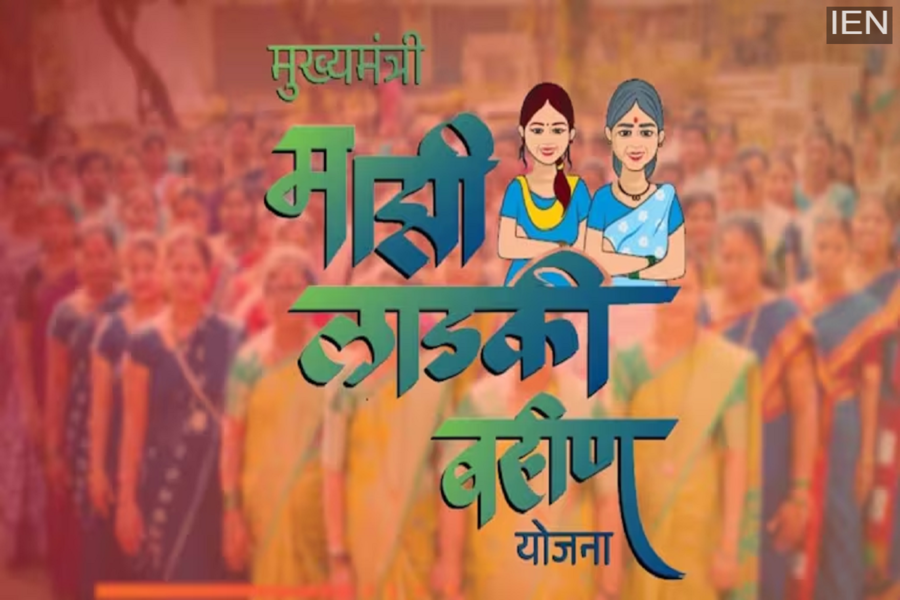
The Maharashtra government has announced a major relief for beneficiaries of the Mukhyamantri Majhi Ladki Bahin Yojana, especially women who faced difficulties due to errors in the e-KYC process. The decision comes after thousands of eligible women were unable to receive benefits because of technical glitches or incorrect option selection during online verification.
Launched to promote women’s financial empowerment and nutritional security, the Majhi Ladki Bahin Yojana provides ₹1,500 per month as direct financial assistance to eligible women aged 21 to 65 years. The amount is transferred directly to beneficiaries’ bank accounts, helping low-income families manage essential household expenses. However, despite its good intentions, the digital e-KYC requirement became a major hurdle for many women, particularly in rural areas.
Why E-KYC Became a Problem for Beneficiaries
In recent months, several beneficiaries reported that their payments were stopped or delayed due to errors during e-KYC verification. Many women, unfamiliar with digital platforms, accidentally selected the wrong options or were unable to complete the process correctly. As a result, their applications were marked incomplete or invalid, even though they met all eligibility criteria.
The issue was more pronounced among rural and economically weaker households, where access to smartphones, internet connectivity, and digital literacy is limited. For many beneficiaries, the fear of losing monthly assistance created anxiety and uncertainty.
Government Introduces Physical Verification as a Solution
Acknowledging these challenges, Women and Child Development Minister Aditi Tatkare announced that the government will now allow physical verification for beneficiaries facing e-KYC-related issues. District collectors across Maharashtra have been instructed to conduct local-level verification with the help of Anganwadi workers.
Under this new arrangement, Anganwadi workers will visit beneficiaries’ homes, verify their documents, and correct errors in records. This step ensures that no eligible woman is denied benefits solely due to technical or digital limitations.
The minister shared the update through a post on social media platform X, directing officials to begin physical checks immediately. The move has been widely welcomed as a people-centric decision that prioritizes inclusion over rigid digital procedures.
E-KYC Deadline Remains, but With Added Support
The state government has clarified that the e-KYC deadline remains December 31, 2025. However, women who are unable to complete the online process due to genuine difficulties will now have an alternative path through physical verification.
This support is especially important for families with an annual income below ₹2.5 lakh and for women who are not benefiting from similar government schemes. The physical verification process acts as a safety net, ensuring that deserving beneficiaries are not excluded due to procedural errors.
Focus on Transparency, Health, and Empowerment
The Majhi Ladki Bahin Yojana is designed not just as a financial aid program, but as a broader initiative aimed at improving women’s health, nutrition, and social security. By ensuring accurate beneficiary data through physical verification, the government aims to strengthen transparency and improve the overall implementation of the scheme.
There is also ongoing discussion about the possibility of a double installment of ₹3,000 in 2026, which has further increased the importance of maintaining correct e-KYC status. Beneficiaries are advised to regularly check their application details and updates on the official portal ladakibahin.maharashtra.gov.in.
A Ray of Hope for Rural Women
For many rural women, this decision has restored confidence in the system. Imagine a woman applying for government assistance for the first time, unfamiliar with digital forms and online verification. A single mistake during e-KYC could have cost her vital monthly support. The introduction of physical verification now offers reassurance that the government understands her challenges and stands by her side.
Conclusion
The Maharashtra government’s decision to allow physical verification for e-KYC errors under the Majhi Ladki Bahin Yojana is a significant step toward inclusive governance. By involving Anganwadi workers and district administrations, the state has ensured that technology does not become a barrier to welfare.
This move is expected to benefit lakhs of women across Maharashtra, prevent wrongful exclusions, and reinforce trust in government welfare schemes. More importantly, it sends a strong message that women’s rights, voices, and welfare remain a priority—both online and on the ground.
