
LPG Update: New Rule Implemented for LPG Cylinders! Now, You Will Have to Manage with Just One Gas Connection..
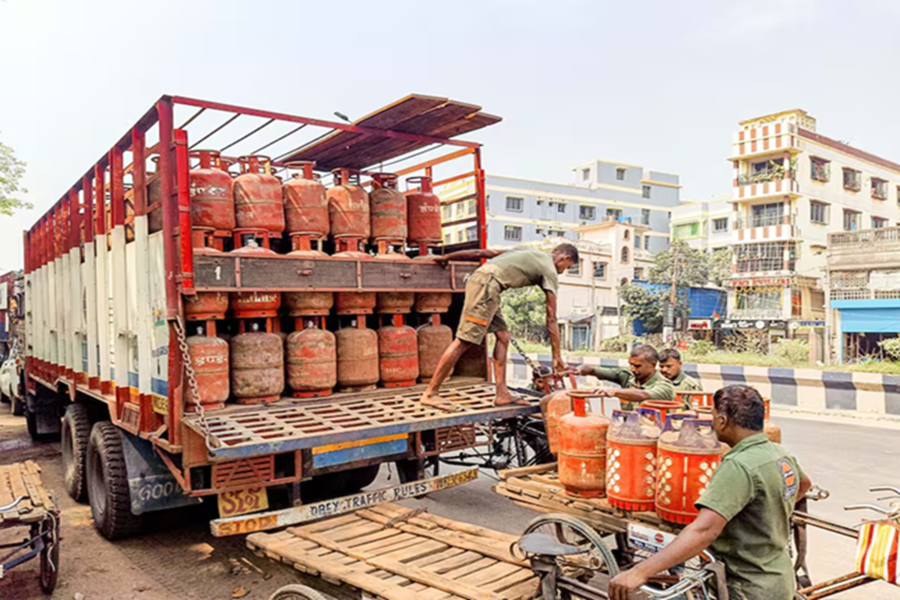
Do you have both an LPG cylinder and a PNG connection in your home? The government is now strictly enforcing a "one household, one connection" rule. Gas supplies have been impacted due to the global energy crisis and tensions in West Asia. Consequently, maintaining dual connections is now being deemed a violation of regulations. Here is what this new rule means for you and why the government has taken this step.
Many households possess both types of gas connections—namely, PNG and LPG. If this is the case in your home as well, you could soon come under scrutiny. According to reports from Delhi, authorities are currently identifying households that are simultaneously utilizing both connections. The objective behind this initiative is to curb black marketing and ensure that subsidies reach the intended beneficiaries.
Issuing strict directives, the government has stated that households equipped with a Piped Natural Gas (PNG) connection will no longer be permitted to retain a subsidized domestic LPG cylinder. On March 14, the Ministry of Petroleum and Natural Gas amended the regulations under the Essential Commodities Act. As per the new rule, if you already hold a PNG connection, you are required to surrender your LPG connection. This measure has been implemented to mitigate the demand for LPG—amidst the global energy crisis—and to promote the usage of PNG.
In the Varanasi district as well, thousands of households will be required to surrender their LPG connections following the implementation of the PNG distribution system. The administration has issued clear instructions stating that in areas where PNG supply has commenced through GAIL (City Gas Distribution), retaining an LPG connection will be considered a violation of regulations; consumers have been granted a grace period of three months to comply.
The new rule applies not only to consumers but also to oil companies and gas distributors. They have been directed to refrain from issuing new LPG connections or providing cylinder refills to households that already possess a PNG connection. According to Joint Secretary Sujata Sharma, the government is currently assessing the number of households across the country that are utilizing both types of connections.
So far, more than 43,000 consumers have voluntarily come forward to surrender their LPG connections, having switched to Piped Natural Gas (PNG); however, the government believes that the actual number of such households could be significantly higher. Consequently, data analytics are now being utilized to identify those individuals who, despite having availed themselves of PNG services, have not yet surrendered their LPG connections. Action may also be initiated against those found to be non-compliant with the regulations.
The government's primary objective is to prioritize the allocation of LPG to households that currently lack access to piped gas facilities. India meets a substantial portion of its energy requirements through imports—specifically, approximately 88% of its crude oil, 50% of its natural gas, and 60% of its LPG. Supply chains are currently being disrupted due to geopolitical tensions in the Middle East.
A major share of India's LPG supply (approximately 85–90%) originates from nations such as Saudi Arabia and the UAE. Recent tensions between Iran and Israel have disrupted several supply routes—most notably the Strait of Hormuz, a critical maritime passage through which vast quantities of fuel are transported. While India has largely managed to mitigate the shortfall in crude oil supplies by increasing purchases from nations like Russia, the supply of natural gas remains a matter of concern. It is for this reason that the government has, for the time being, imposed a moratorium on the issuance of new LPG connections.
The gas shortage is not confined solely to the domestic sector; commercial establishments—such as hotels and restaurants—are also grappling with cuts in their LPG supplies. Furthermore, gas availability has been adversely affected across numerous industrial units, which are now facing similar operational challenges.
Disclaimer: This content has been sourced and edited from News18 Hindi. While we have made modifications for clarity and presentation, the original content belongs to its respective authors and website. We do not claim ownership of the content.
